
Societal Relevance
The laboratory actively contributes to the development of that supports food security, the protection of natural resources, and the competitiveness of Czech fisheries.
In cooperation with Rybářství Hodonín s.r.o., Rybářství Nové Hrady s.r.o., and AGRICO s.r.o., the laboratory develops and tests technologies for overwintering common carp fry in recirculating and biofloc systems, currently also evaluated in terms of economic efficiency and operational reliability.
Collaboration with technology companies such as Ozontech s.r.o. and SWECO a.s. leads to innovations with direct environmental benefits—for example, the application of ozone nanobubbles to improve fish hygiene and welfare, or the integration of satellite-based phosphorus monitoring into water ecosystem management.
In the field of fish nutrition, the laboratory cooperates with leading global feed and additive producers, including Adisseo, Lucta, Unibio, ReThink Resources, EniferBio, NaturAleva, and Kidemis in the development and testing of alternative and functional feeds based on insect, microbial, and mycelial sources. These activities contribute to reducing dependence on fishmeal, strengthening the circular bioeconomy, and promoting healthier and more resilient fish.
In cooperation with Rybářství Srlín s.r.o., a method for the mass production of stocking material of the endangered crucian carp (Carassius carassius) was developed and successfully implemented.
The laboratory also provides consultancy services to fish farmers in the preparation of development plans, solving technological challenges, and implementing recirculating aquaculture systems. An important component of its mission is public outreach, including seminars, open days, excursions, public lectures, and exhibitions that present modern aquaculture to both professional and general audiences.
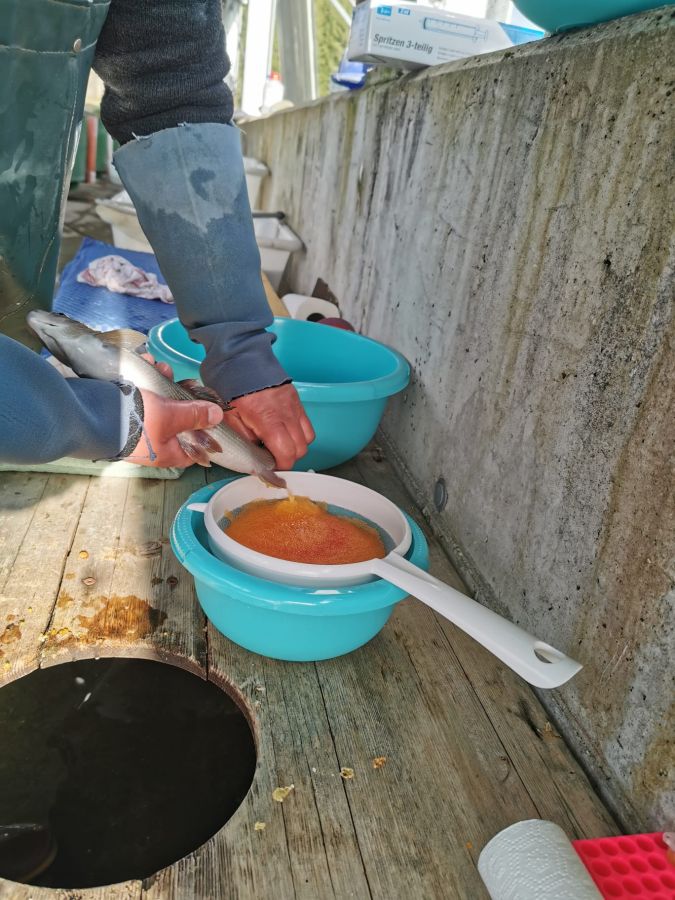
The laboratory is also involved in biodiversity conservation, for example in cooperation with National park Šumava, where it contributes to the protection of populations of the Eurasian minnow (Phoxinus phoxinus) and studies the impact of climate change on its reproduction and gamete quality. Furthermore, the laboratory collaborates with state authorities responsible for fisheries and nature conservation in assessing fish production in the Czech Republic, monitoring and improving water quality, and preventing the spread of undesirable fish species.