

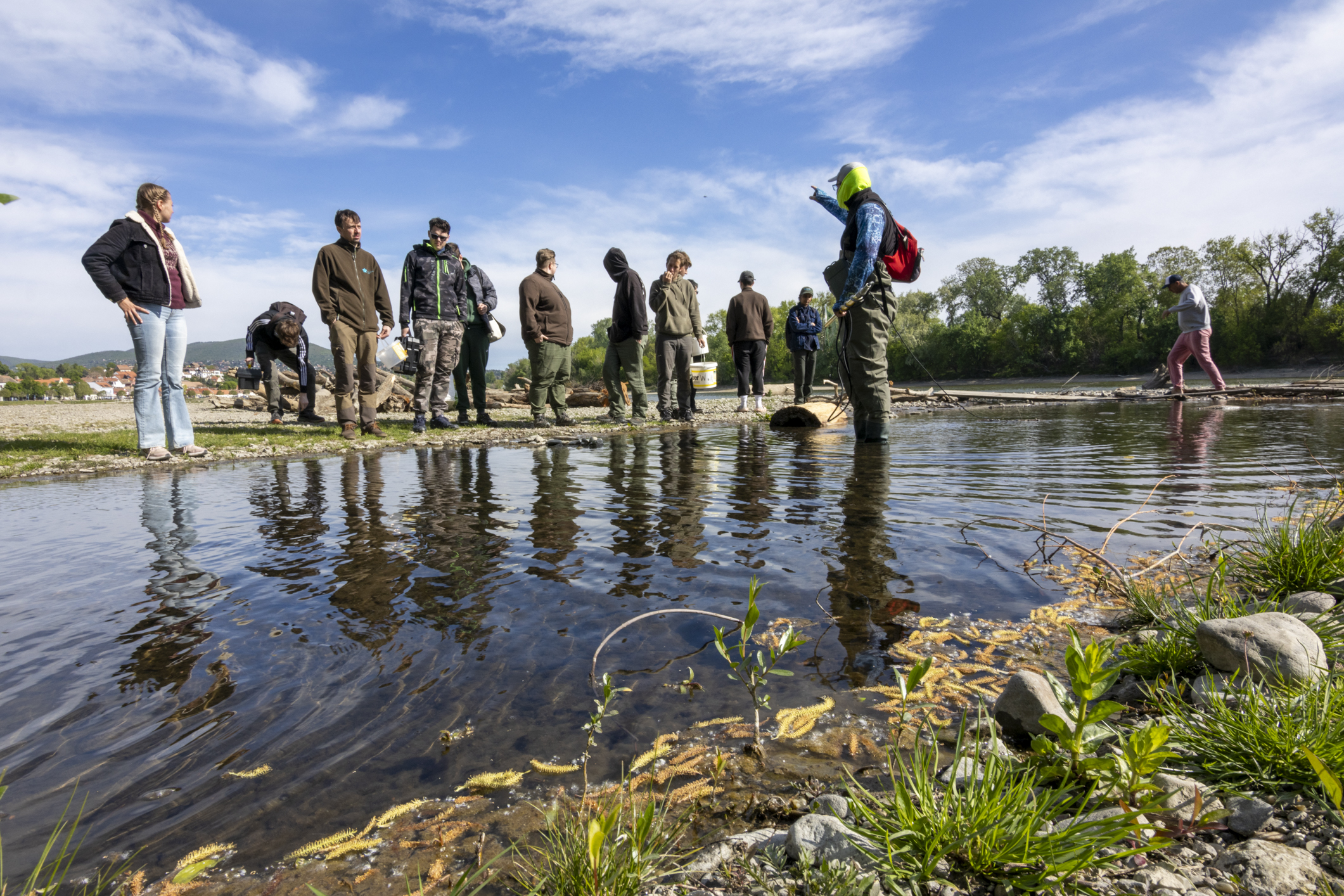
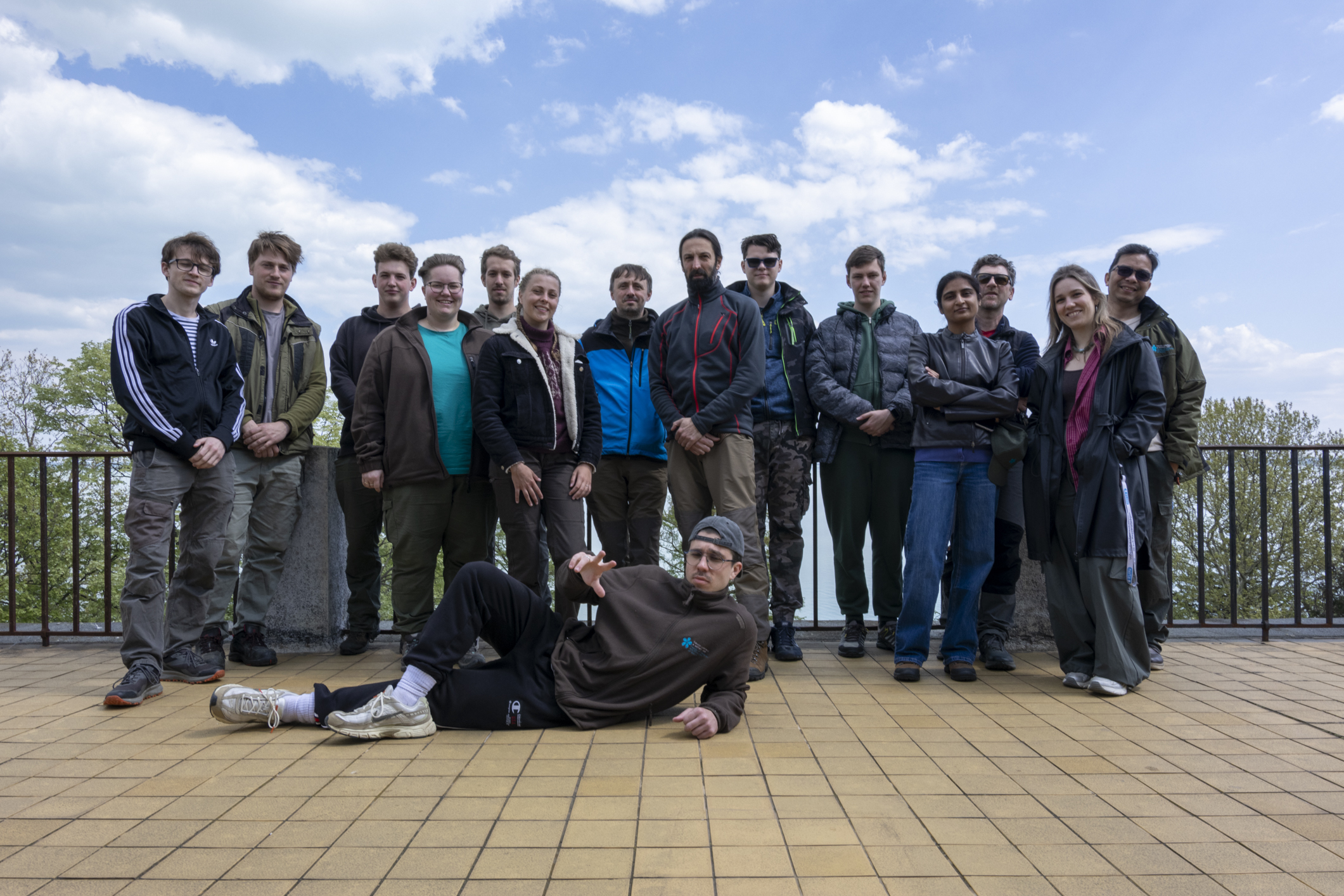
From April 20 to 24, 2026, students enrolled in the courses Applied Hydrobiology I, Ecology of Non-native Aquatic Organisms, and Biological Invasions in Freshwater Ecosystems took part in a field excursion focused on exploring unique freshwater ecosystems and aquatic communities in Austria and, in particular, Hungary.
The excursion began at the Biological Station of Lake Neusiedl in Illmitz, Austria, which lies within a UNESCO World Heritage Site. Here, Gilbert Hafner provided an insightful introduction to the history and current condition of the lake, followed by a guided tour through extensive reed beds and saline marshes. These habitats were teeming with diverse bird, plant, and invertebrate life. However, a major concern at this unique site is the recent spread of the invasive marbled crayfish.
Our next destination was Lake Balaton, the largest lake in Central Europe. On its shores, we visited the town of Keszthely and the constructed wetland system of Kis-Balaton. This system plays a crucial role in reducing nutrient loads and other pollutants discharged by the River Zala, the lake’s main inflow, thereby helping to mitigate eutrophication in Lake Balaton. During our visit, we observed several wetland bird species, including the pygmy cormorant, little egret, and little grebe.
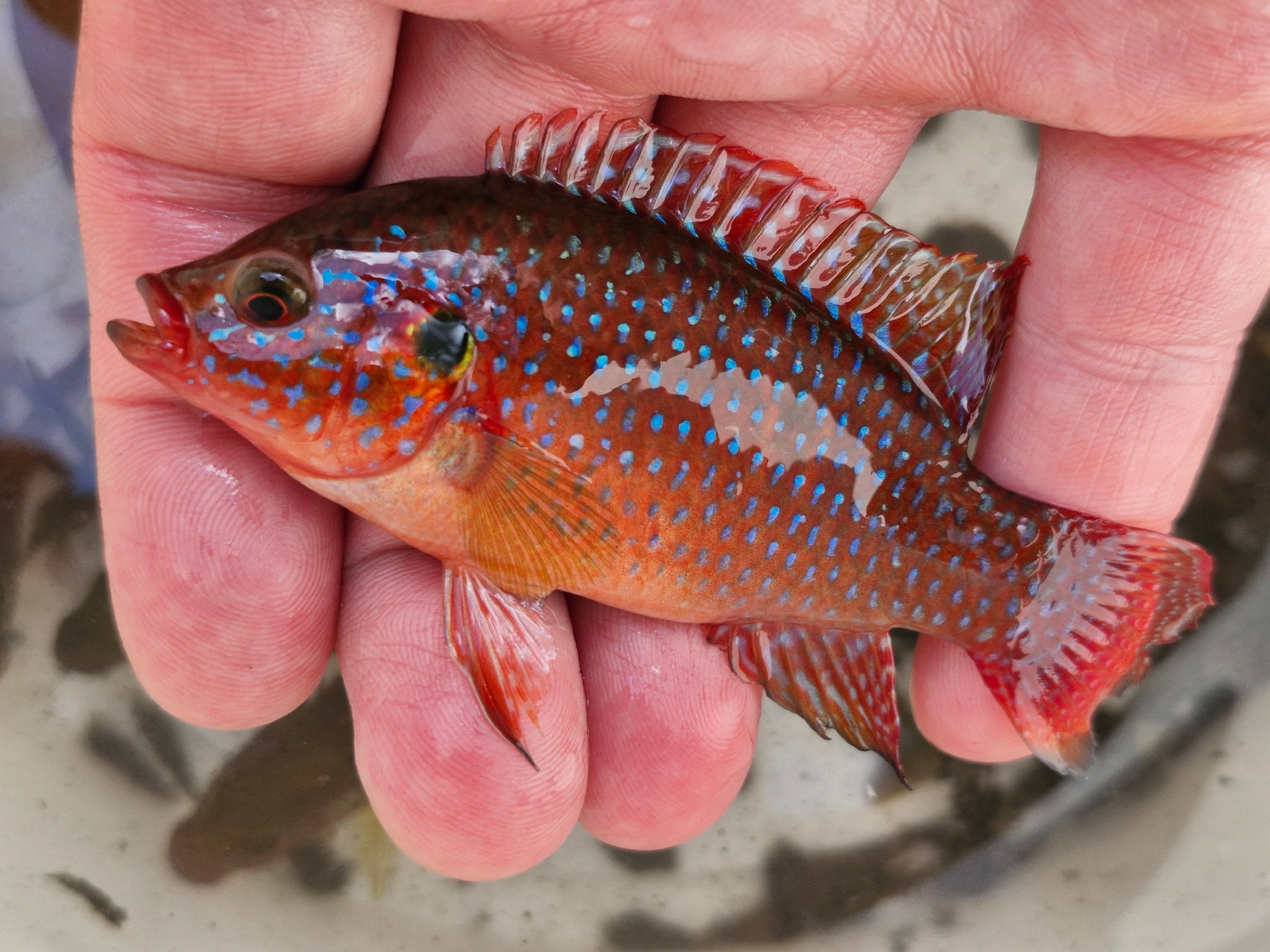
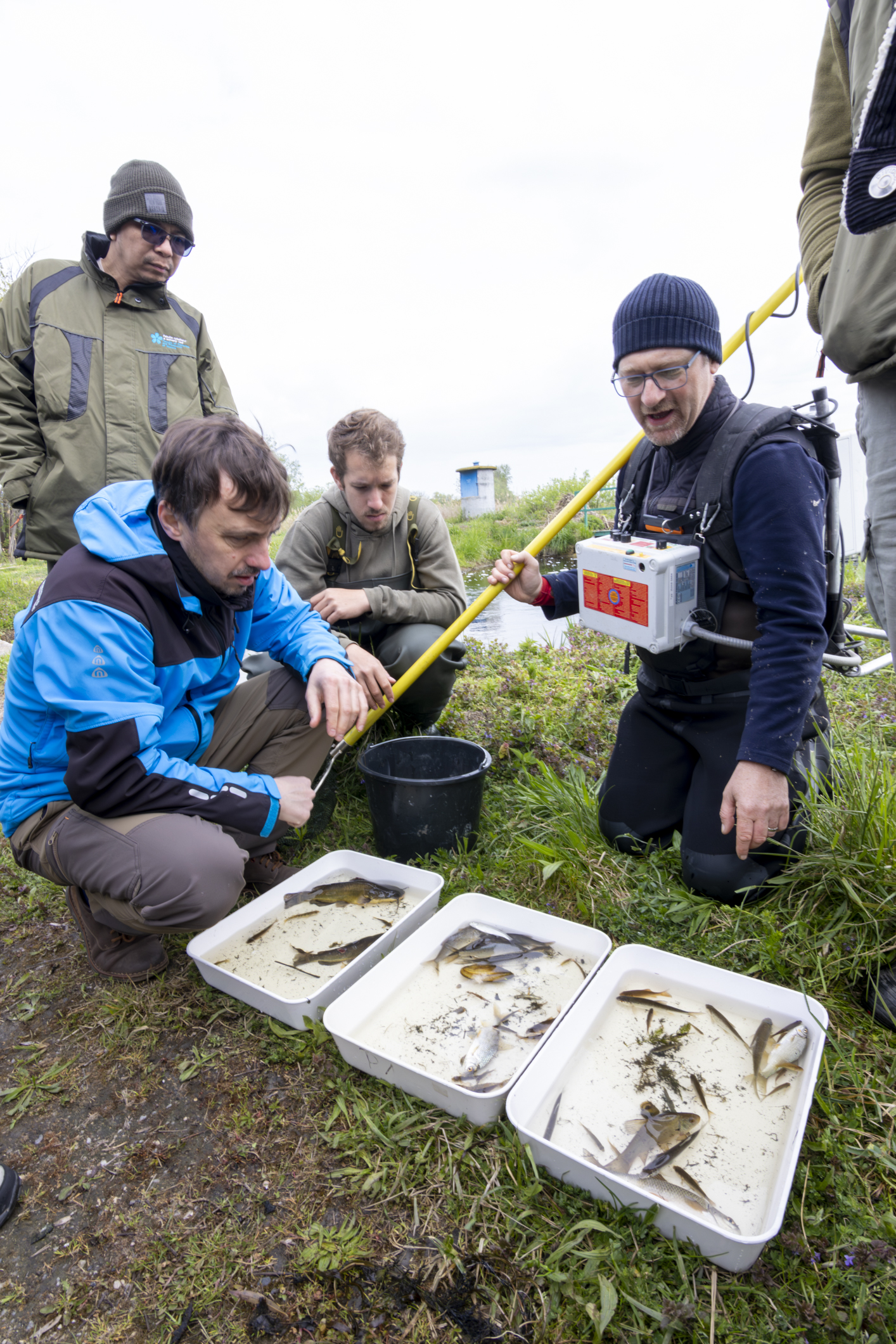
An important stop on the excursion was Lake Hévíz, a thermal lake located in the town of the same name and known as the largest swimmable thermal lake in the world. Unfortunately, the unique conditions of the lake also make it highly attractive for the release of aquarium species. In addition to the existing population of dwarf carp, we recorded the presence of catfishes, pumpkinseeds, eastern mosquitofish, various livebearers, cichlids, African jewelfish, and even snakeheads. The invasive marbled crayfish was also found at this site. At the lake’s outflow, we had the opportunity to capture several of these species ourselves.
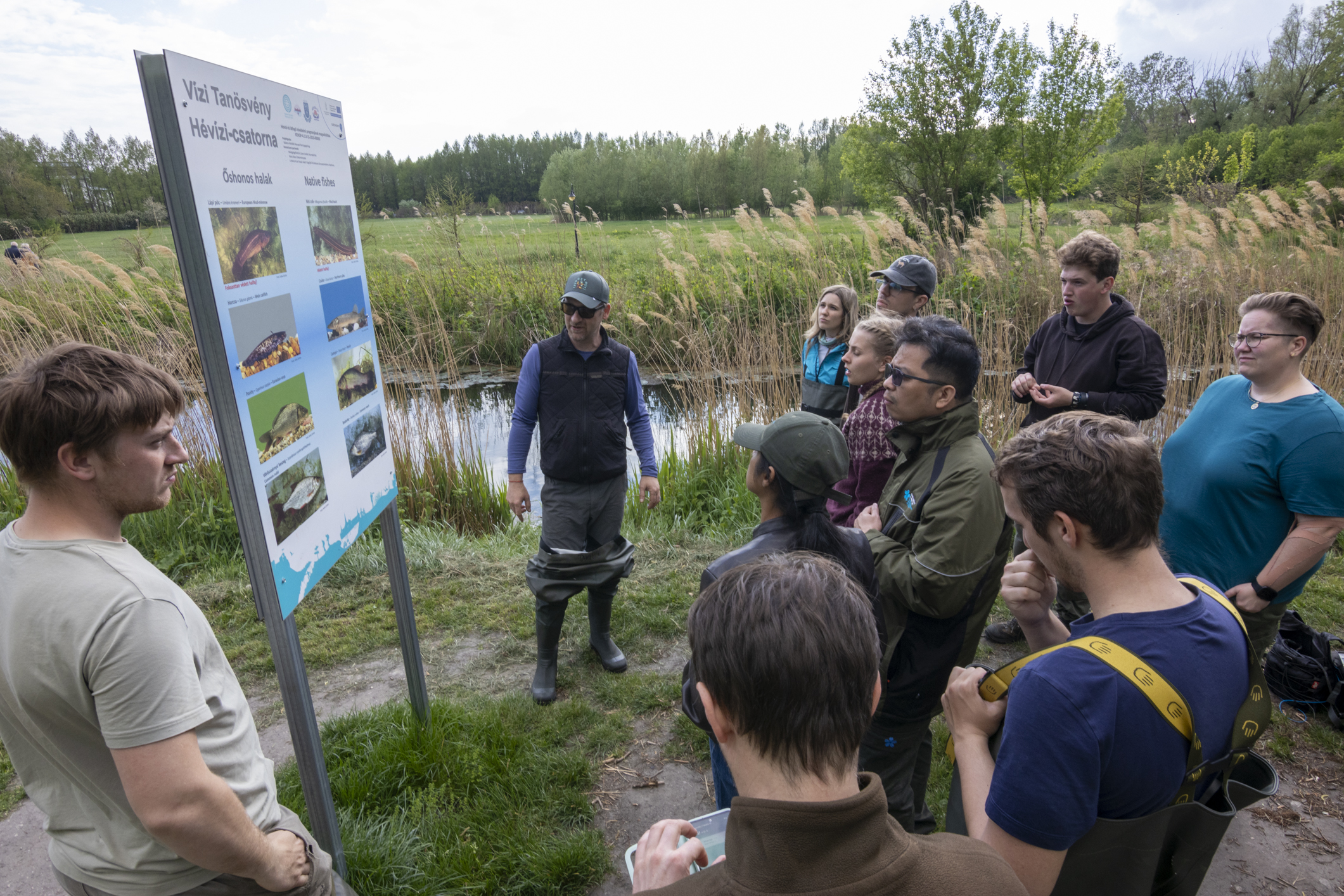
In a nearby tributary of Lake Balaton, we had the chance to observe the endangered European mudminnow together with several other fish. This was followed by a visit to the Balaton Limnological Research Institute in Tihany, where we attended engaging lectures given by Péter Takács (who also guided us around Lake Balaton), as well as by Blanka Gál and Bálint Preiszner.
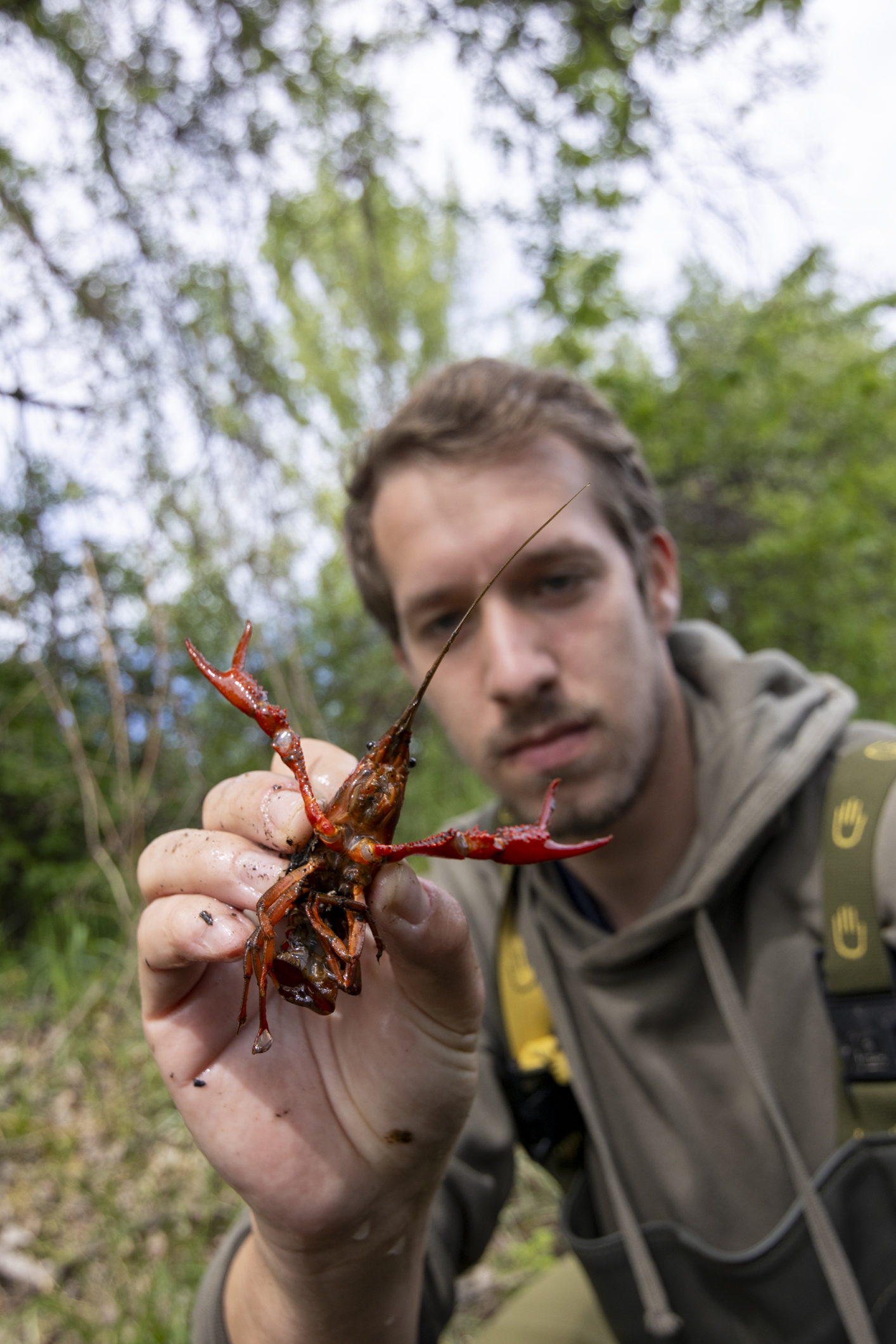
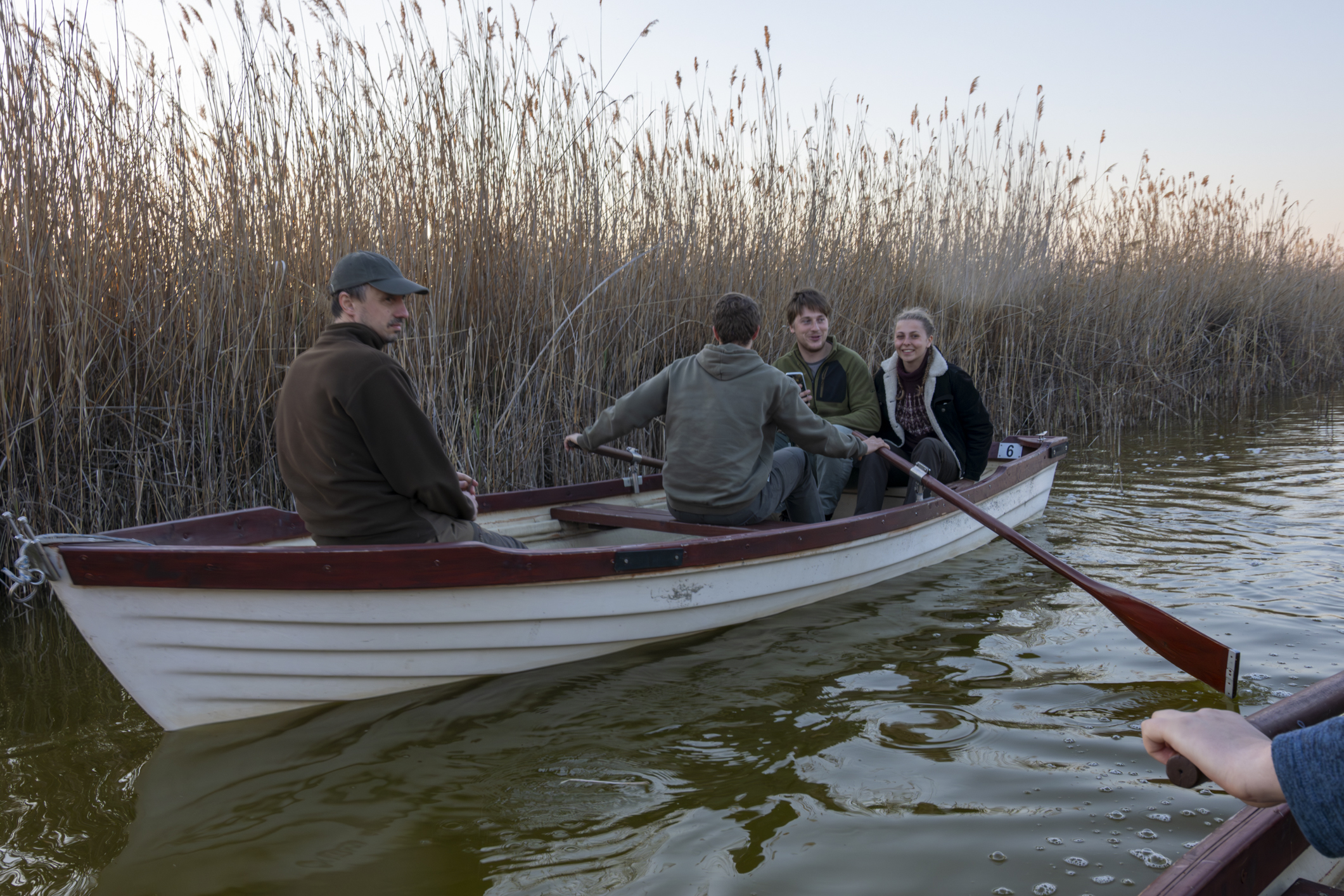
At the institute, we also met András Weiperth for the first time. He later introduced us to several sites hosting populations of the invasive red swamp crayfish, including a park in the town of Pétfürdő and a tributary of Lake Velence in Gárdony. After retrieving crayfish traps that had been set previously, we went out onto the lake and concluded the day with a boat trip among its reed islands. Once again, we were able to observe numerous waterbird species, such as the little egret, red-crested pochard, and bearded reedling.
The following day, we travelled to Budapest to visit additional sites. Our first stop was the confluence of the Bükkös Stream with the Danube River. This relatively well-preserved stream serves as an important refugium for many fish species. We then moved on to a thermal tributary of the Barát Stream, where we focused on crayfish sampling. We successfully captured both red swamp crayfish and marbled crayfish. In the past, spiny-cheek crayfish and Australian redclaw had
also been present at this site, but they were unable to withstand competition from the more dominant invasive species.
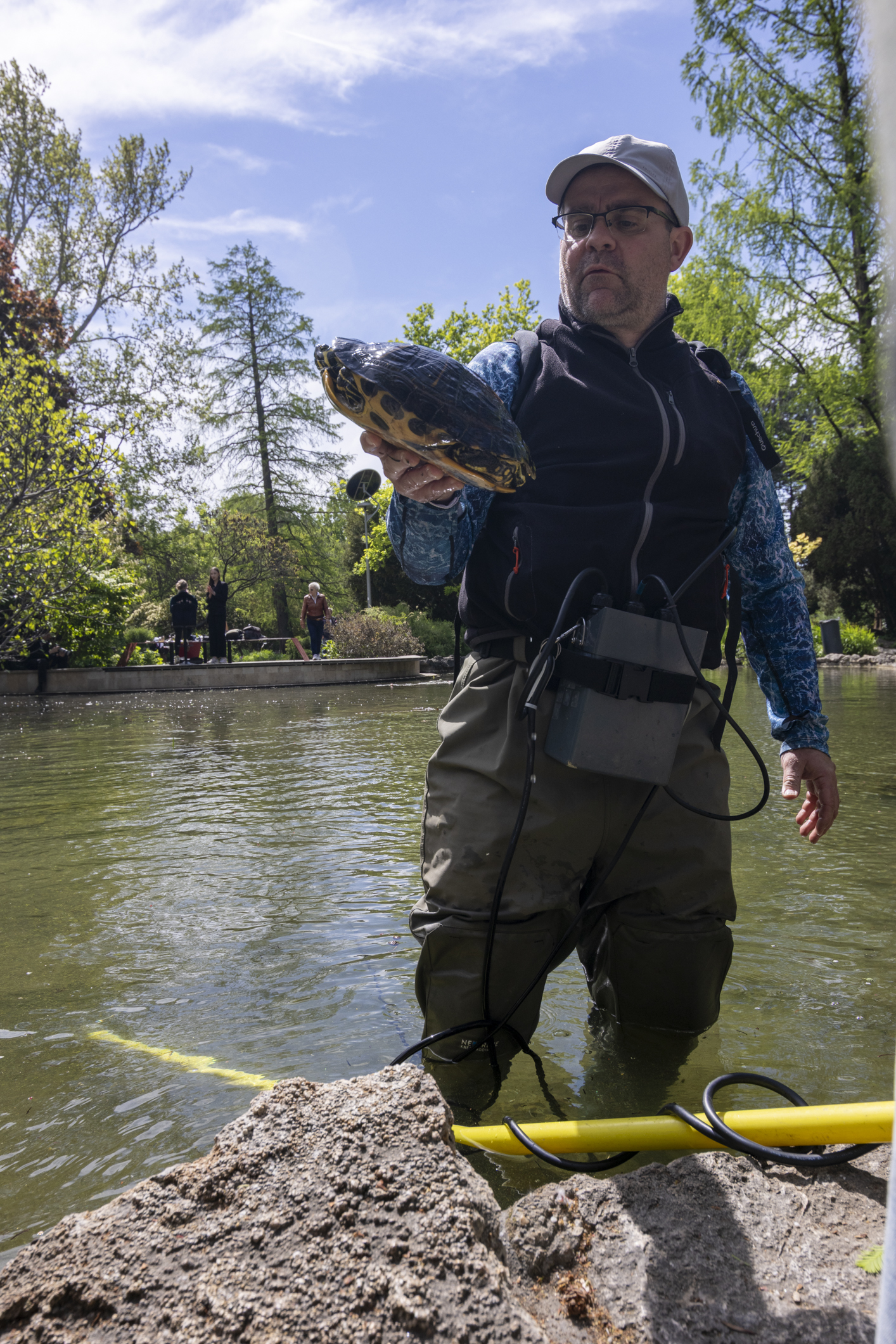
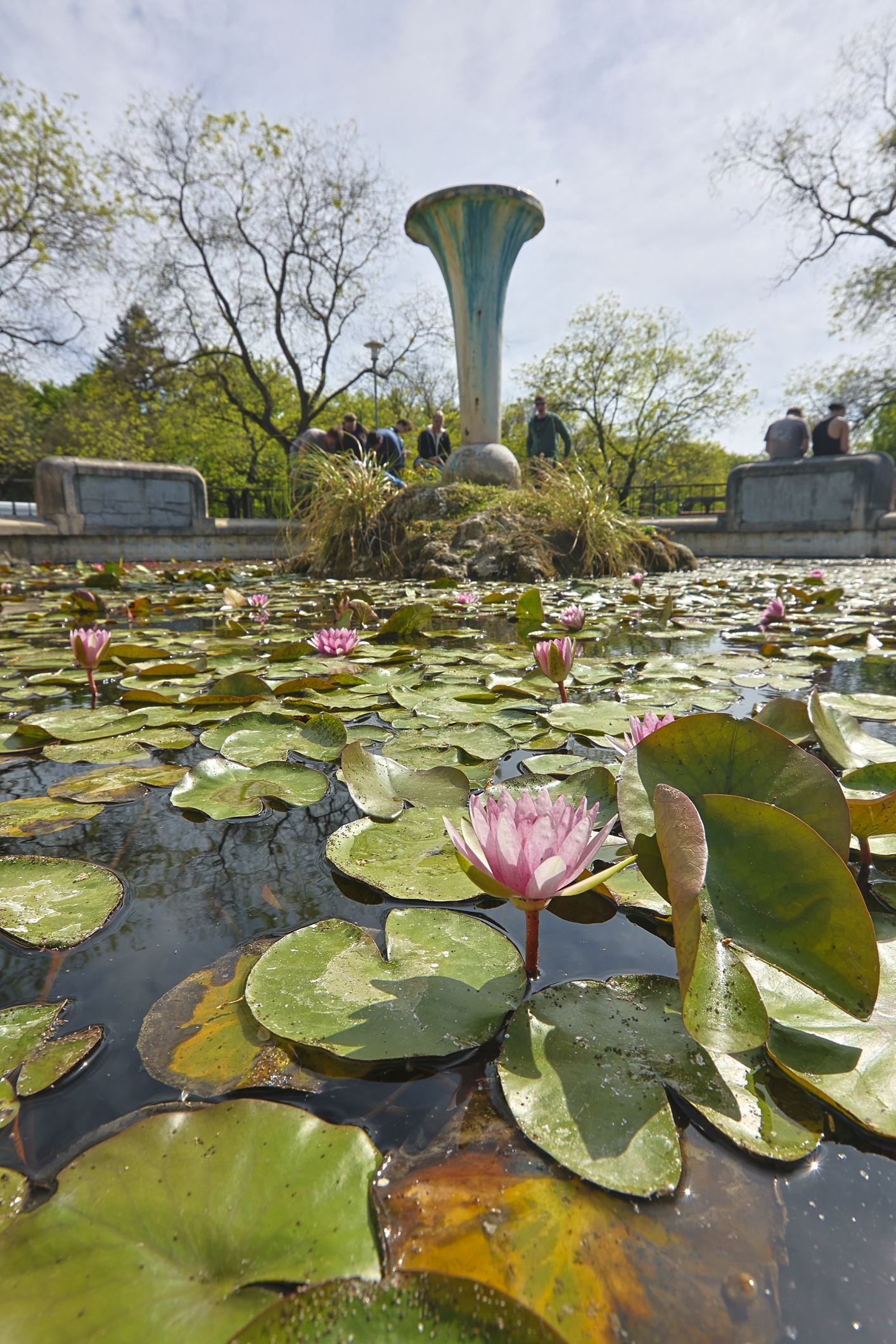
In the city centre, on Margaret Island, we confirmed the presence of marbled crayfish, red cherry shrimp, and pond sliders. Our penultimate stop was Városliget Park, where we captured several species of aquarium fish and marbled crayfish from a thermal lake and its surroundings. This site is also known for its remarkable diversity of non-native turtles and for hosting more than half a dozen crayfish species originating from North America and New Guinea.
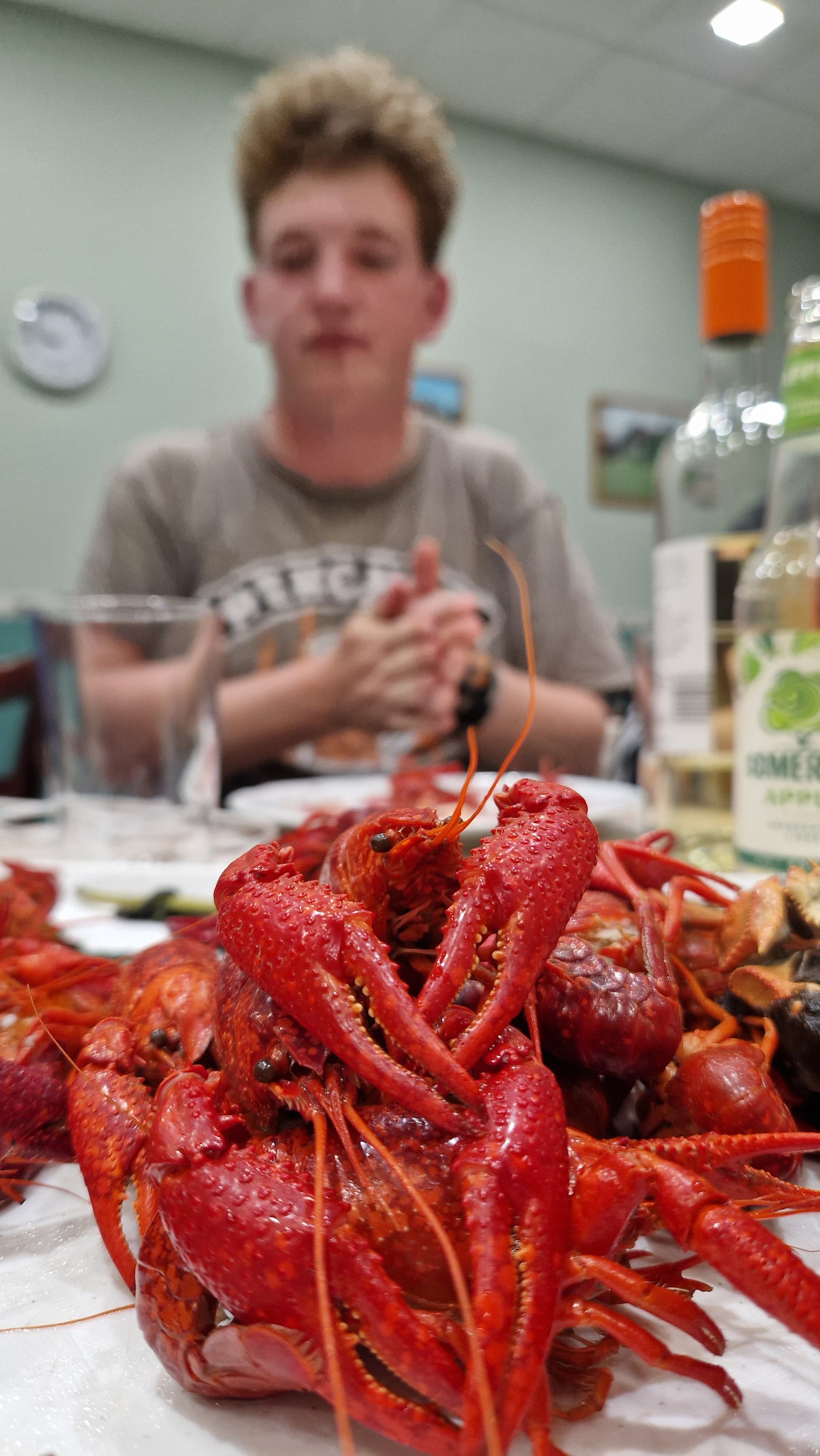
The final part of the excursion was dedicated to visiting an Asian market, where we were introduced to the issue of non-native species being introduced through the trade of live organisms intended primarily for consumption. We observed a wide variety of marine and freshwater animals, including European eel and several crab species, some of which have already been recorded in the wild in the Budapest section of the Danube River. We purchased several blue crabs and river crabs, which, together with the crayfish we had caught, were prepared and enjoyed during a modest celebratory dinner marking the end of the excursion.
Overall, this unique field excursion was highly informative and engaging, and we, as students, thoroughly enjoyed the opportunity to gain hands-on experience with freshwater ecosystems and biological invasions.
Written by: Lukáš Bartásek


