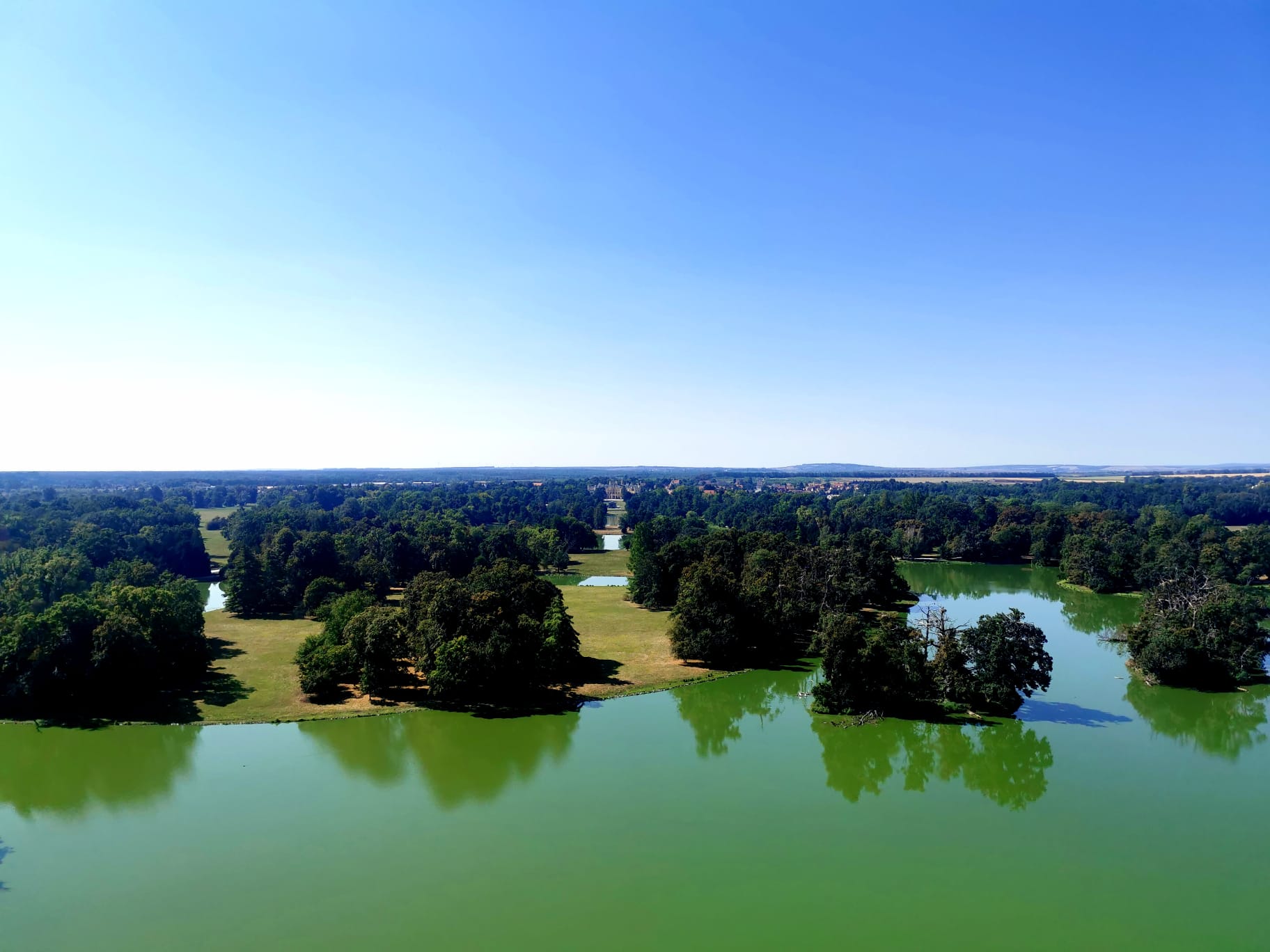

Algae may appear peaceful, or even beautiful, but some conceal a powerful chemical arsenal. Under the right conditions, microscopic algae can release toxins potent enough to paralyze fish, poison pets and livestock, shut down fisheries, and contaminate drinking water. As climate change and nutrient pollution accelerate, these events known as harmful algal blooms are spreading across lakes, rivers, and oceans worldwide. They are becoming more frequent, more intense, and increasingly impossible to ignore.
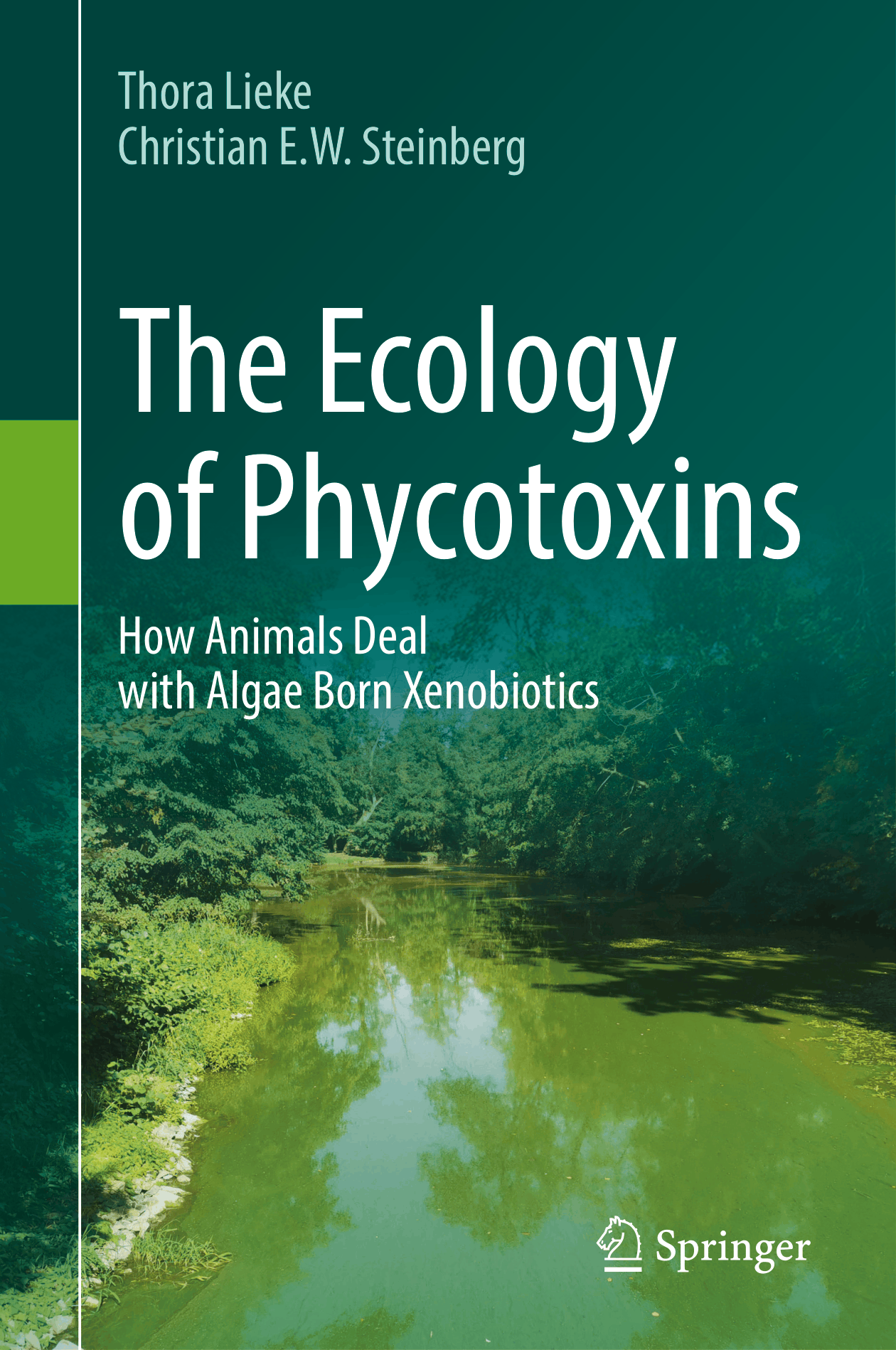
Our new book invites readers into the fascinating and at times unsettling world beneath the water’s surface. We explore how algae use toxins as weapons, signals, and tools for survival, and how these remarkable molecules ripple through food webs, ecosystems, and human societies. The book also examines how fish and other aquatic organisms cope with toxic exposure, revealing striking biological adaptations and resilience strategies. These natural defenses offer valuable insights into building more robust aquaculture systems. Through compelling real‑world case studies and discoveries from biology and chemistry, the book shows why harmful algal blooms rank among the most pressing environmental challenges of our time and why understanding their chemistry is essential to protecting aquatic life, food security, and human health. Link to the book here.
The book was published by Springer, and one of its co‑authors is our research scientist MSc. Thora Lieke, Dr. rer. nat. (LinkedIn).