
For Students
The fish processing plant participates in teaching the Fish Processing subject, which provides students with detailed knowledge of the main technological processes involved in processing freshwater fish. The course emphasizes the hygienic and sanitary aspects of production practices, the microbial safety of fish meat, and correct processing procedures—from filleting and storage to smoking and marinating to the production of final products, such as fresh and long-life fish products.
Processing Unit and Shop with Fish and Aquaculture Products offers a unique opportunity to combine theoretical knowledge with practical experience in a real-life setting. Students here gain practical experience in the production, processing, evaluation, and sale of fish products, thereby developing professional skills applicable in fisheries, food technology, and commercial practice.
Students can complete both mandatory and voluntary practical training at the workplace, take part in professional internships, and engage in the processing plant’s research and innovation projects. Active participation in the activities of the processing facility and the shop is also counted toward the criteria for merit-based scholarships that the faculty awards annually to talented students.
Students can participate in a wide range of activities:
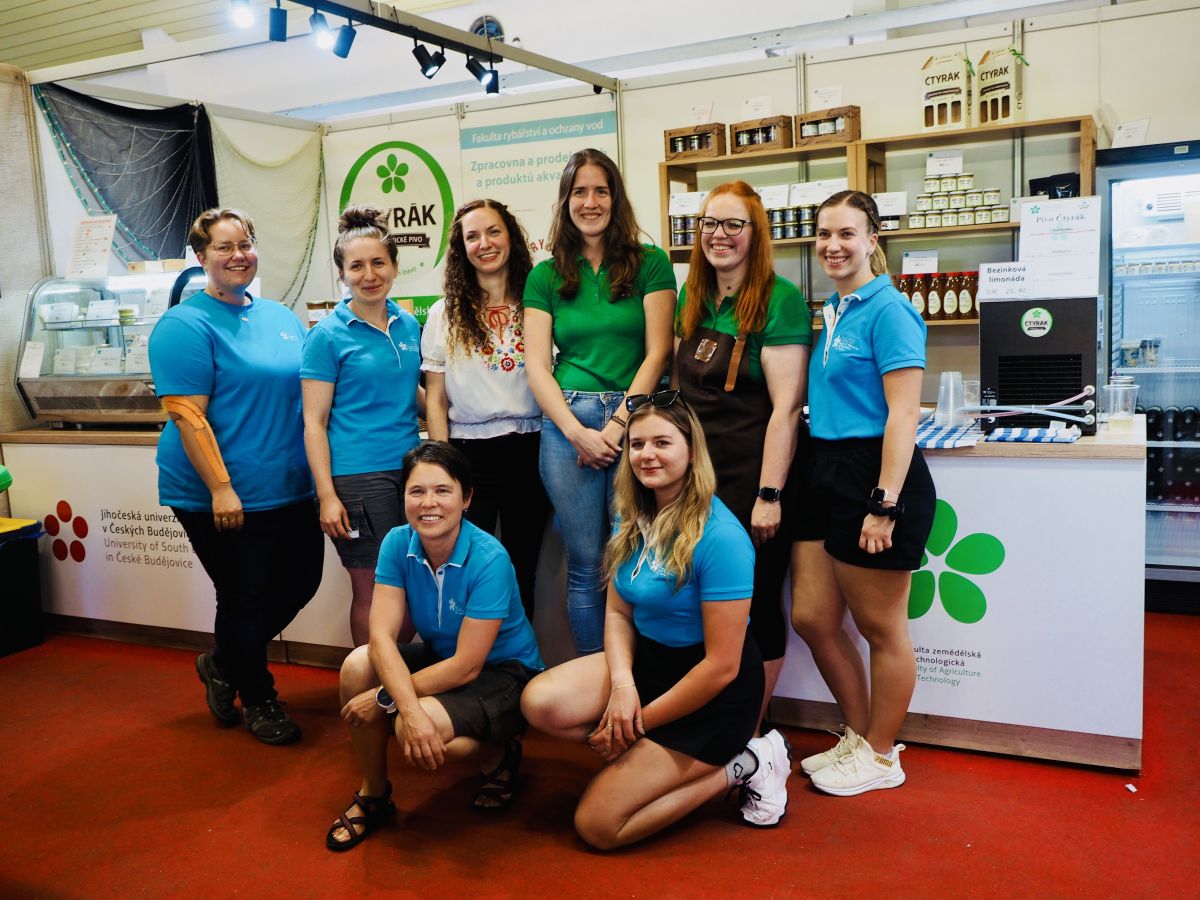
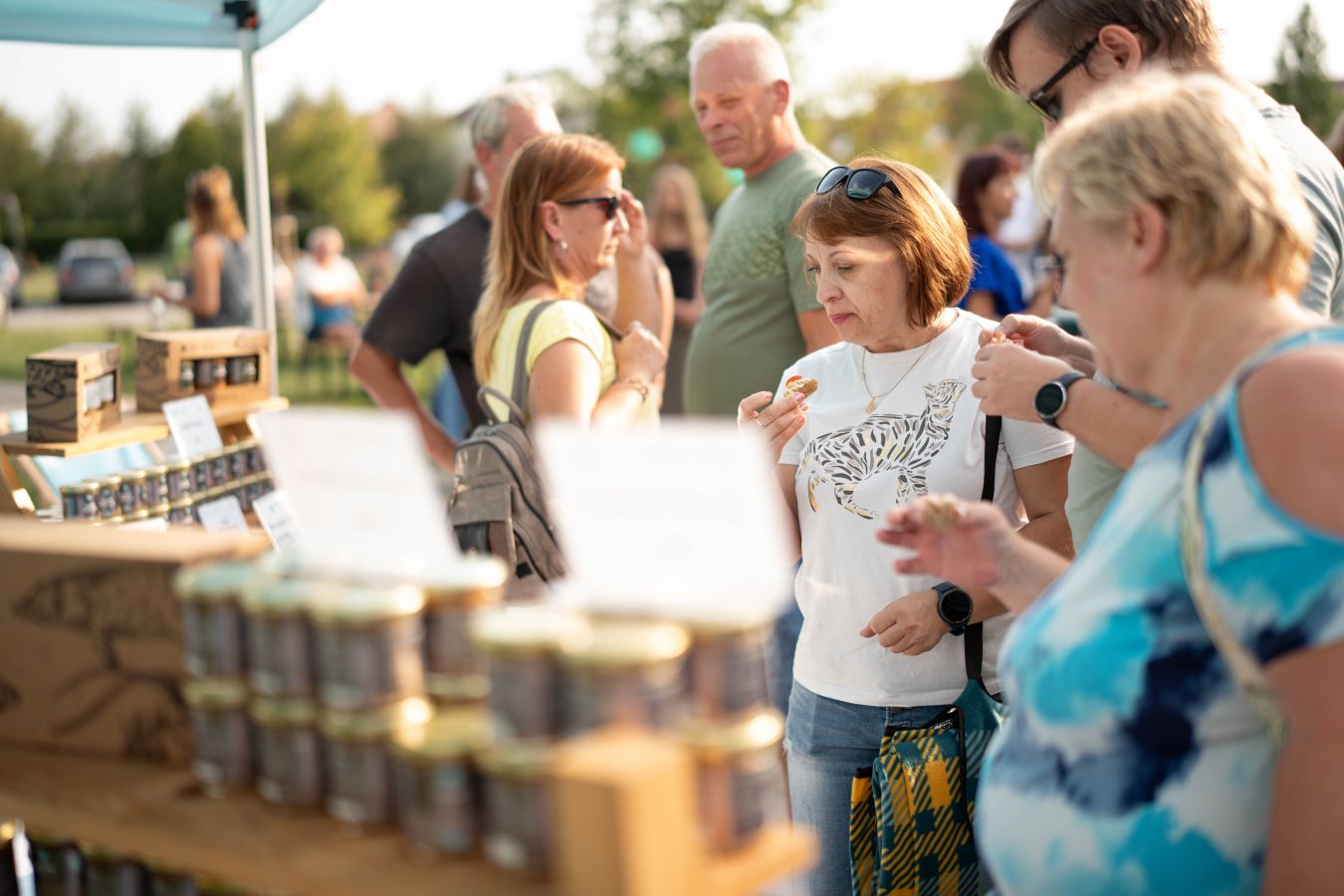
- Preparation and implementation of faculty promotional events (e.g., Země živitelka trade fair, Czech Food Expo, and other presentations of faculty activities)
- Production and innovation of fish products – development of new recipes, sensory evaluation, quality testing
- Preparation of banquet menus and catering services featuring fish specialties for conferences, celebrations, and public events
- Christmas processing and sale of fish
- Involvement in ongoing faculty and processing plant projects, which allows students to gain experience with real-world research and innovation activities in the field of aquaculture, fishing, and fish processing.
The experience gained in this environment helps students better understand the entire cycle from fish farming and processing to economic evaluation and marketing.