


Encounters with crayfish in our watercourses are rather rare today. The reasons include not only deteriorating water quality and modifications of riverbeds, but also the presence of non‑native animal species. These were introduced here in the past, possibly with good intentions, but have since proven to be a real “Trojan horse.”
In addition to our native crayfish species (the noble crayfish Astacus astacus and the stone crayfish Austropotamobius torrentium), the spiny‑cheek crayfish has also been present in our waters for a long time. Unfortunately, other non‑native species have been added as well:
- spiny‑cheek crayfish
- signal crayfish
- marbled crayfish
A major problem is that these “invaders” act as carriers of crayfish plague, a disease that has fatal consequences for our native crayfish species, while they themselves are resistant to it.
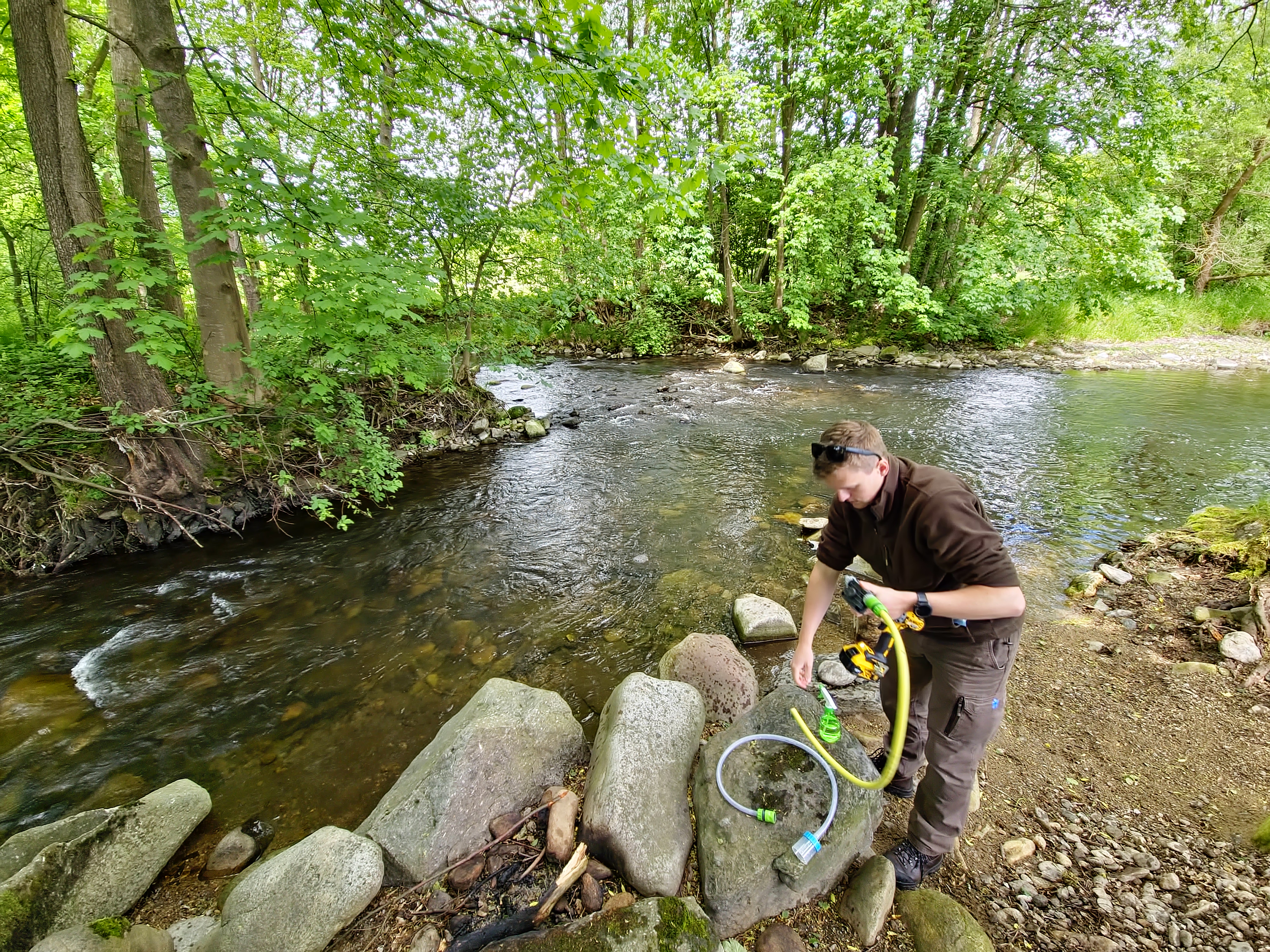
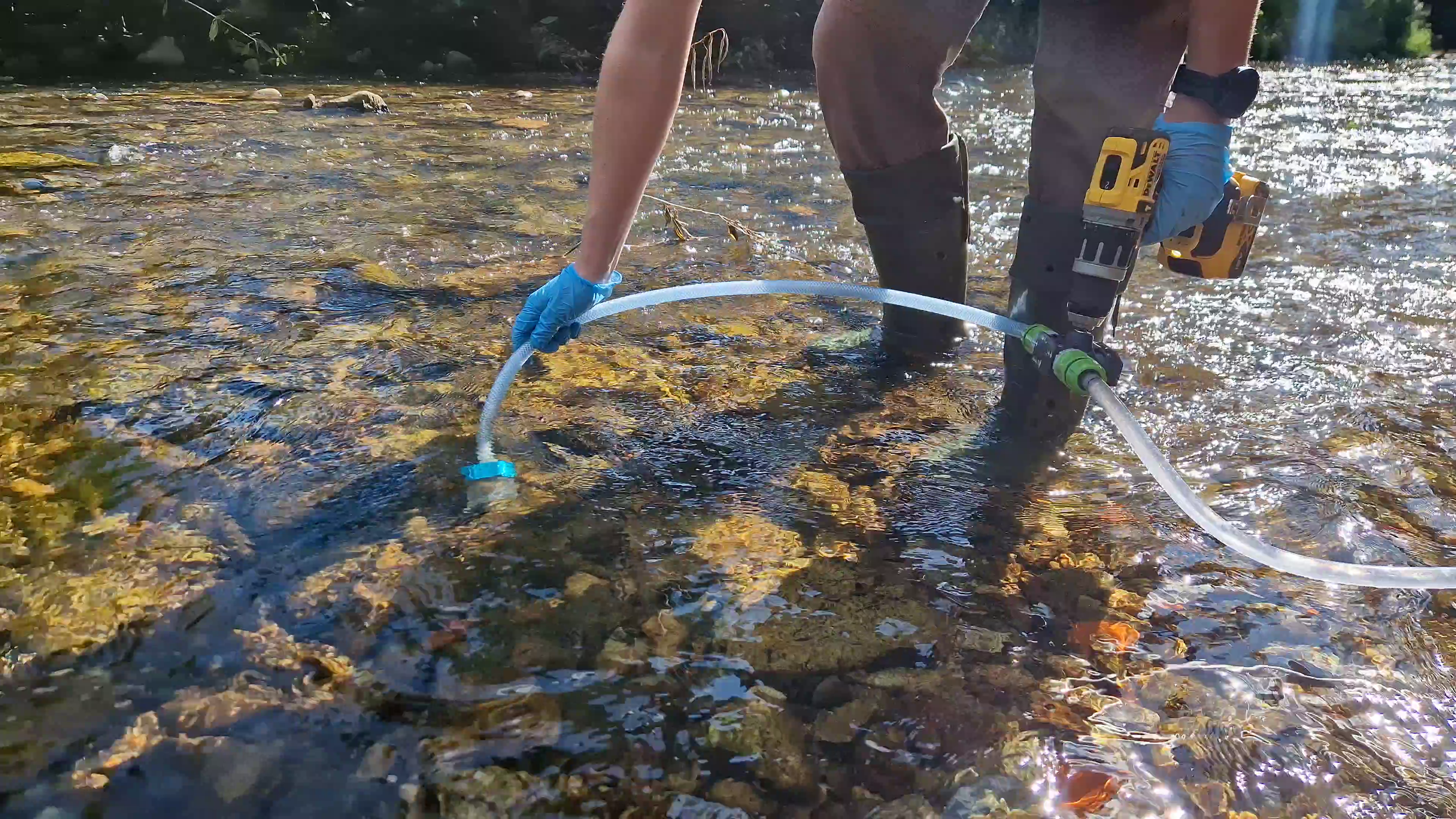
The key to protecting native populations lies in the early detection of these invaders. An excellent tool in this regard is environmental DNA analysis, which is sensitive enough to detect even hidden or low‑density populations.
This very method is the focus of a student project by Jakub Kocour, carried out in cooperation with ČSOB, a.s. Using environmental DNA, the project maps the distribution of the native noble crayfish and the invasive signal crayfish in the Volyňka River basin.
Would you like to learn more? Read the article on this topic prepared by our colleagues Ing. Jakub Kocour and doc. Ing. Martin Bláha, Ph.D., for the magazine Rybářství, published in the March issue, available here.


