
Researchers from FROV JU Participate in the Final Meeting of the Horizon 2020 NeoGiANT Project
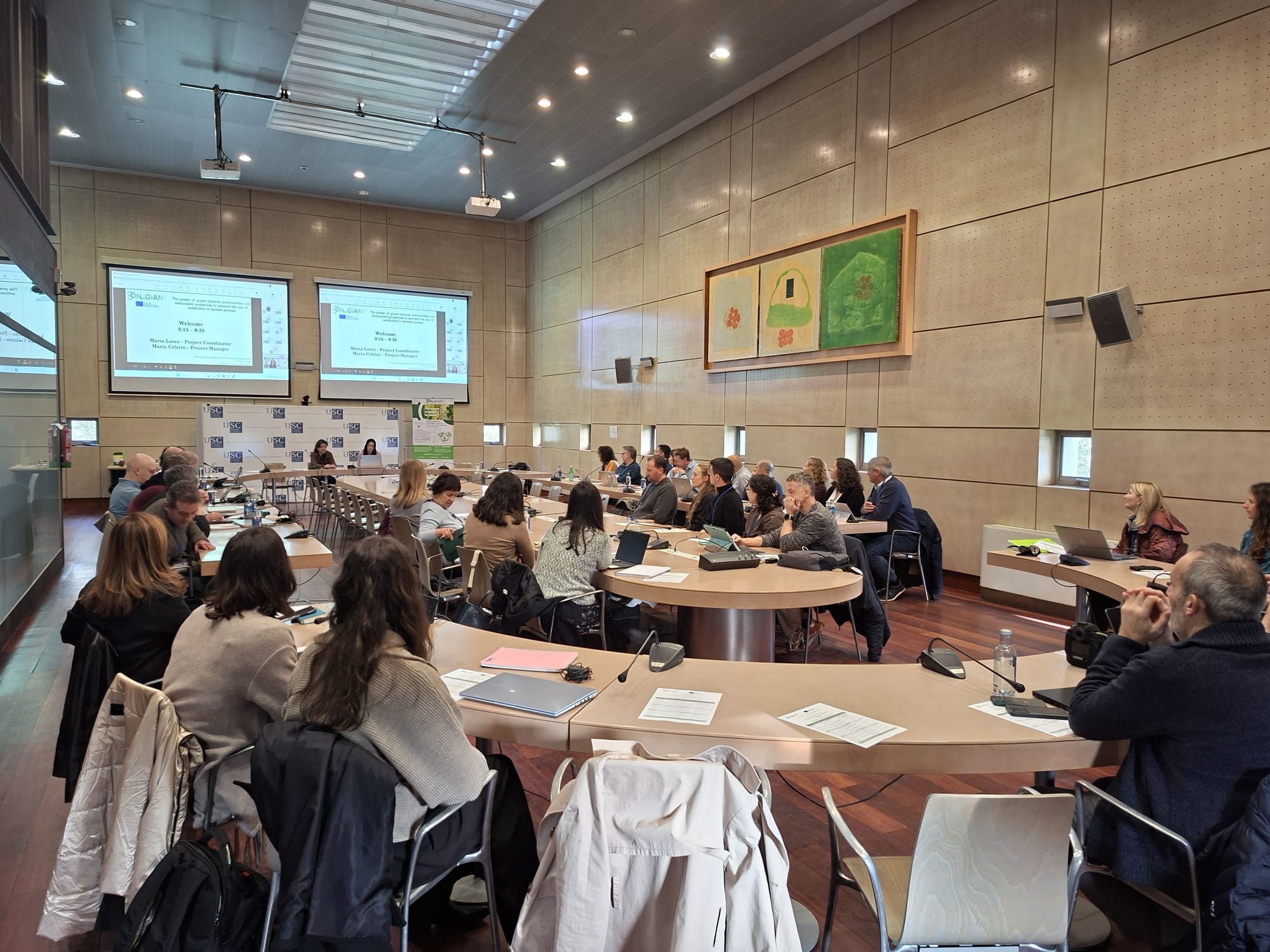
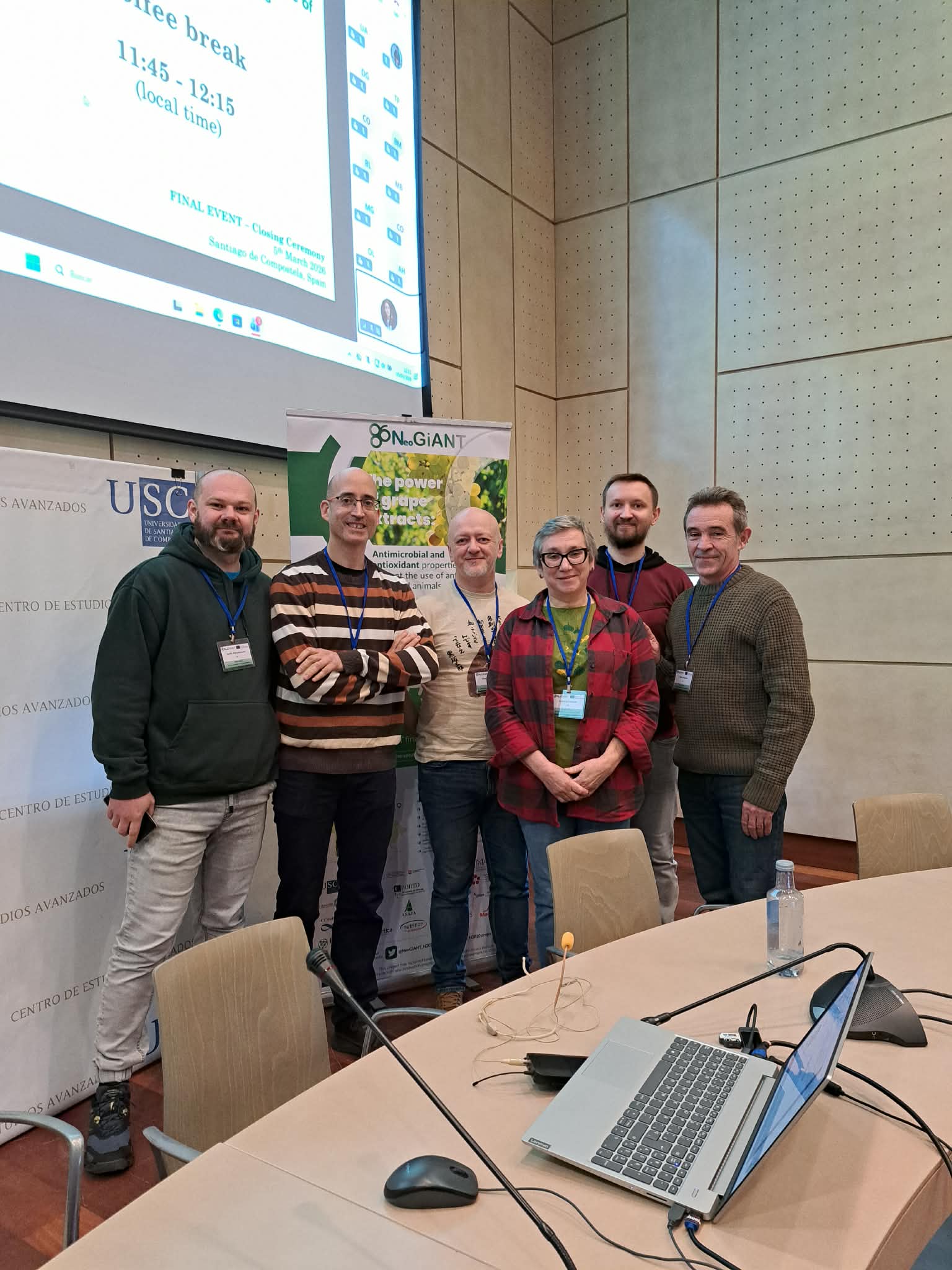
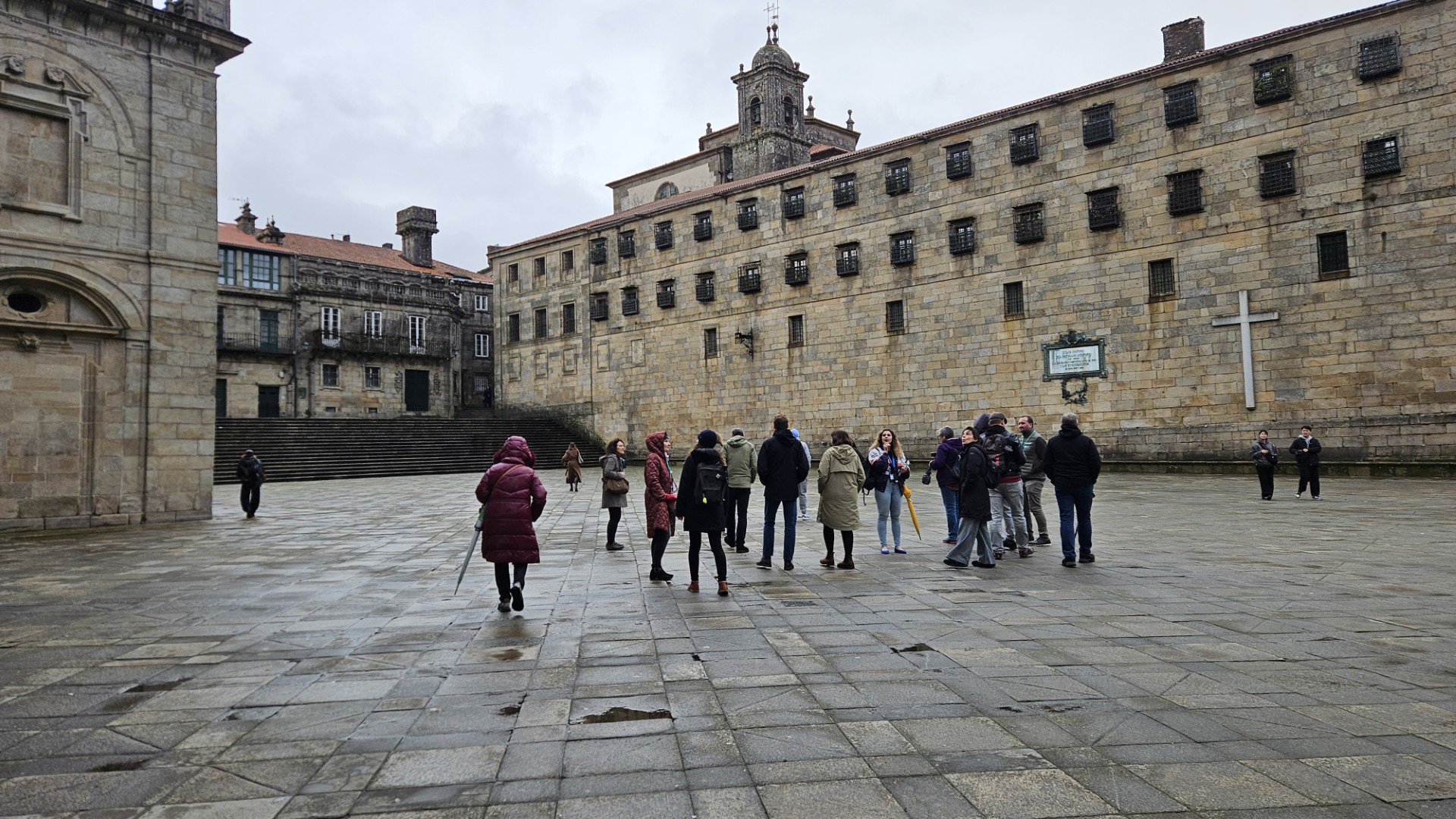
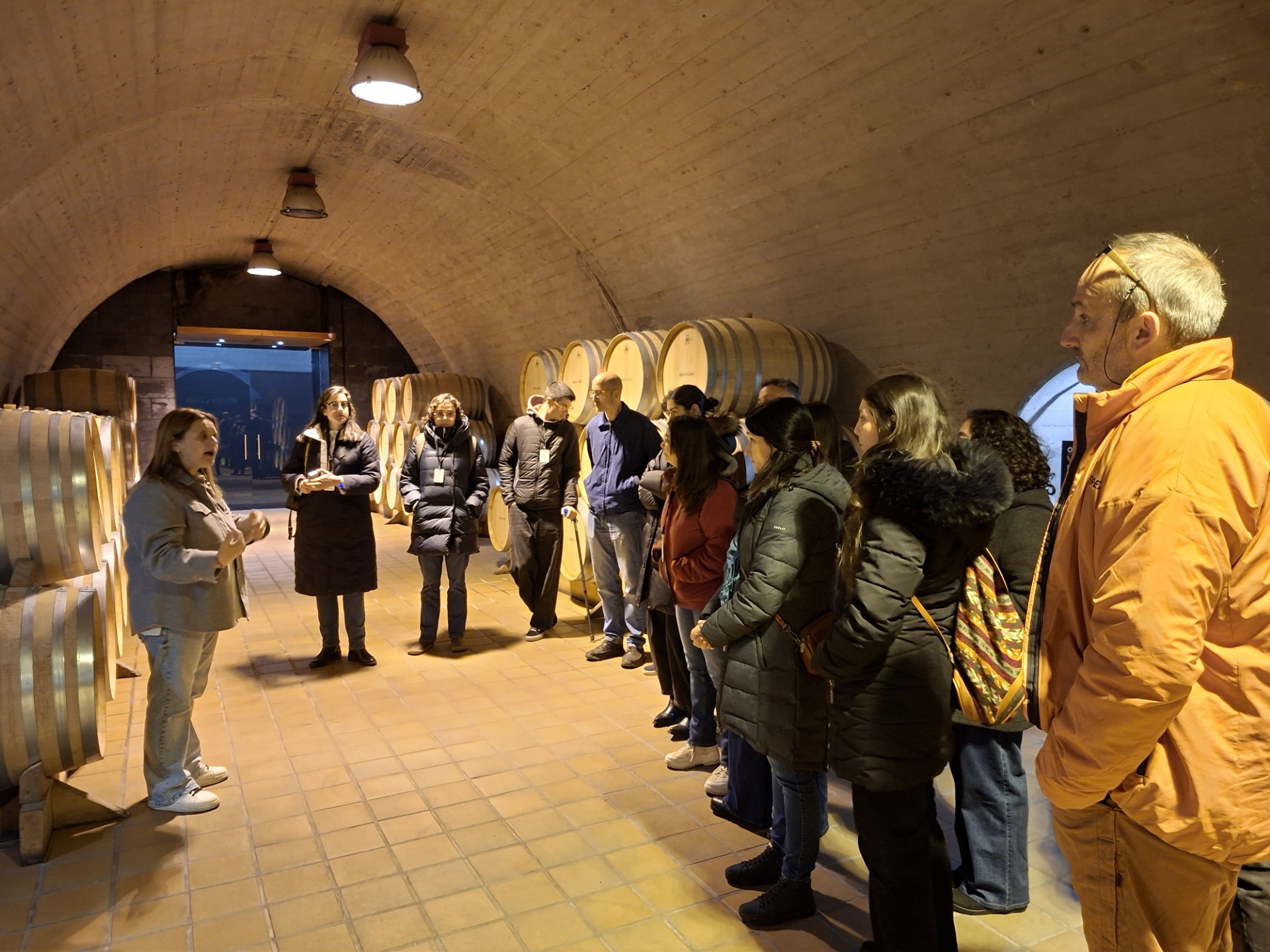
Members of the Laboratory of Reproductive Physiology at the Faculty of Fisheries and Protection of Waters (FROV JU) participated in the Final General Assembly and Closing Event of the Horizon 2020 NeoGiANT project, held in Santiago de Compostela, Spain. The meeting brought together partners from across Europe to summarize the results achieved during the four-year collaboration.
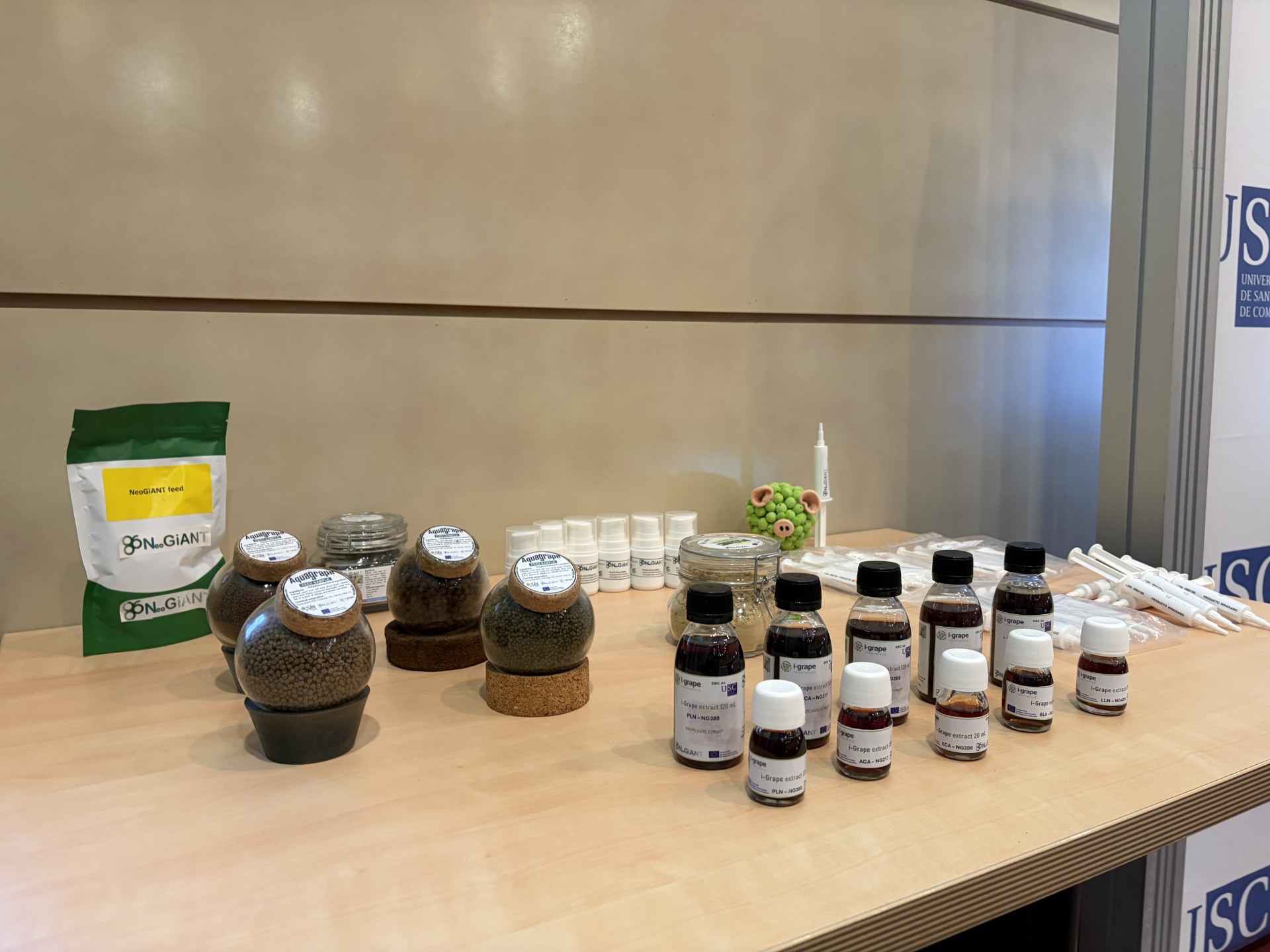
The NeoGiANT project explored the potential of grape-extract-based antimicrobial and antioxidant solutions as natural alternatives to antibiotics in animal production systems.
Within the project, the Laboratory of Reproductive Physiology investigated the potential use of polyphenol-rich extracts derived from grape marc for the hypothermic storage of fish sperm, focusing on aquaculture species. This research aimed to evaluate whether these natural compounds could help limit microbial growth and maintain the quality of stored gametes, offering a possible alternative to conventional antimicrobial agents used during short-term sperm preservation.
During the final meeting, partners presented the outcomes of the different work packages, including formulation development, laboratory and field trials, regulatory aspects, and potential pathways for practical implementation.
The event also provided opportunities for discussion with project partners and reflection on the scientific progress achieved throughout the consortium. The meeting marked the conclusion of a productive international collaboration and highlighted the potential of natural bioactive compounds in supporting more sustainable animal production practices.
A short video presenting the participation of the Laboratory of Reproductive Physiology in the NeoGiANT project is available below.
https://www.youtube.com/watch?v=xrxSMB0id9E
This project has received funding from the European Union’s Horizon 2020 research and innovation programme under grant agreement No. 101036768.
For more information about the project, visit: