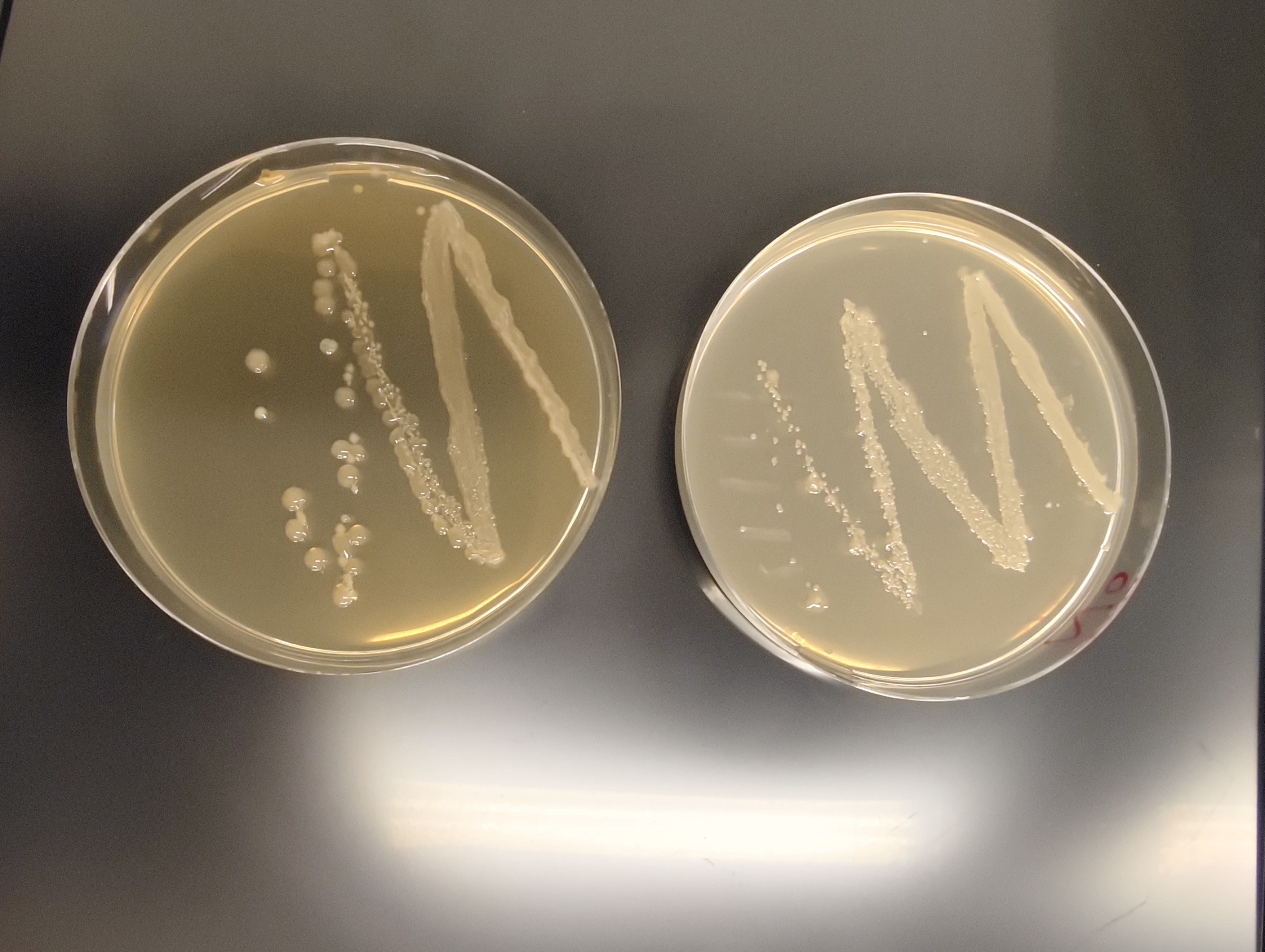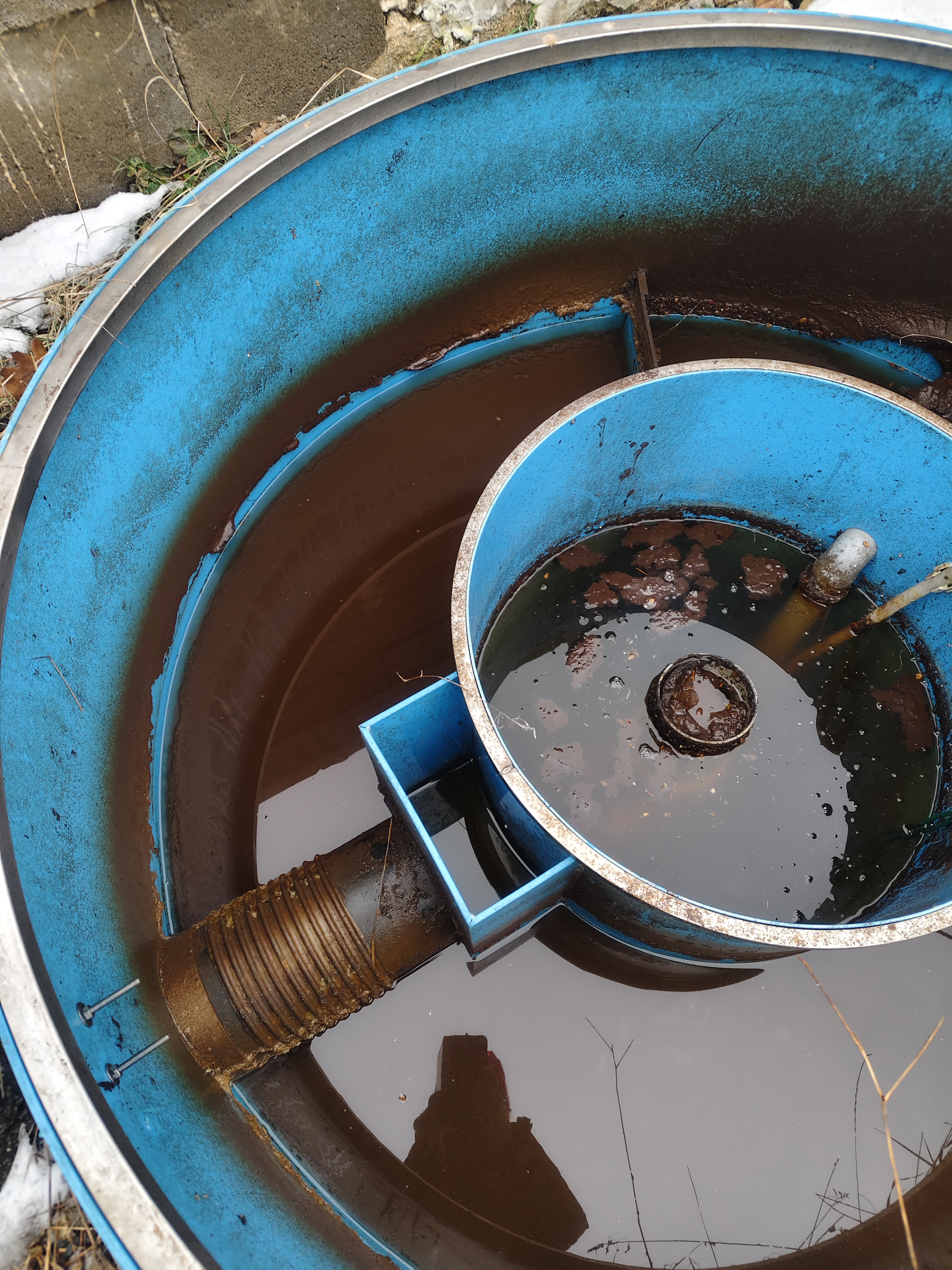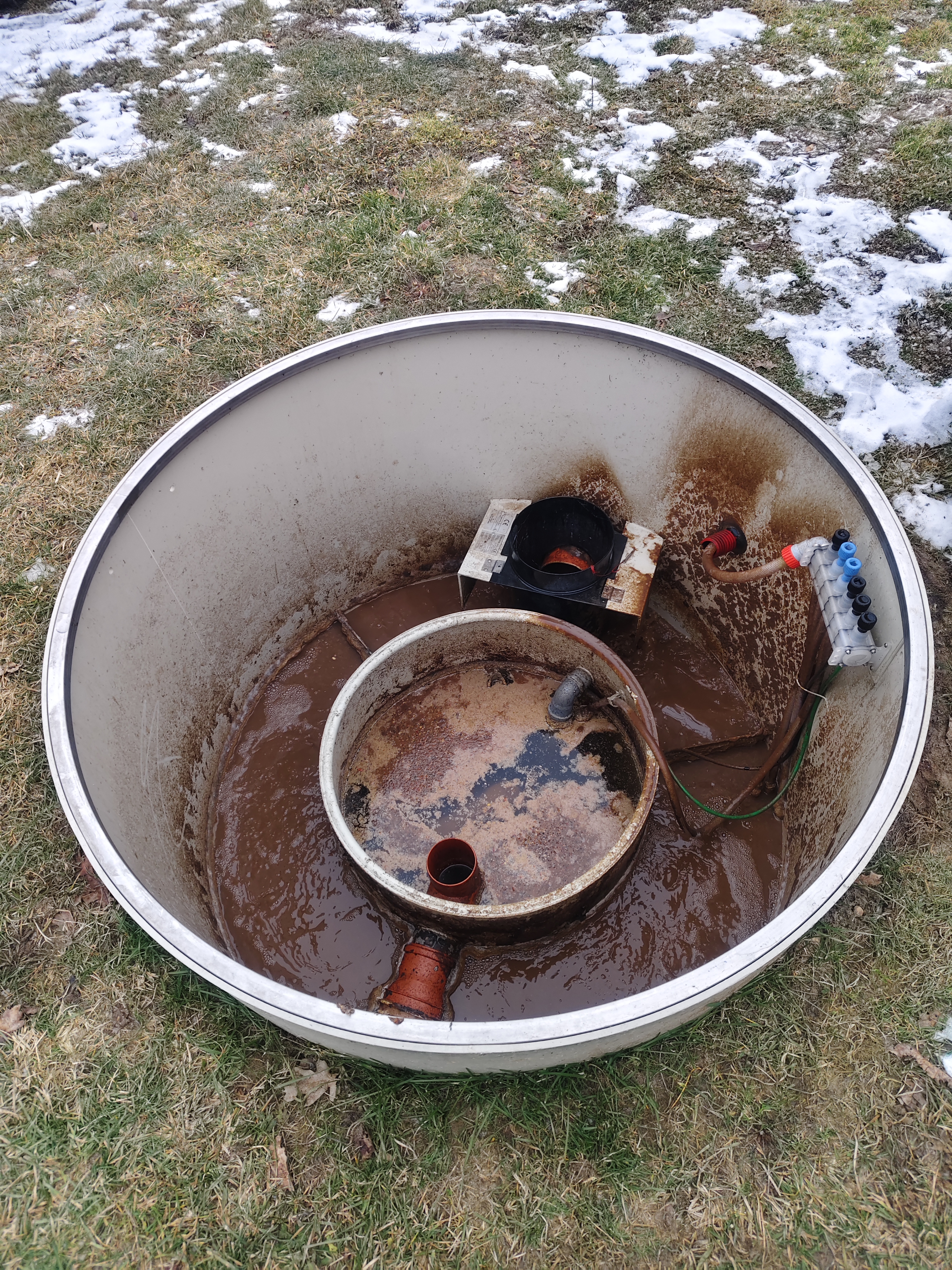

Unpleasant odours, cloudy water, or costly repairs – all of these can result from a few common mistakes made by many owners of domestic wastewater treatment plants (DWTP). Find out what can harm the bacteria in your treatment system and how to keep the microorganisms in good condition so that your wastewater treatment plant operates efficiently.
Research conducted at the Faculty of Fisheries and Water Protection, University of South Bohemia, also addresses practical issues that people encounter in their everyday lives. Mgr. Barbora Zdvihalová focused on the performance of DWTP and the effectiveness of bacterial products designed to support their biological processes. The results showed considerable differences between individual products: while some can effectively support the recovery of biological processes, others have only a minimal effect. Proper operation of a DWTP depends primarily on maintaining suitable conditions for microorganisms, including sufficient oxygen, an appropriate pH and a stable supply of organic matter. Regular sedimentation tests are also an important part of maintenance, as they can provide an early indication of problems with the biological treatment process.
How can you tell when a DWTP is not working properly? When does adding bacterial cultures make sense, what can harm the microorganisms in the system, and why can aggressive cleaning products cause problems? Practical recommendations and findings from Barbora Zdvihalová’s research are presented in an article published on the Czech website ČeskéStavby.cz. The research project was financially supported by ČSOB, s.r.o.