Na základě mezinárodní výzkumné spolupráce v oblasti environmentální chemie představila doktorandka Gayani Rajakaruna Kapukotuwa (LinkedIn) z Laboratoře environmentální chemie a biochemie svůj výzkum na Švédské univerzitě zemědělských věd (SLU) v Uppsale. Seminář s názvem „Bioaccumulation of Psychoactive Contaminants and Their Effects on Brain−Gonad−Sperm Neurotransmitter Networks in Fish“ vycházel z její nedávno publikované práce v časopise Environmental Science & Technology.
V této studii Gayani a její kolegové ukazují, že psychoaktivní kontaminanty se mohou bioakumulovat v různých tkáních ryb, včetně mozku, pohlavních žláz a spermií, a jsou spojeny se změnami klíčových neurotransmiterových sítí, které jsou konzervované napříč obratlovci. Výzkum probíhal pod vedením doc. Ganny Fedorové a zdůrazňuje pokračující mezinárodní spolupráci v oblasti environmentální chemie a akvatické toxikologie.
- Fotogalerie:
- Foto:

- Štítky:
Úspěchy
Gayani Rajakaruna Kapukotuwa (Laboratoř environmentální chemie a biochemie) získala cenu za Nejlepší prezentaci v kategorii Zvířata a ekologie na 6. mezinárodní multidisciplinární konferenci pro mladé výzkumníky (MCYR), která se konala ve dnech 9. – 10. října 2025, a to za svou práci na téma "Vliv farmaceutické kontaminace na neurotransmisi u ryb" (Impact of Pharmaceutical Contamination on Fish Neurotransmission).
Gratulujeme k úspěchu.
Building on an international research collaboration in environmental chemistry, PhD student Gayani Rajakaruna Kapukotuwa (LinkedIn) from the Laboratory of Environmental Chemistry and Biochemistry recently presented her work at the Swedish University of Agricultural Sciences (SLU) in Uppsala. The seminar, entitled “Bioaccumulation of Psychoactive Contaminants and Their Effects on Brain−Gonad−Sperm Neurotransmitter Networks in Fish,” was based on her recent publication in Environmental Science & Technology.
In this work, Gayani and colleagues show that psychoactive contaminants can bioaccumulate in multiple fish tissues, including brain, gonads and sperm, and are associated with alterations in key neurotransmitter networks that are conserved across vertebrates. The research was conducted under the supervision of Assoc. Prof. Ganna Fedorova and highlights ongoing international collaboration in the field of environmental chemistry and aquatic toxicology.
A new study, “Eyes as a Novel Target of Psychoactive Contaminants in Fish” by Fedorova et al., reveals that fish eyes can be affected by trace concentrations of psychoactive drugs present in aquatic environments.
Psychoactive pharmaceuticals such as antidepressants and anxiolytics are emerging contaminants frequently detected in surface waters. These substances act on neurotransmitter systems that are evolutionarily conserved across vertebrates.
Using liquid chromatography coupled to mass spectrometry analyses, the authors demonstrate that these compounds can influence ocular tissues in fish—not only the brain. The observed effects include alterations in neurotransmitter levels in eye tissues, which may ultimately impair vision.
The study suggests that eye health and visual processing could serve as sensitive, integrative indicators of contaminant exposure, with potential consequences for fish survival through impaired foraging or predator avoidance. This finding is particularly novel, as most ecotoxicological studies on psychoactive contaminants have focused on neural or behavioral outcomes, while ocular effects have remained largely unexplored.
This research opens a new line of inquiry in aquatic toxicology and highlights the importance of evaluating whole-organism responses, beyond the traditional focus on brain and behavior, when assessing the risks of pharmaceutical pollution.
The paper was also selected for the cover art of the current issue of Environmental Science & Technology Letters, featuring an illustration created by the authors. This recognition underscores both the scientific and visual impact of the study and brings international attention to research conducted at FROV JU and CENAKVA.
Reference:
Fedorova, G., Sotnikov, A., Turek, J., Galicová, P., Kapukotuwa, G. R., Randák, T., Boryshpolets, S. (2025). Eyes as a Novel Target of Psychoactive Contaminants in Fish. Environmental Science & Technology Letters, 12 (10), 1301–1307.
https://pubs.acs.org/doi/10.1021/acs.estlett.5c00607
- Fotogalerie:
- Foto:
- Foto:
- Štítky:
Úspěchy
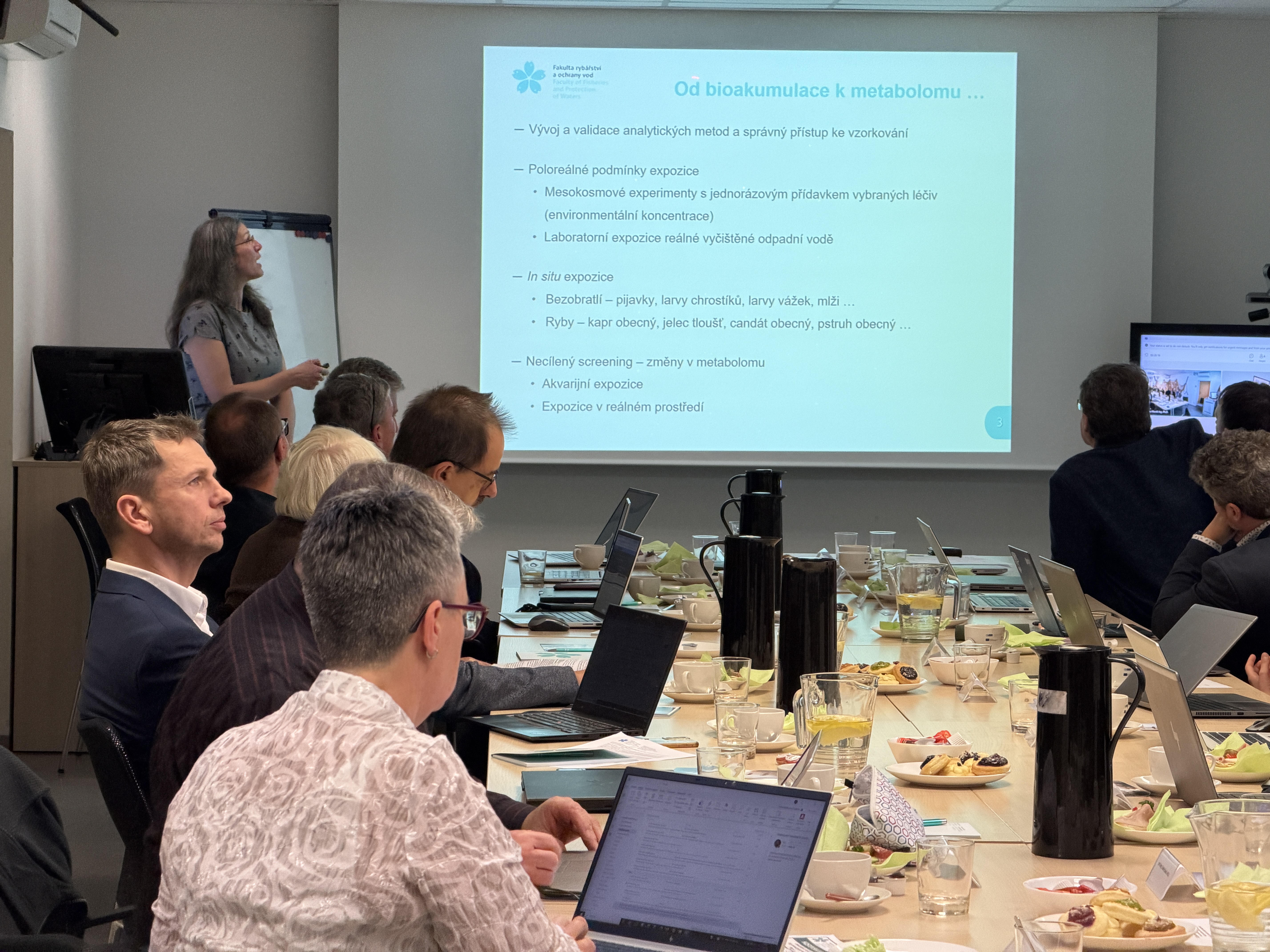
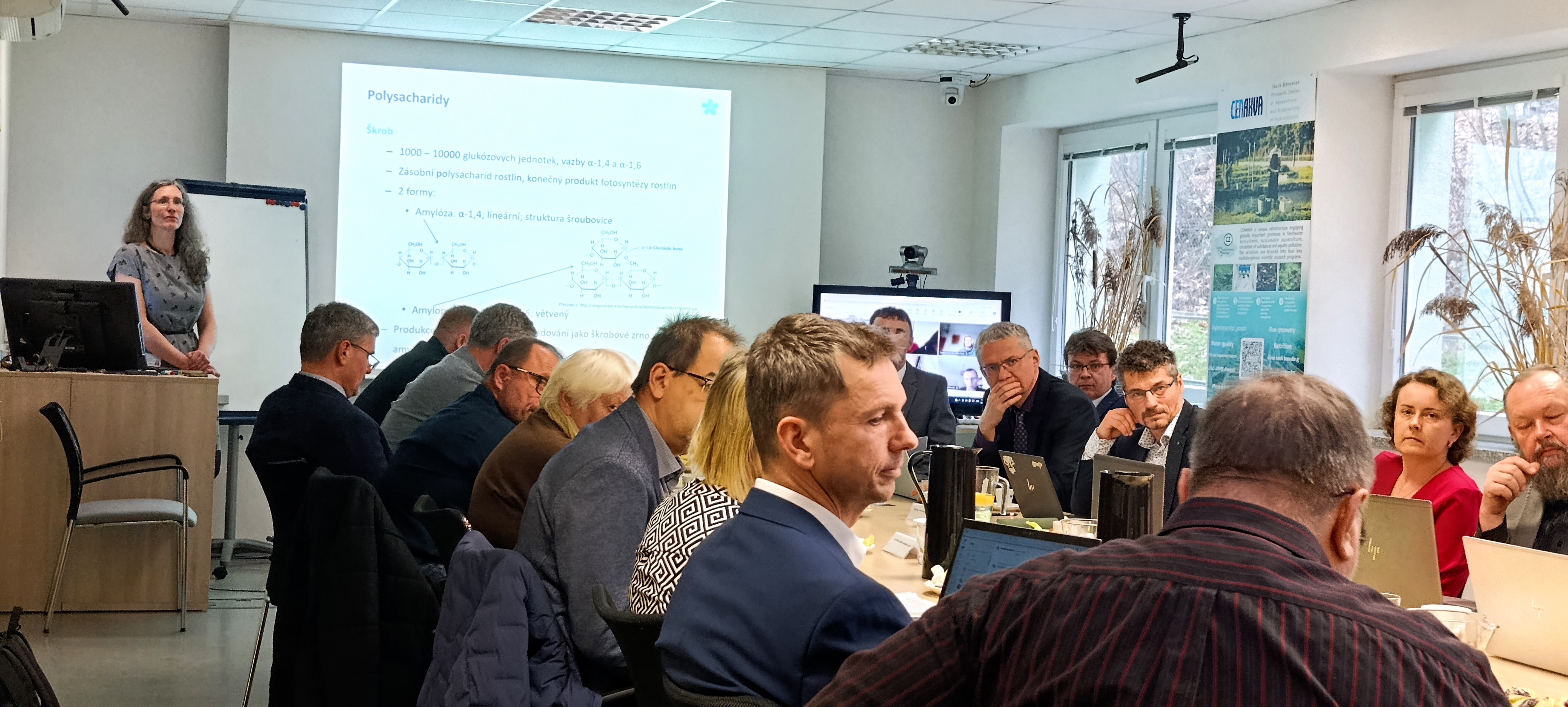
Congratulations to our colleague Kateřina Grabicová, who successfully defended both her habilitation lecture and habilitation thesis at the meeting of the Scientific Board of FFPW USB on 19 December 2025.
The Rector of the University of South Bohemia in České Budějovice, Prof. Kozák, appointed her Associate Professor in the field of Fisheries, effective from 1 February 2026.
Topic of the habilitation thesis:
“The Impact of Municipal Pollution on Aquatic Organisms with a Focus on Bioaccumulation and Metabolome.”
- Fotogalerie:
- Foto:
- Foto:
- Štítky:
Úspěchy
Gratulujeme naší kolegyni Kateřině Grabicové, která 19. prosince 2025 na zasedání Vědecké rady FROV JU úspěšně obhájila svou habilitační přednášku i habilitační práci.
Rektor Jihočeské univerzity v Českých Budějovicích prof. Kozák ji s účinností od 1. února 2026 jmenoval docentkou v oboru Rybářství.
Téma habilitační práce: „Vliv komunálního znečištění na vodní organismy se zaměřením na bioakumulaci a metabolom“.
- Fotogalerie:
- Foto:
- Štítky:
Úspěchy
Gayani Rajakaruna Kapukotuwa (Environmental Chemistry and Biochemistry Laboratory) earned the Best Presentation Award in the Animal and Ecology category at the 6th International Multidisciplinary Conference for Young Researchers (October 9-10, 2025) for her work on "Impact of Pharmaceutical Contamination on Fish Neurotransmission."
Congratulations.
the director of the RIFCH FFPW USB Prof. Dipl.-Ing. Tomáš Randák, Ph.D. was a host in the "Český rozhlas České Budějovice" where he talked about graylings. You can listen to the interview (only in Czech) here.
Šanci na přežití by mohlo mít víc vysazených lipanů podhorních. Tyto ryby se ve volné přírodě už skoro nerozmnožují. Jihočeští vědci ale našli efektivnější způsob, jak zvýšit jejich počty po vypuštění do řek. Podle jejich výzkumu nezáleží jen na čistotě vodních toků, ale také na stáří ryb.
Poslechněte si krátký rozhovor s panem ředitelem VÚRH FROV JU prof. Ing. Tomášem Randákem, Ph.D.
- Fotogalerie:
- Foto:
- Foto:
- Foto:
- Foto:
- Foto:
- Štítky:
FROV
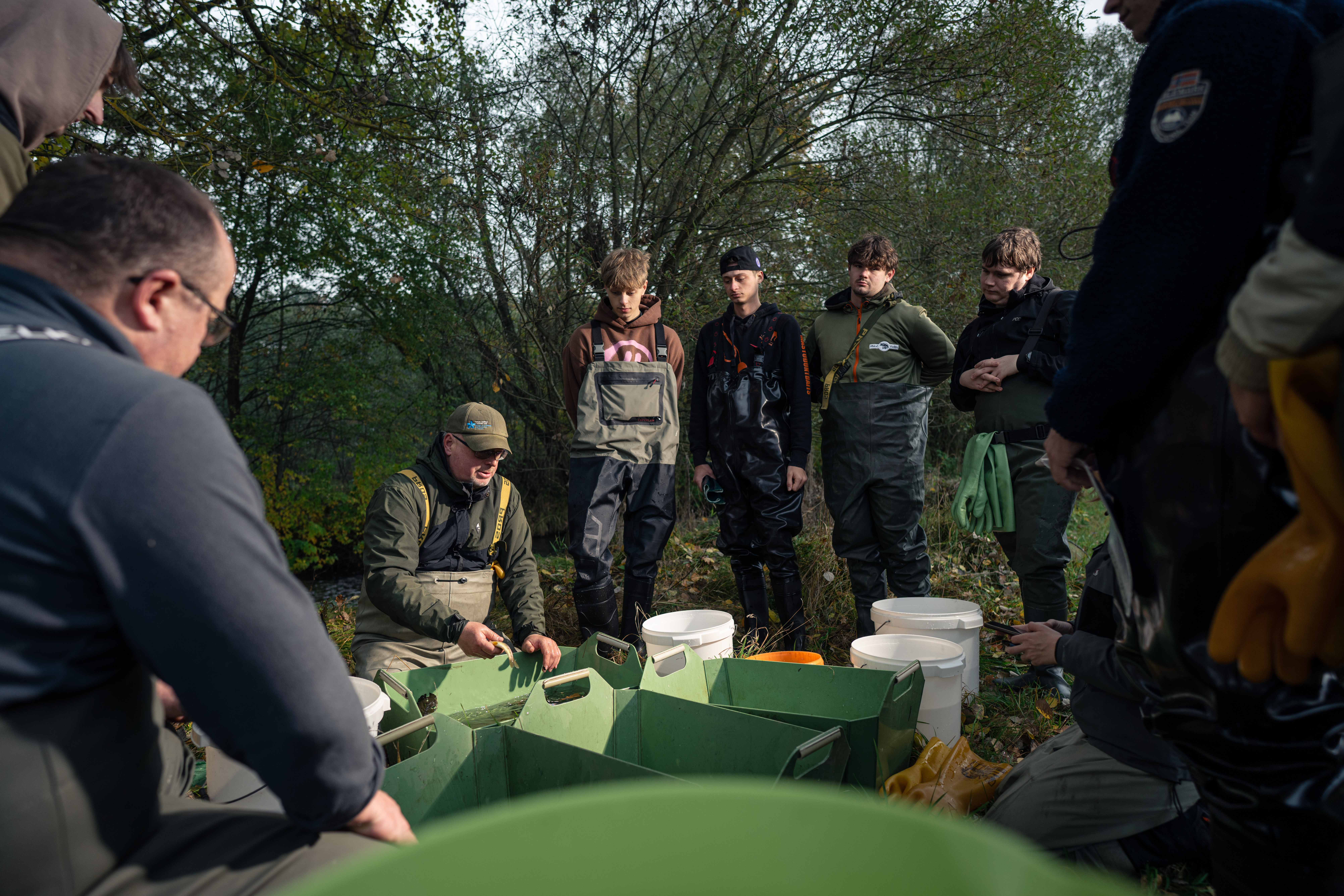
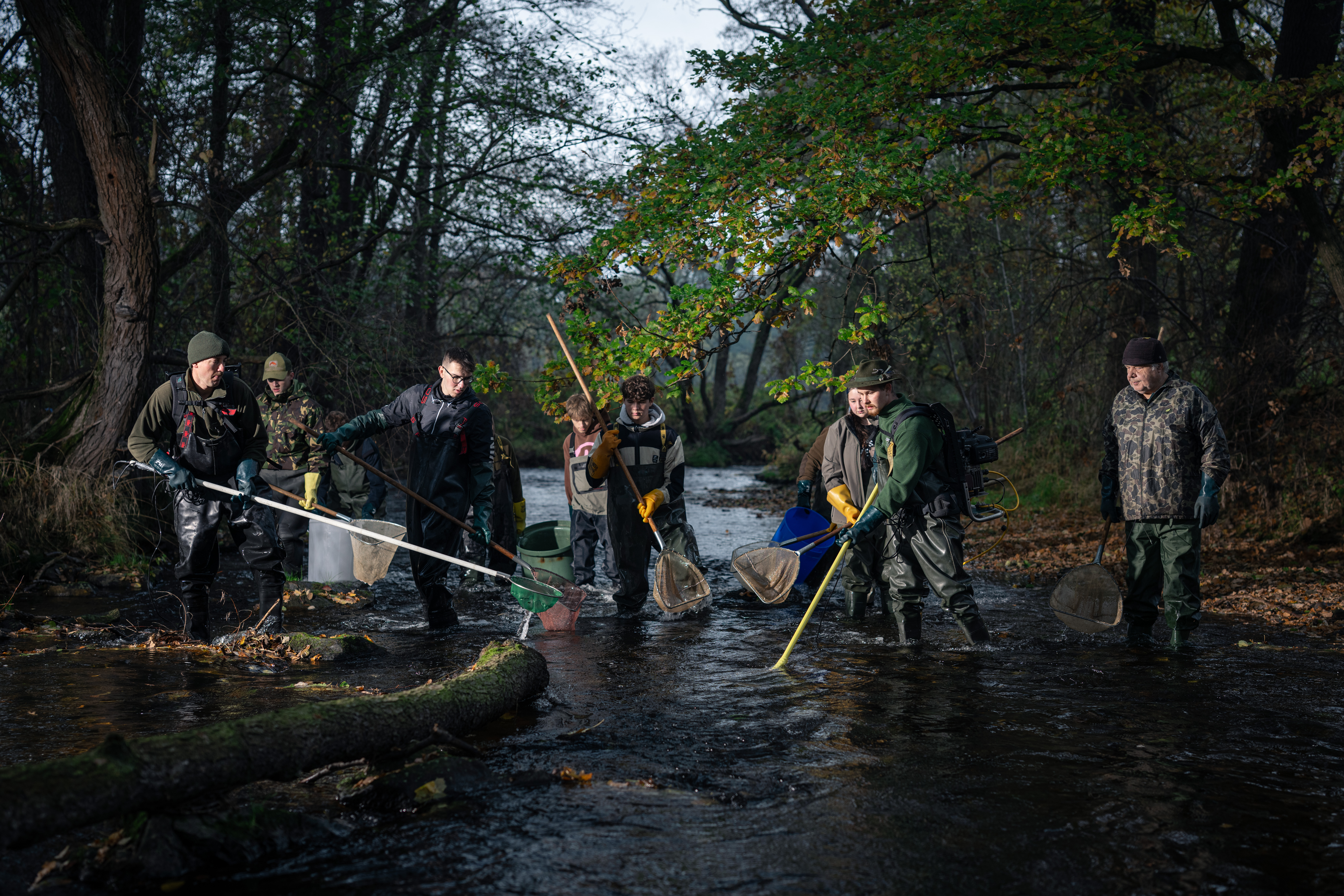
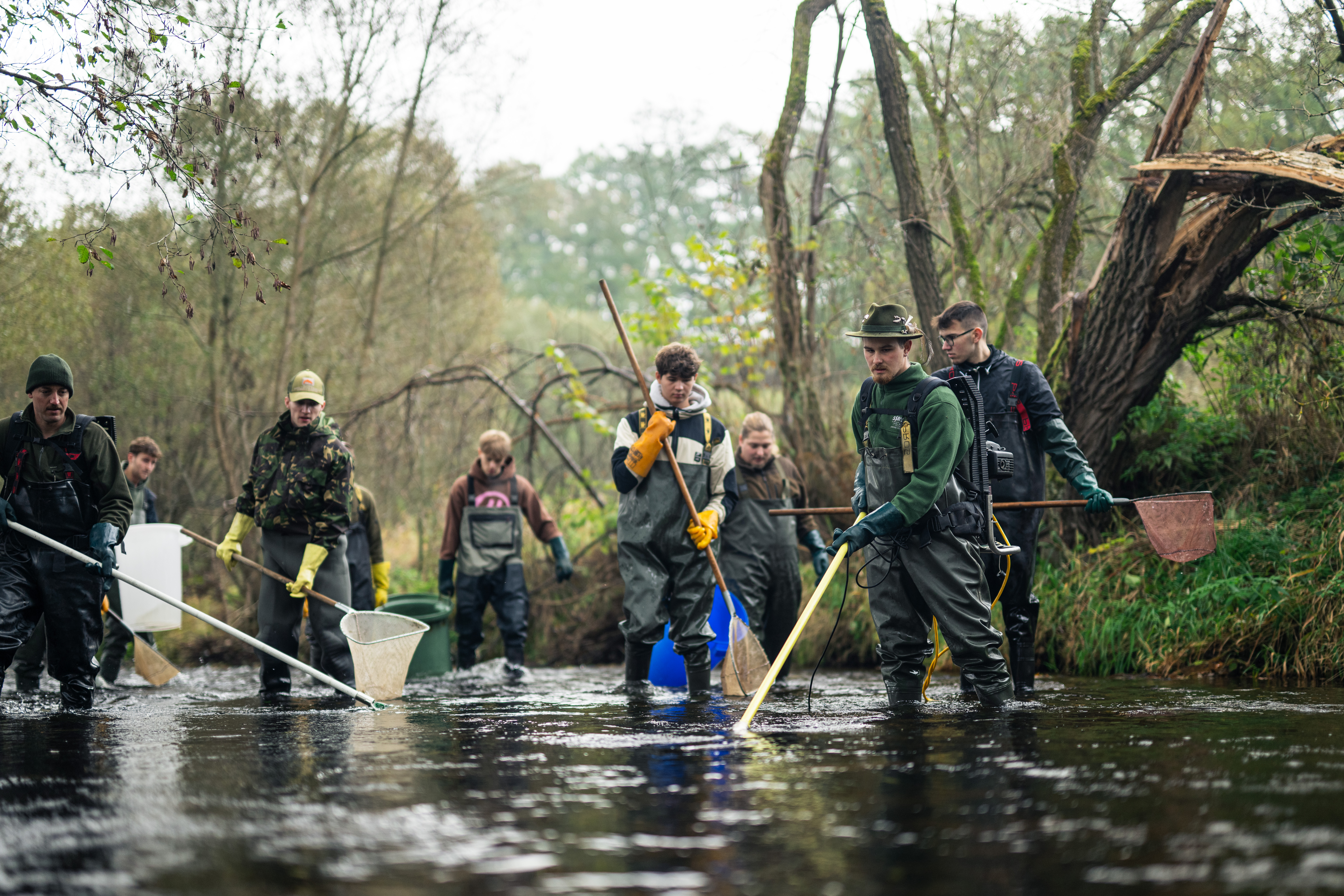
Ve dnech 22.–23. října 2025 se naši bakaláři a magistři vydali na řeku Blanici (lokality Těšovice a Strunkovice nad Blanicí nacházející se ve fakultním účelovém rybářském revíru Blanice vodňanská 4B), kde si v rámci výuky předmětů Rybářství ve volných vodách a Management volných vod prakticky vyzkoušeli odlov ryb pomocí elektrických agregátů.
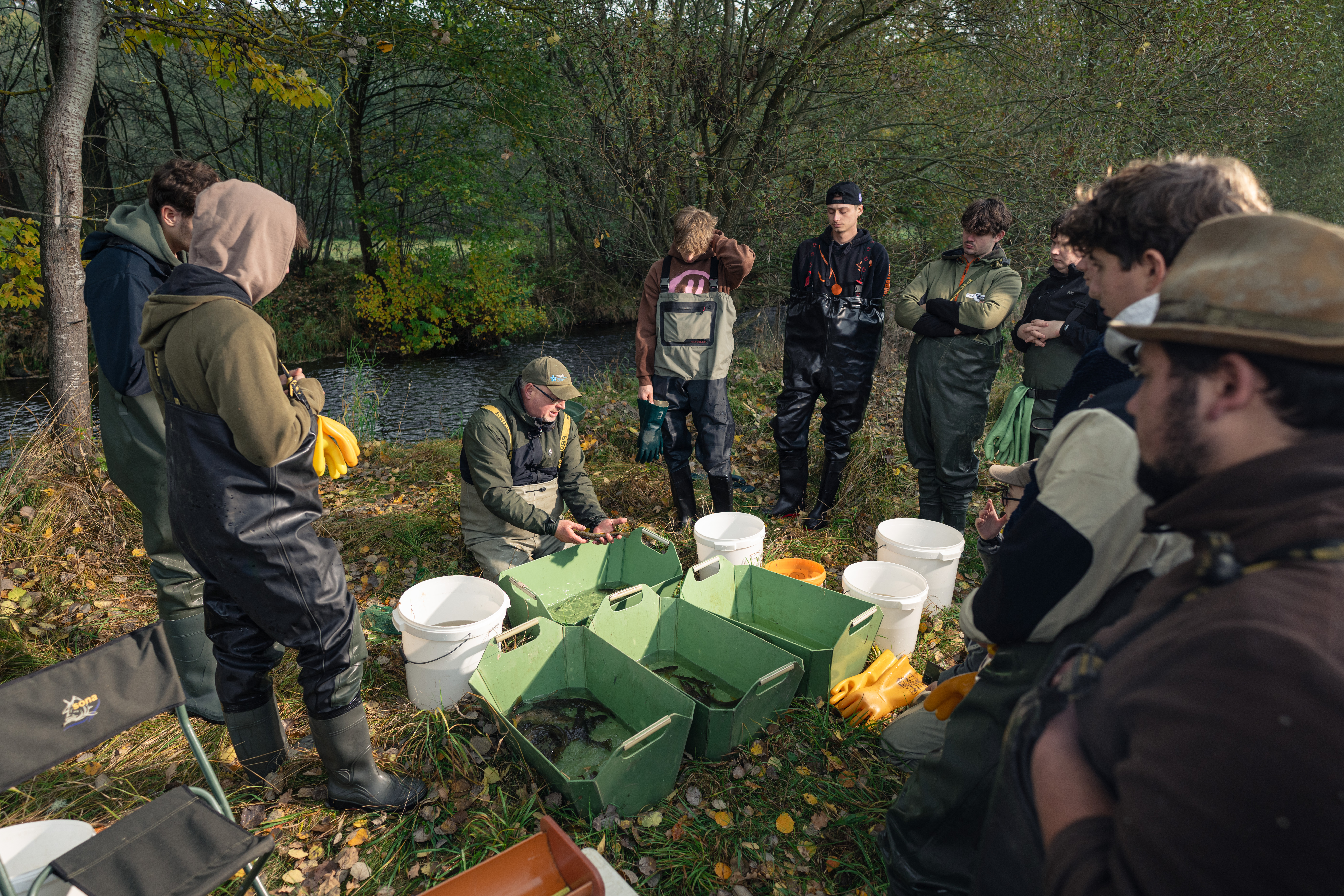
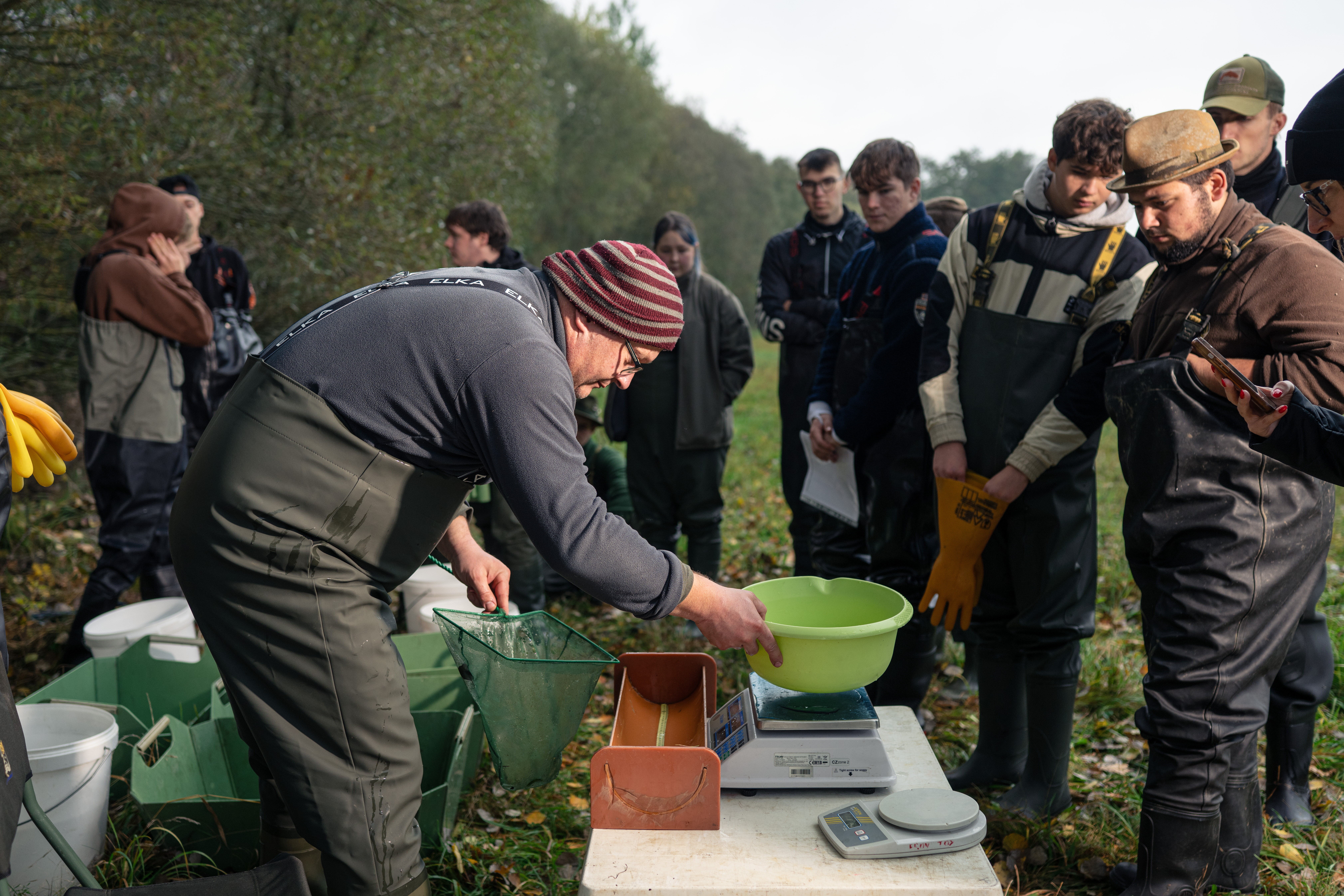
Pod vedením odborníků z Laboratoře environmentální chemie a biochemie probíhalo nejen samotné odlovování, ale i následné třídění ryb podle věku, druhu a pohlaví, jejich měření a vážení. Proběhlo zhodnocení stavu rybích populací v dlouhodobě monitorovaných úsecích a také byly vybrány generační ryby pro umělý výtěr, který bude předmětem následujícího cvičení studentů bakalářského programu. V Blanici se nejčastěji vyskytují pstruzi obecní menší až střední velikosti – větší jedinci a stejně tak i lipani podhorní jsou vzácní zejména kvůli silnému tlaku rybožravých predátorů.
Praktická výuka v přírodě je pro studenty skvělou příležitostí, jak si osvojit teorii přímo v terénu!
- Fotogalerie:
- Foto:
- Foto:
- Foto:
- Foto:
- Foto:
- Štítky:
FROV
On October 22–23, 2025, our bachelor's and master's students headed to the Blanice River (locations Těšovice and Strunkovice nad Blanicí, situated within the faculty’s designated fishing district Blanice vodňanská 4B), where they had the opportunity to practically try fish capture using electric aggregators as part of their courses Fisheries in Open Waters and Open Water Management.
Under the guidance of experts from the Laboratory of Environmental Chemistry and Biochemistry, the students not only participated in the actual fish capture but also in subsequent sorting of fish by age, species, and sex, as well as their measuring and weighing. The condition of fish populations in long-term monitored sections was evaluated, and broodstock fish were selected for artificial spawning, which will be the focus of the next practical exercise for bachelor’s students.
In the Blanice River, brown trout of small to medium size are most commonly found – larger individuals and grayling are rare, mainly due to strong pressure from fish-eating predators.
Practical outdoor teaching is a great opportunity for students to apply theory directly in the field!
- Fotogalerie:
- Štítky:
FROV
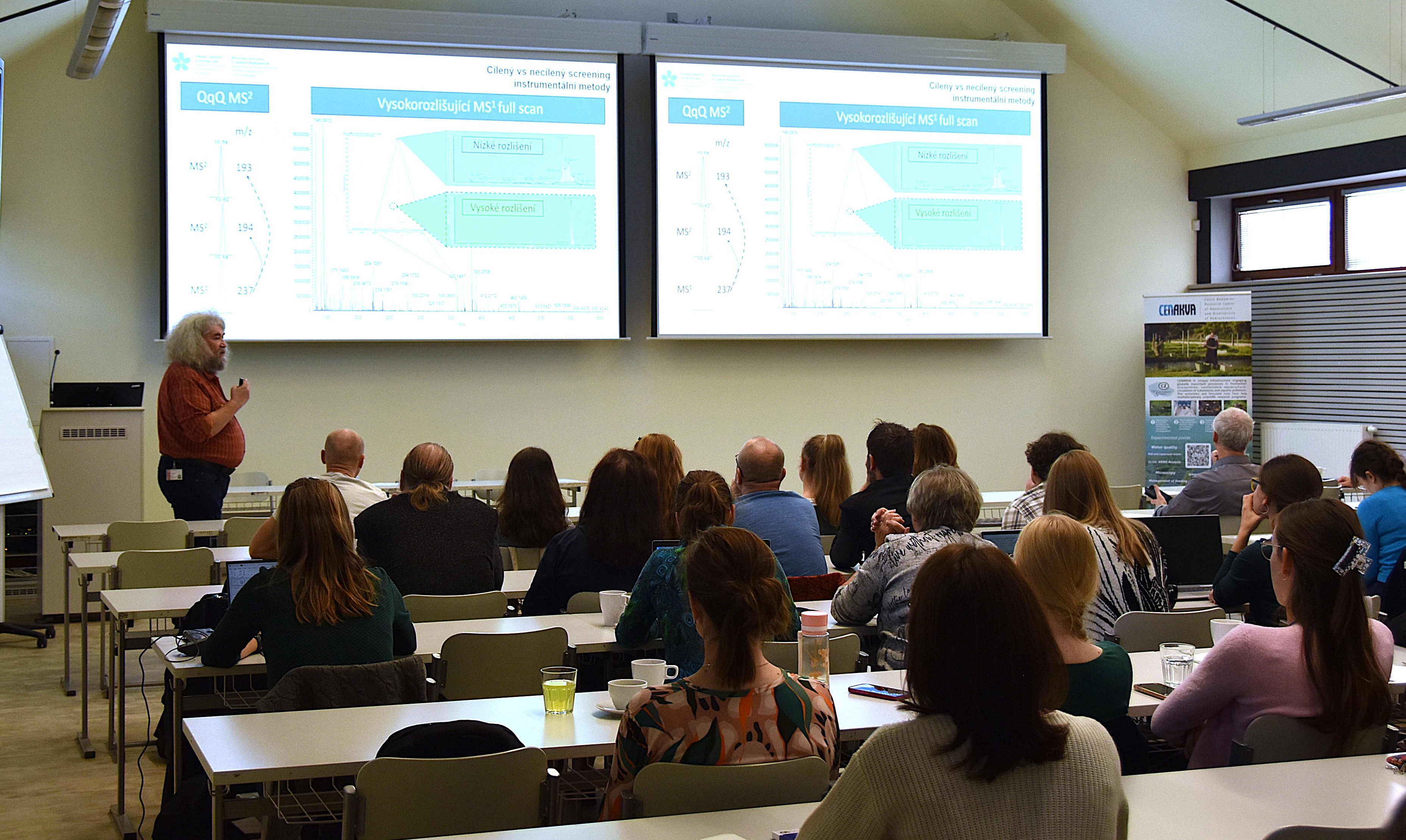
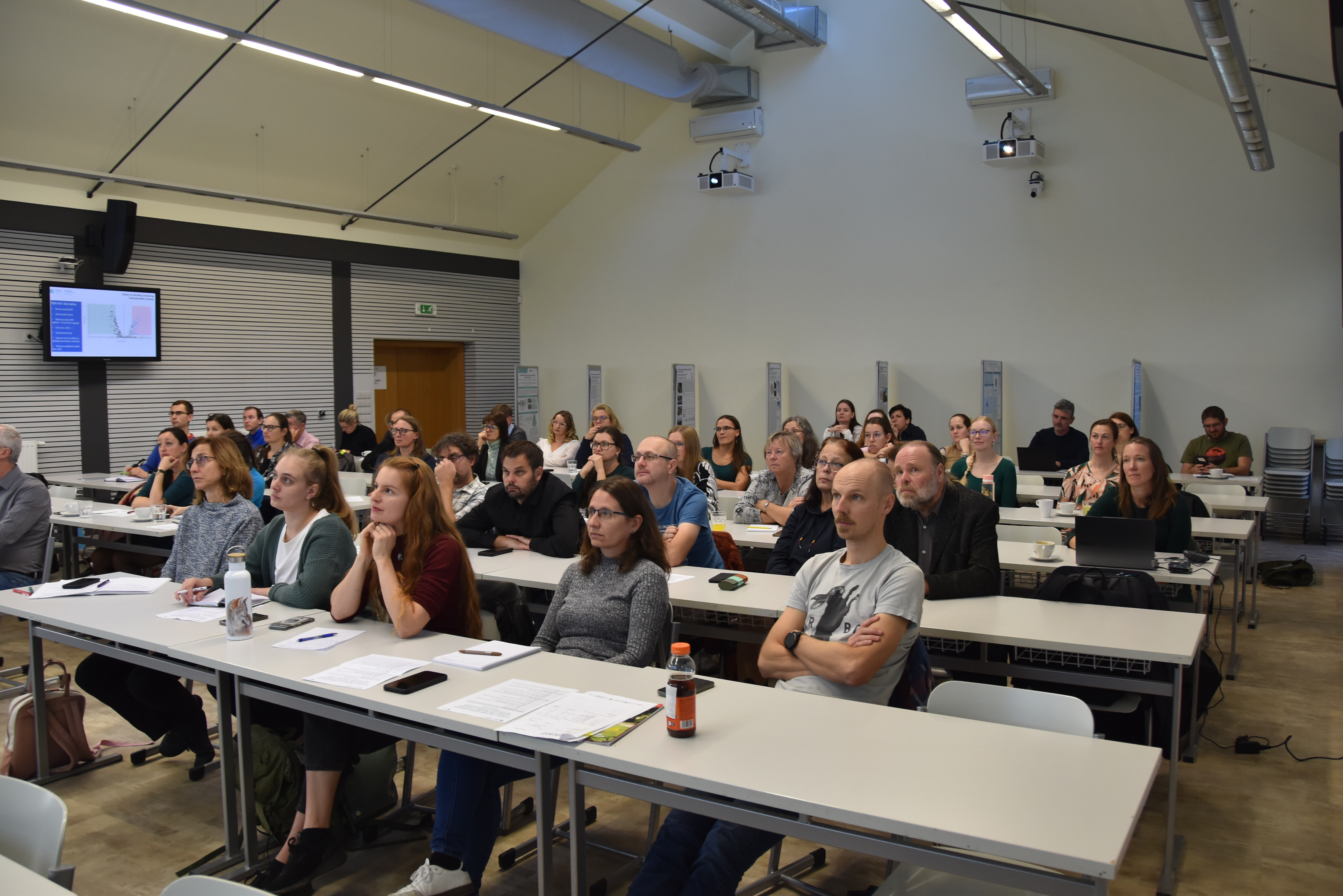
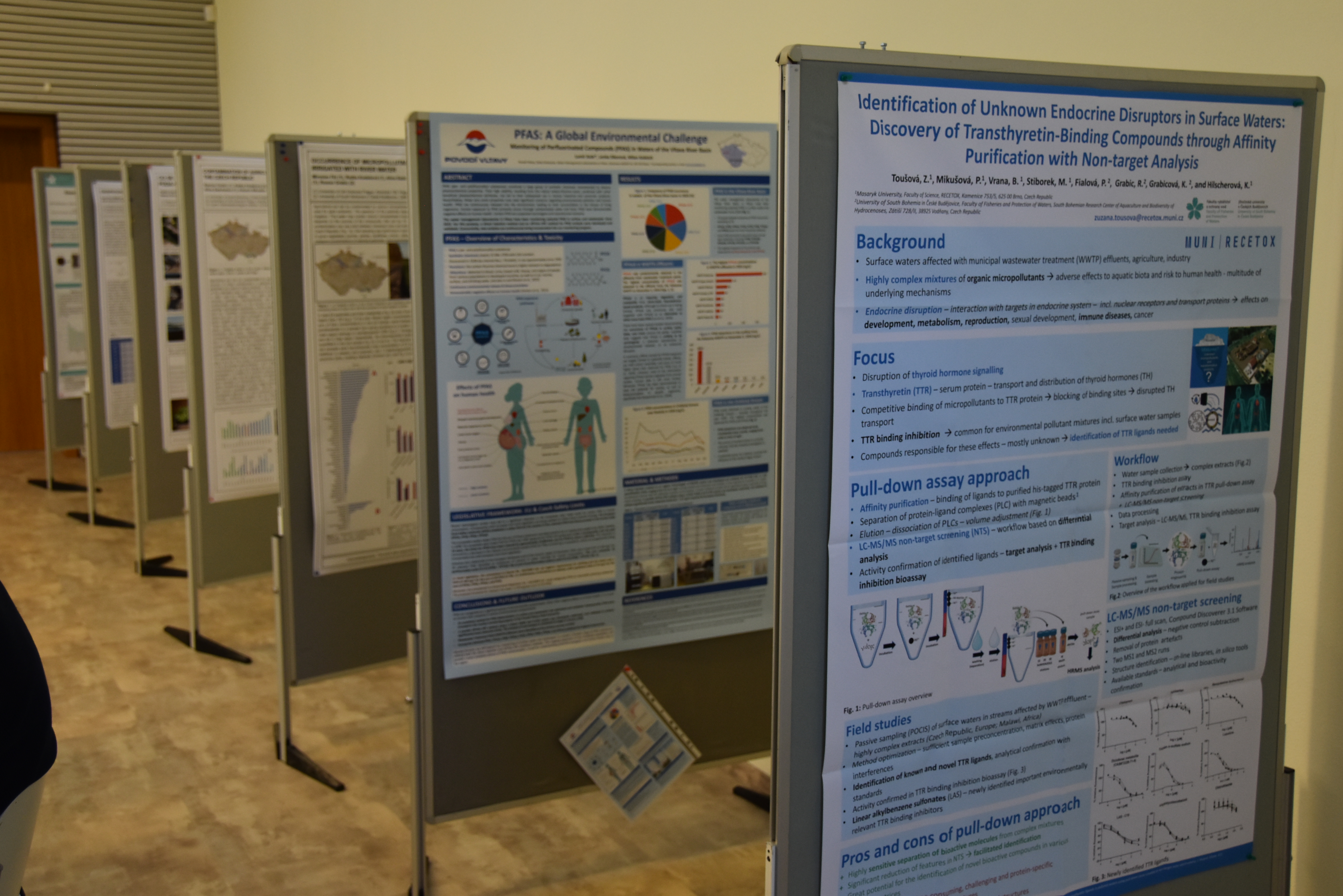
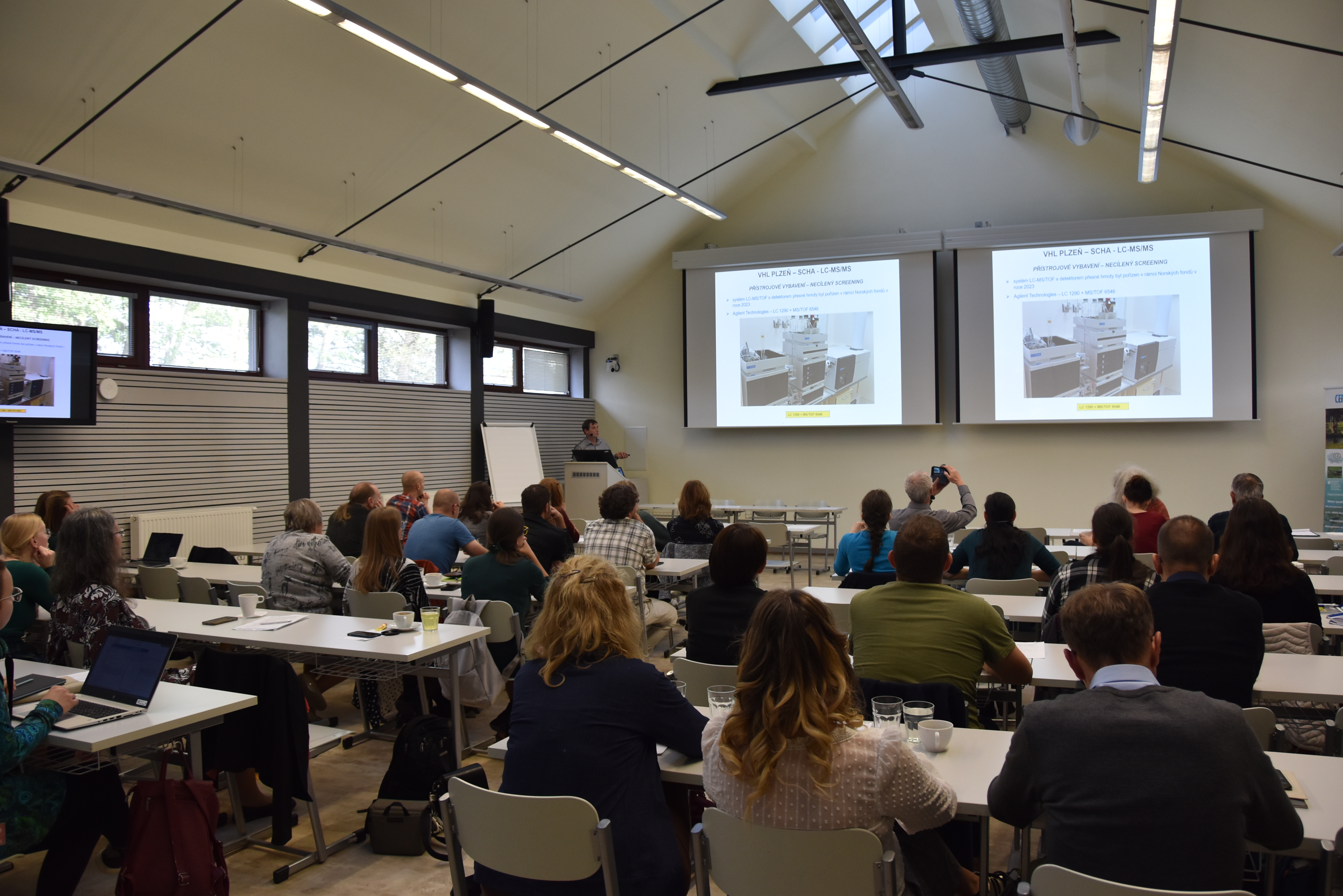
Fakulta rybářství a ochrany vod Jihočeské univerzity v Českých Budějovicích uspořádala dne 21. 10. 2025 workshop na téma Co nevíme o organickém znečištění zdrojů pitné a závlahové vody: Identifikace emergentních sloučenin pomocí necíleného screeningu(č. projektu QK23020018). Workshop byl určen pro zájemce z řad odborné veřejnosti (akademické i komerční sféry), které zajímají nové postupy identifikace sloučenin pomocí necíleného screeningu ve vodním životním prostředí.
V rámci workshopu byl nejprve představen právě končící projekt, na jehož řešení se podílí jako hlavní příjemce FROV JU (R. Grabic), dále Česká zemědělská univerzita (R. Kodešová) a Český hydrometeorologický ústav (V. Kodeš). Dále byly prezentovány a diskutovány dosažené výsledky a poznatky týkající se možností kontaminace zdrojů vody ze závlahové vody, dále využití necíleného screeningu v kombinaci s pasivním vzorkováním povrchových a podzemních vod. Odpoledne pak patřilo pozvaným přednáškám kolegů z Povodí Vltavy, s.p., a z RECETOXu, kteří navázali se svými zkušenostmi s monitorováním mikropolutantů ve vodním životním prostředí. Workshop byl zakončen diskuzí věnovanou implementaci získaných poznatků do praxe.
Workshop byl uspořádán prostřednictvím podpory z Ministerstva zemědělství, Národní agentury pro zemědělský výzkum, zúčastnilo se jej 50 osob.
- Fotogalerie:
- Štítky:
FROV
On October 21, 2025, the Faculty of Fisheries and Protection of Waters of the University of South Bohemia in České Budějovice organized a workshop on What We Don't Know About Organic Pollution of Drinking and Irrigation Water Sources: Identification of Emerging Compounds Using Non-Targeted Screening (project no. QK23020018). The workshop was intended for interested members of the professional public (both academic and commercial spheres) who are interested in new methods of identifying compounds using non-targeted screening in the aquatic environment.
The workshop began with a presentation of the project, which is currently coming to an end, with FROV JU (R. Grabic) as the main beneficiary, along with the Czech University of Life Sciences (R. Kodešová) and the Czech Hydrometeorological Institute (V. Kodeš). The results and findings achieved regarding the possibility of contamination of water sources from irrigation water and the use of non-targeted screening in combination with passive sampling of surface and groundwater were also presented and discussed. The afternoon was devoted to guest lectures by colleagues from Povodí Vltavy, s.p., and RECETOX, who shared their experiences with monitoring micropollutants in the aquatic environment. The workshop concluded with a discussion on the practical implementation of the knowledge gained.
The workshop was organized with the support of the Ministry of Agriculture, National Agency for Agricultural Research, and was attended by 50 people.