Business trip report, Slovakia – winter mobile telemetric monitoring of fish in the Old Danube as part of the LIFE Living Rivers project
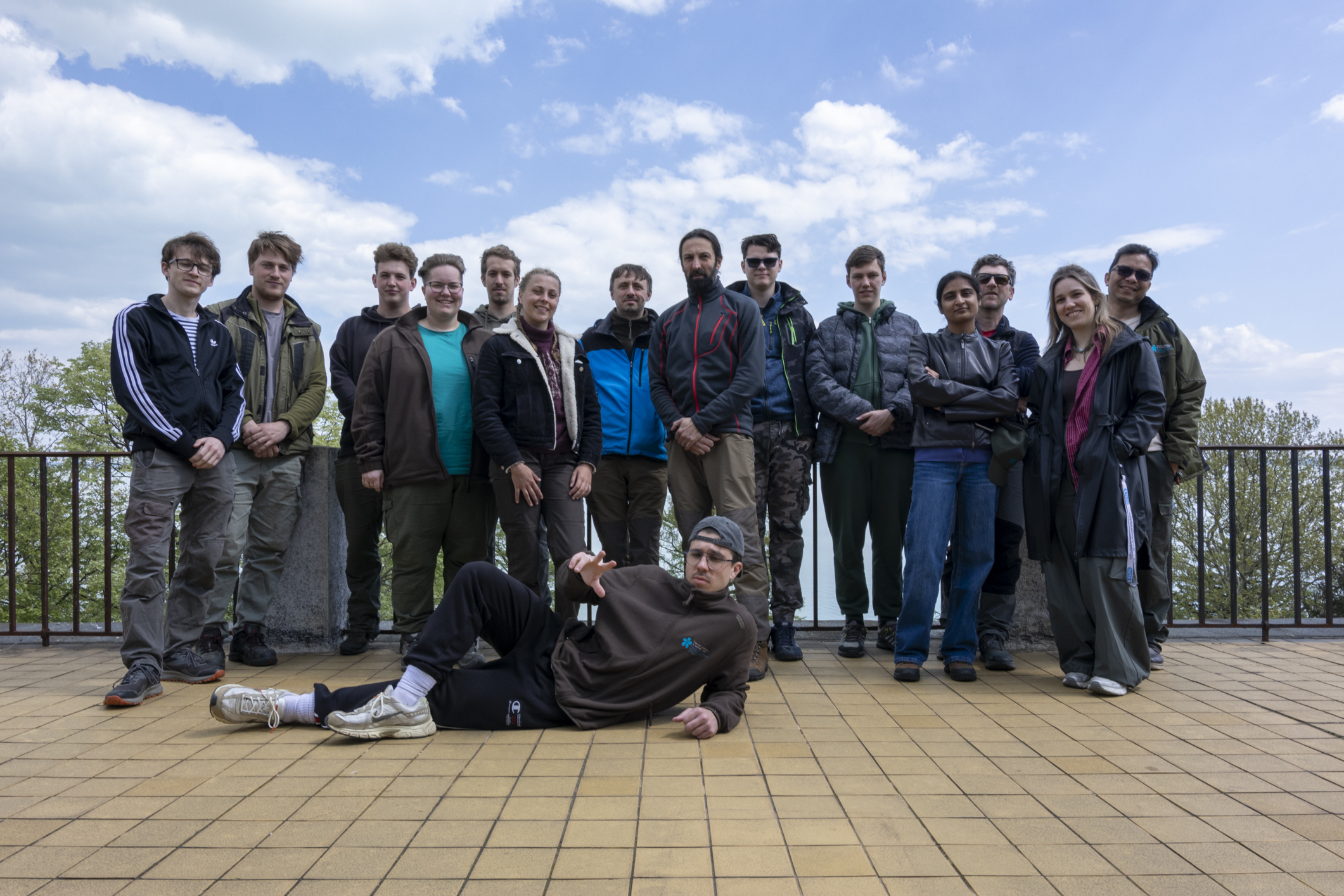
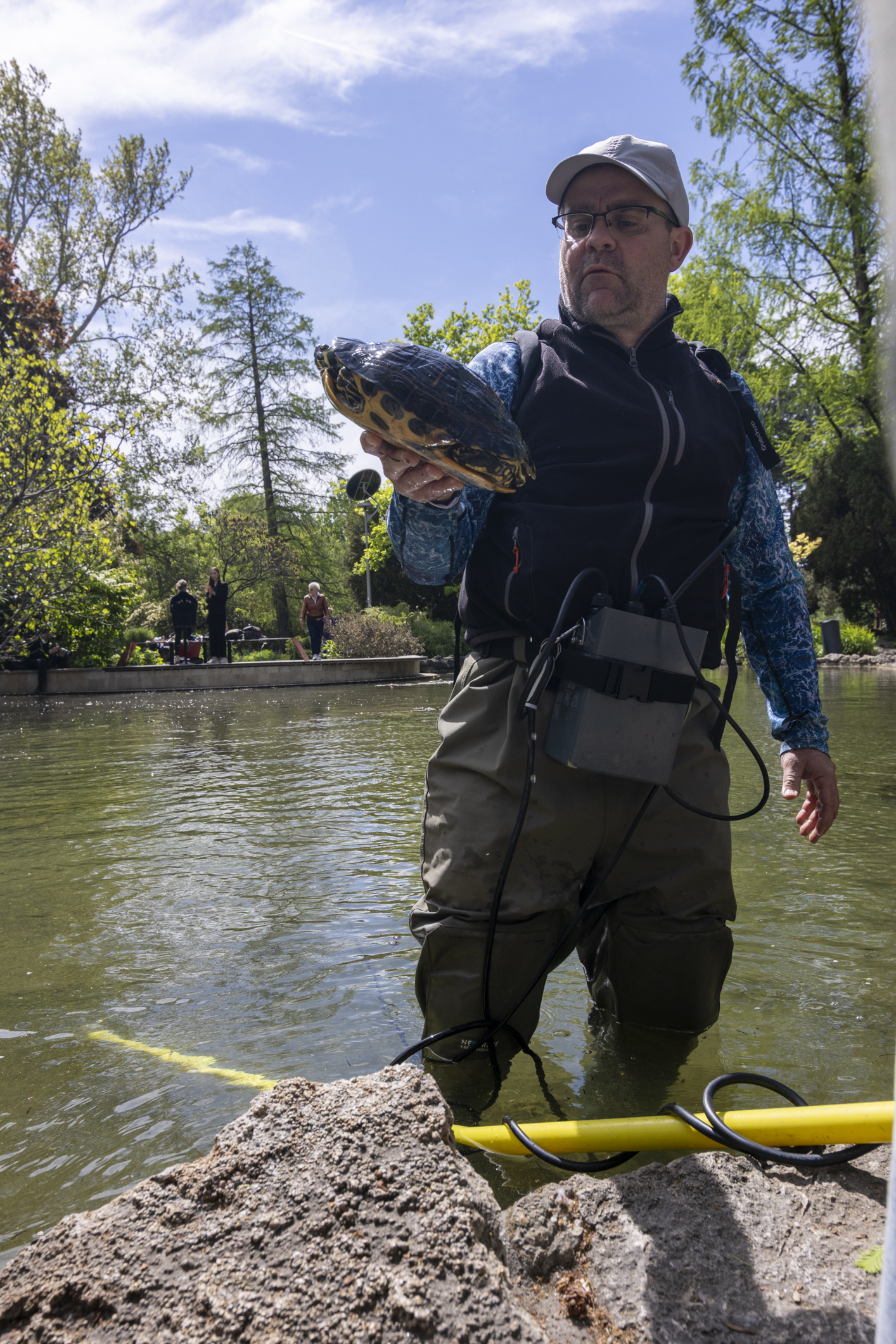
From January 30 to February 1, 2026, Bořek Drozd (FROV JU) undertook a business trip as part of the LIFE Living Rivers project (101069837/LIFE21-IPE-SK-Living Rivers), focused on fulfilling task T.6.4. aimed at the current migration passability of the Gabčíkovo barrage system (Slovakia). Winter mobile telemetric monitoring of tagged fish (sterlet, barbel, asp) was carried out from a boat along the entire section of the former Danube riverbed between Čunovo and Sáp, including the end sections of both the Slovak and Hungarian side river branch systems and further in the Outflow Channel of the Gabčíkovo hydroelectric power plant.
In the Old Danube, the most valuable parts of the river in terms of the occurrence of wintering grounds for rheophilic fish species were repeatedly identified. The data from the telemetric research will then be used to propose measures to make both the Čunovo and Gabčíkovo waterworks passable.
RNDr. Bořek Drozd, Ph.D.
- Fotogalerie:
- Foto:
- Foto:
Aigen-Schlägl, Austria; Buřič, Kubec, Vlk, Szydłowska, Aldorf
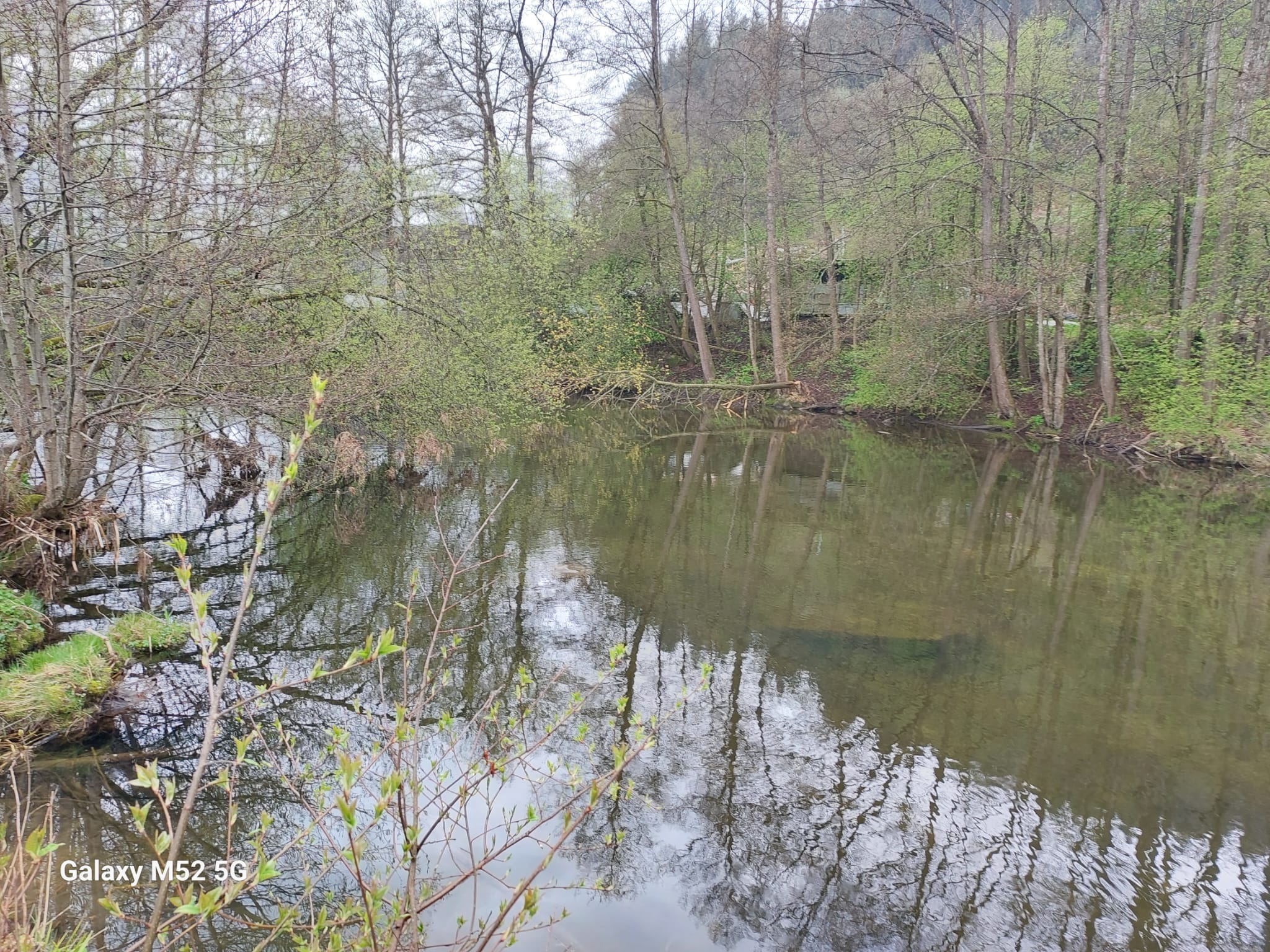
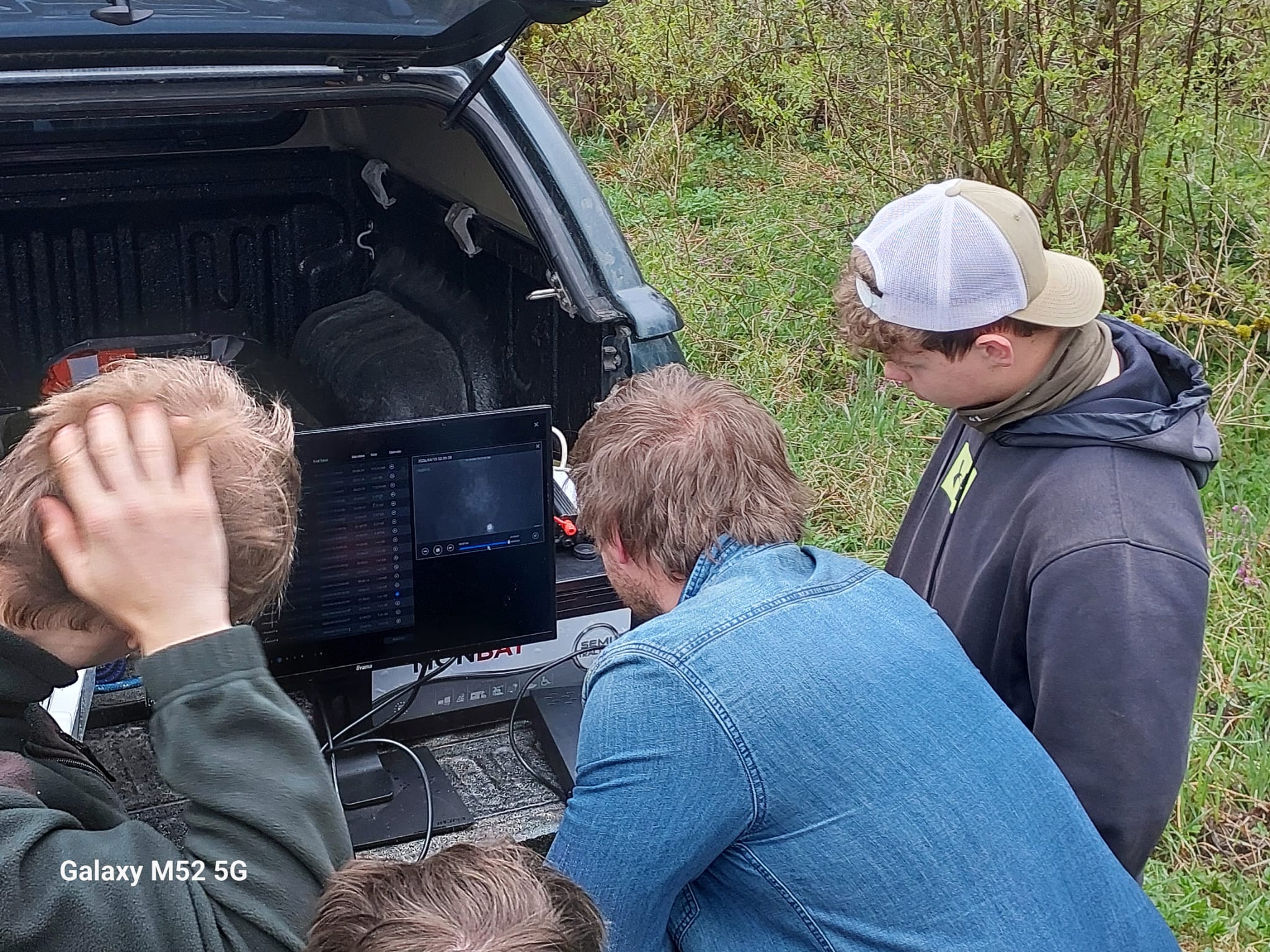
On 15–16 April 2026, field research was carried out on the Große Mühl River. The aim was to install a camera system for monitoring grayling (Thymallus thymallus) spawning grounds, including the potential assessment of the signal crayfish (Pacifastacus leniusculus), complemented by the installation of crayfish traps upstream and downstream of the spawning site to verify their presence.
The activities also included a field excursion at the pilot site for students of the Secondary Fish Farming School in Vodňany and High school in Vodňany, during which students were introduced by faculty experts to fieldwork practices, monitoring methods, current research topics, and the scope of the project.
The activity was carried out within the project ATCZ00180 Living Treasures / Živé poklady bystřin a tůní (INTERREG Austria–Czech Republic 2021–2027).
- Fotogalerie:
- Foto:
- Foto:
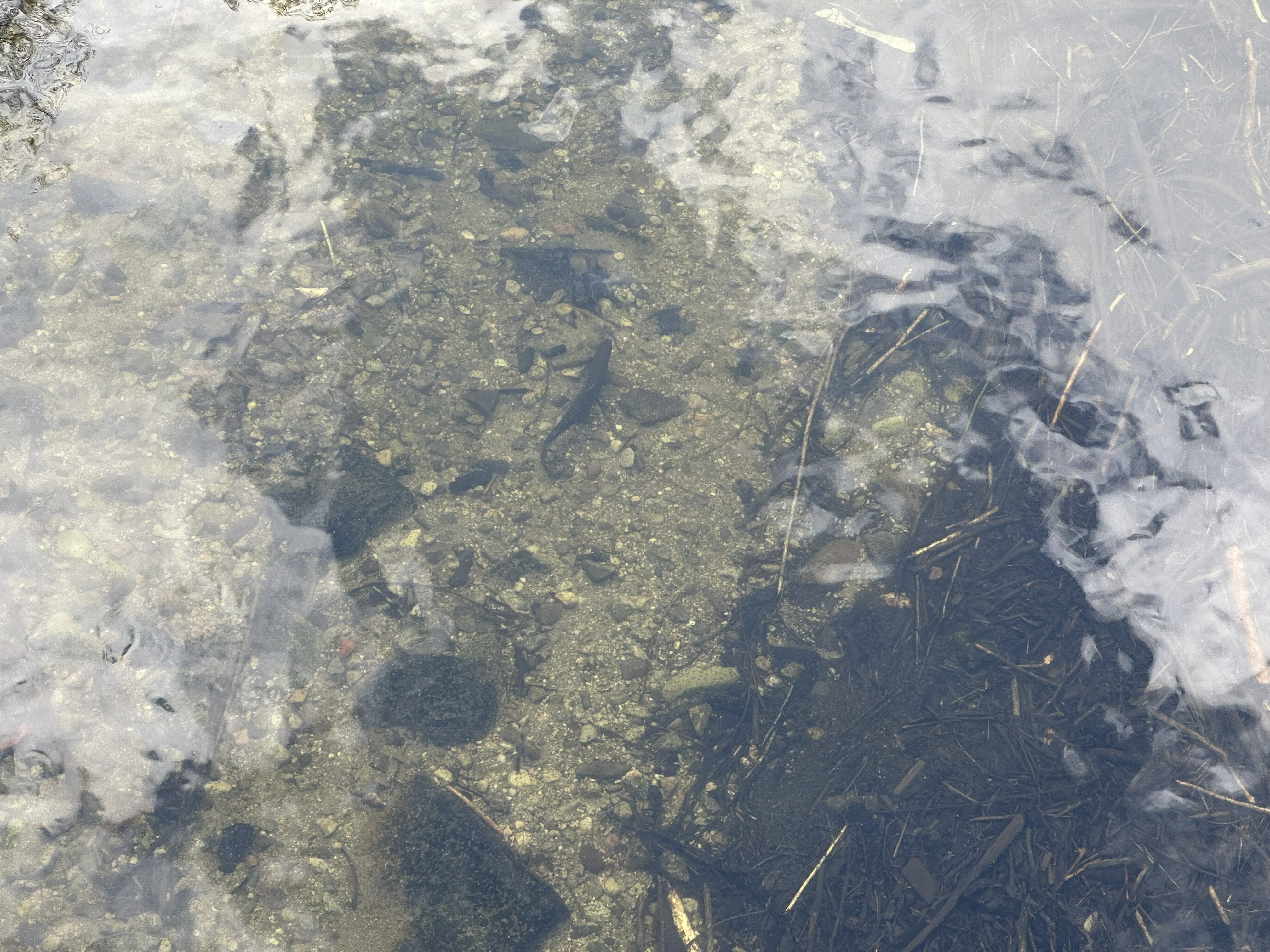
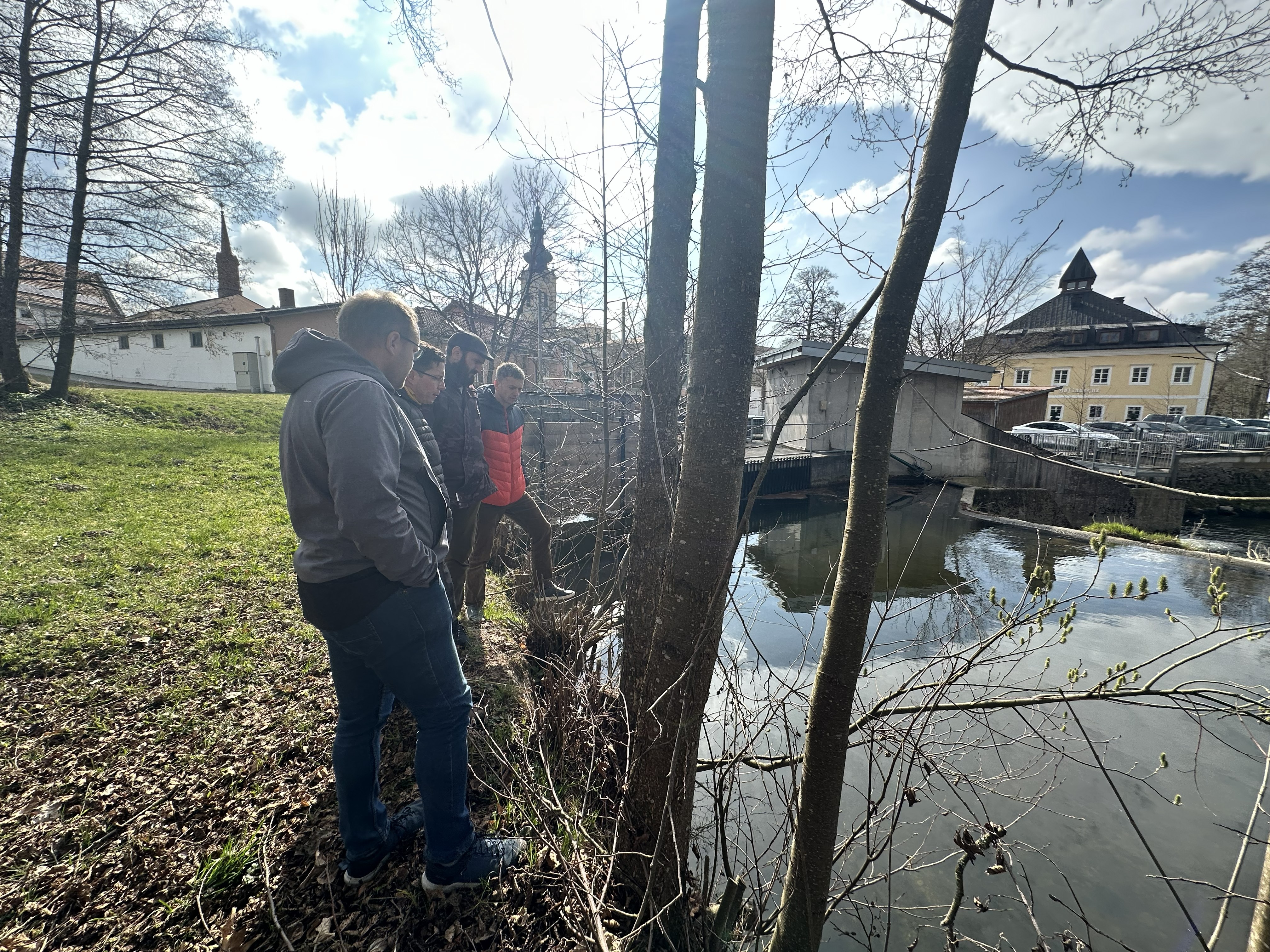
On 1 April 2026, a meeting was held at the Große Mühl River (Austria) with the participation of FROV JU (Szydłowska, Burič, Císař, Koliada) and BOKU (Hauer). The aim was to visit grayling (Thymallus thymallus) spawning sites and to plan the installation of a camera system for monitoring spawning grounds, including the assessment of the signal crayfish (Pacifastacus leniusculus), which may disturb spawning habitats and threaten eggs through direct predation, as documented in salmonid species.
The discussion also included planning of further research, including the possible installation of an automated fish pass monitoring system capable of determining the number and species of migrating fish using camera-based machine learning.
The activities were carried out within the project ATCZ00180 Living Treasures / Živé poklady bystřin a tůní (INTERREG Austria–Czech Republic 2021–2027).
- Fotogalerie:
- Foto:

- Foto:
- Štítky:
FROV
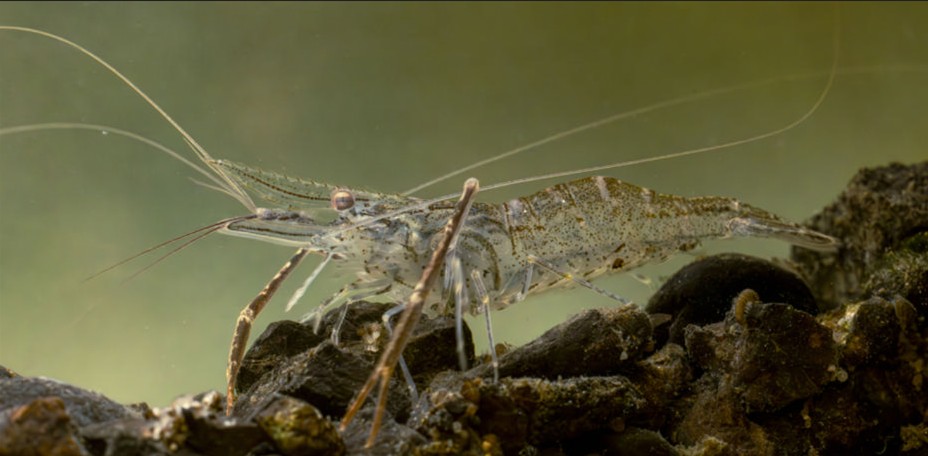
From 22 to 24 March 2026, I undertook a business trip to Brussels, the main purpose of which was to participate in expert meetings focused on assessing the invasiveness of eight selected non-native species. These discussions represent some of the initial steps that could, in the future, lead to their inclusion on the list of invasive alien species of Union concern, commonly referred to as the “Union list”.
This list includes species that are non-native to the EU as a whole, for which negative impacts are either already documented or highly likely, that have the capacity to spread across Member States, and for which effective measures exist to prevent or mitigate their introduction, spread, and adverse impacts.
The issue of non-native crustaceans is currently of particular importance, not only in the context of ongoing ecological and climate change, but also due to the rapid spread of several key species across Europe. Our participation was highly valued thanks to our long-standing scientific outputs in this field. Among the assessed species were the Florida crayfish (Procambarus alleni), whose first and, to date, only European population we recorded in Hungary in 2018 (original article here), and the Oriental river prawn (Macrobrachium nipponense), whose first occurrences in Central Europe—specifically in Germany and Hungary—were recorded by our team in 2023 (original article here).
Owing to our close engagement with the subject, long-term primary data collection, extensive international collaboration, and scientific publications, we can provide uniquely relevant information that has a direct impact on European decision-making in the field of water protection and biodiversity conservation.
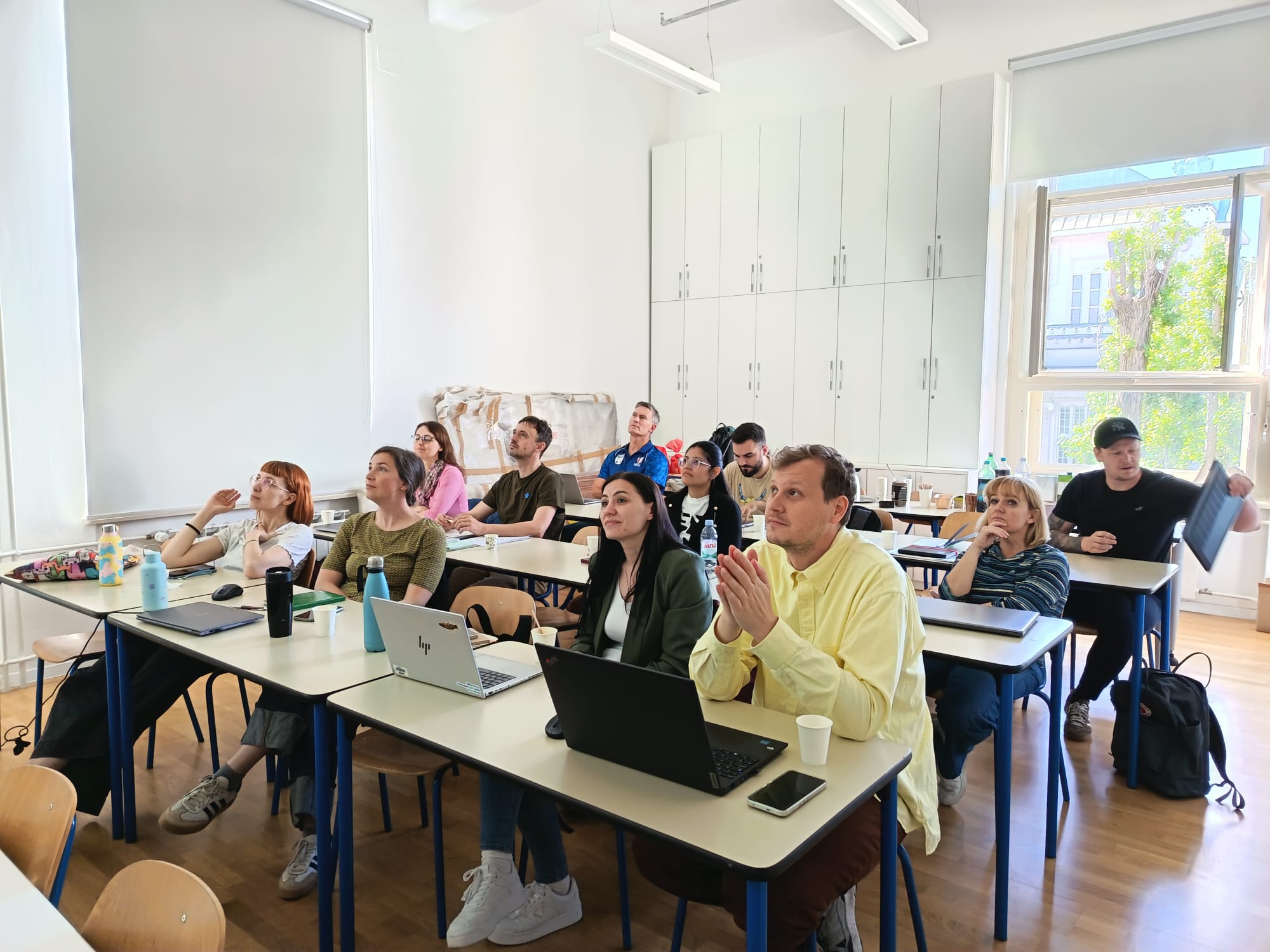
A team from the Laboratory of Freshwater Ecosystems, consisting of Miloš Buřič, Martin Bláha, Lukáš Veselý, and Jakub Kocour, participated in the “6th Croatian Symposium on Invasive Species,” held in Zagreb, Croatia, on 24–25 November 2025. The conference focused on issues related to invasive species in both aquatic and terrestrial ecosystems. The programme included both oral and poster presentations.
Below is an overview of the presentations delivered by our team:
- Miloš Buřič
– oral presentation: AGAINST THE ODDS – THE DENSITY MATTERS WHEN COMPARING THE EFFECTS OF SIGNAL AND NOBLE CRAYFISH ON SALMONIDS
– poster: TOPMOUTH GUDGEON Pseudorasbora parva (TEMMINCK & SCHLEGEL, 1846) AS A POTENTIAL THREAT TO CRAYFISH IN PONDS
- Lukáš Veselý
– oral presentation: WHAT DO SIGNAL CRAYFISH (Pacifastacus leniusculus, Dana 1852) REALLY FEED ON IN A FISHPOND ECOSYSTEM? CASE STUDY FROM THE KAČLEŽSKÝ FISHPOND
- Fotogalerie:
- Foto:
- Foto:
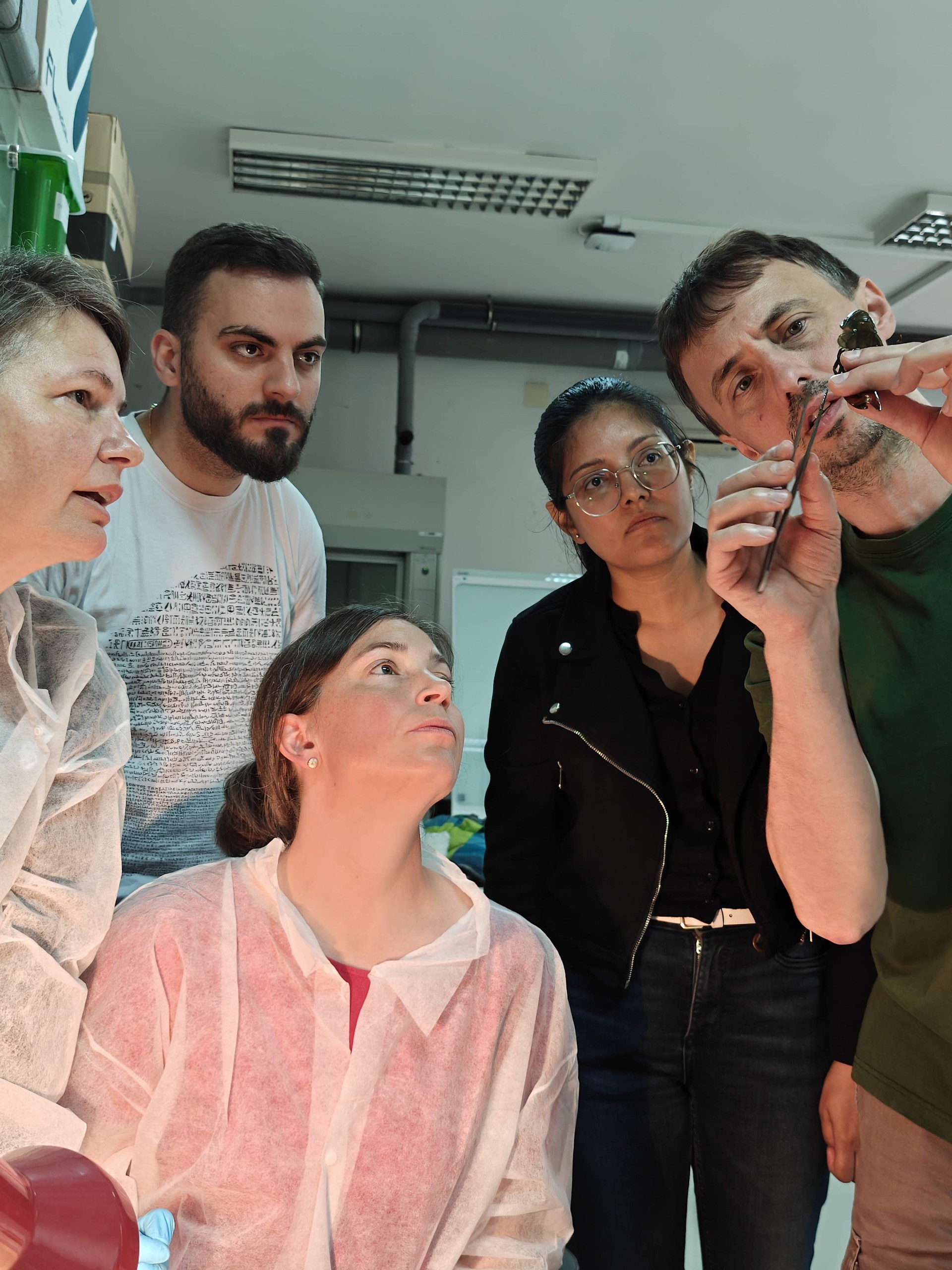
From 5 to 8 May, Davinder Kaur, Anna Koubová and Antonín Kouba visited Zagreb, Croatia, to participate in a workshop organised as part of the ViroCray project, in which Antonín Kouba serves as the Czech principal investigator. We attended the meeting as members of the Czech research team, contributing to joint discussions on the project’s activities.
The workshop brought together researchers involved in the project and provided an opportunity to present ongoing work, discuss field trip experiences, and review laboratory procedures. Key topics included crayfish dissection, RNA extraction, the proper organisation and storage of samples and records, and data management.
In addition, the workshop included detailed discussions of protocols with partners from Slovenia, Croatia and the USA. Participants exchanged information on methods used in different regions, ethical requirements, and the selection of crayfish sampling sites, which helped to improve understanding of local approaches and project standards.
The visit also strengthened collaboration among team members by creating opportunities for direct communication, shared problem-solving, and coordination across international partners. Overall, the workshop proved valuable both for the scientific progress of the ViroCray project and for the development of effective teamwork within the consortium.
Written by Davinder Kaur
- Fotogalerie:
- Foto:

- Foto:

- Štítky:
FROV
For three months, I was privileged to be part of Professor René Sahm’s lab as an intern at Kassel University. I had the chance to experience working alongside people who helped me learn techniques in handling juveniles of thick-shelled river mussel Unio crassus, seeing how conservation science is approached in a different country and realizing how much perspective shapes the way problems are solved.
Outside the lab, the city of Kassel itself became part of the experience, wandering the streets, exploring parks, and talking with locals gave a sense of connection. These activities reminded me that experiencing the culture is just as important as academic growth.
Looking back, the experience was more than just an academic internship; it was a journey that blended scientific work with cultural exploration. Not only gaining new skills and knowledge, but also with memories of the people and places that made the experience both grounding and inspiring.
- Fotogalerie:
- Foto:
 , Text k fotce:
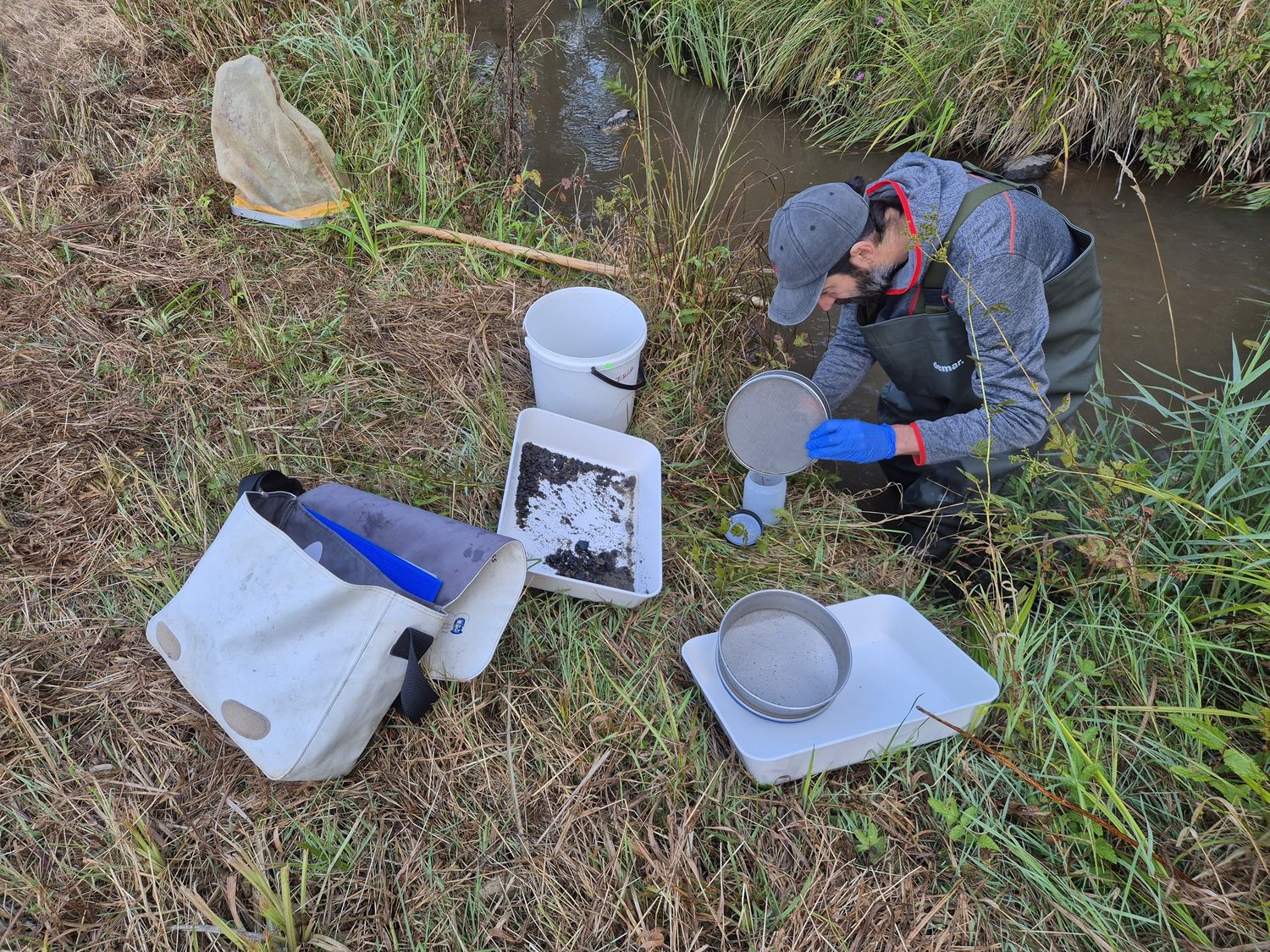
Martin Bláha is processing a sample of macrozoobenthos.
, Text k fotce:
Martin Bláha is processing a sample of macrozoobenthos. - Foto:
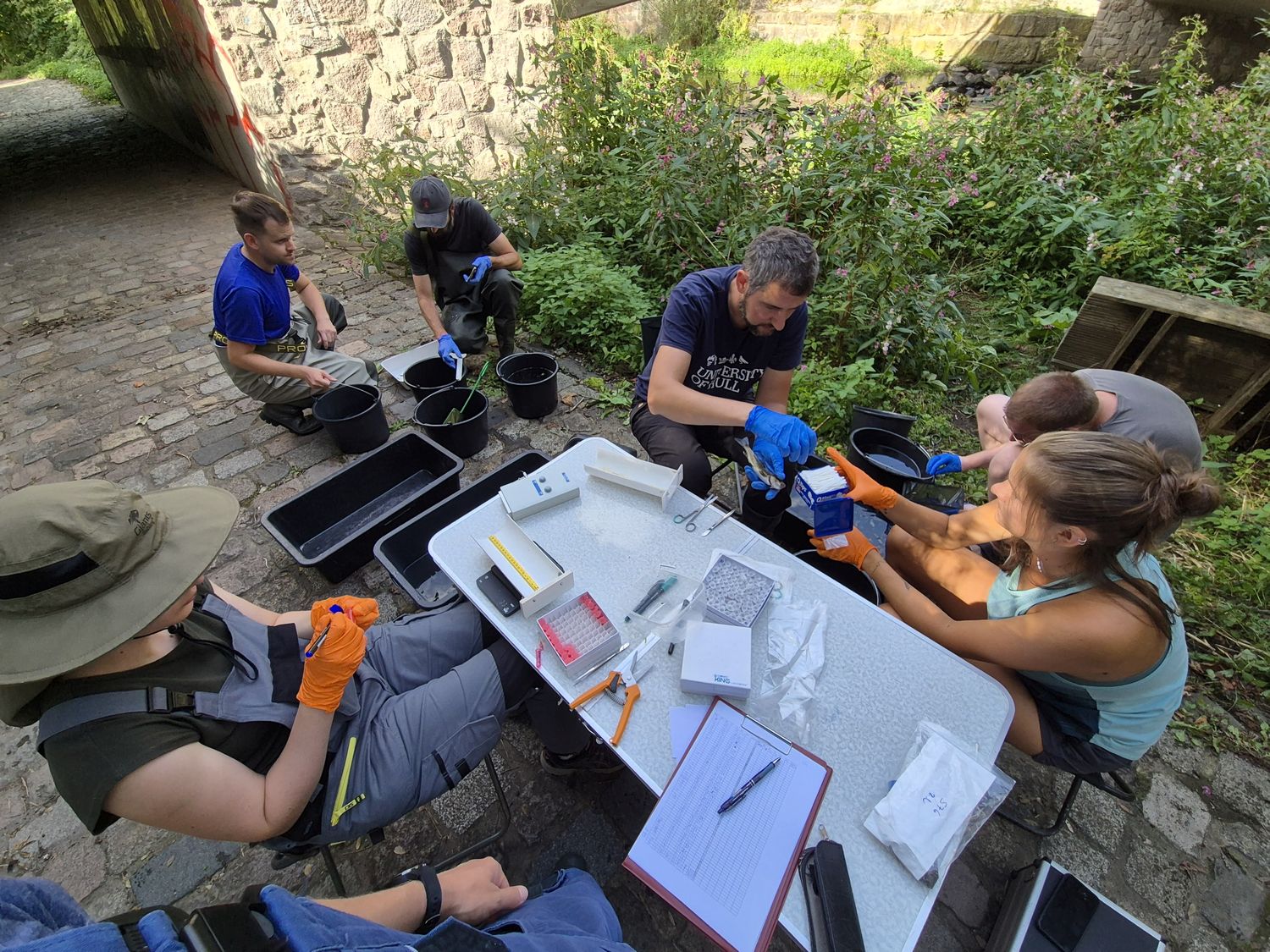 , Text k fotce:
Team measuring and taking samples from fish for genetic and parasitological analysis.
, Text k fotce:
Team measuring and taking samples from fish for genetic and parasitological analysis. - Foto:
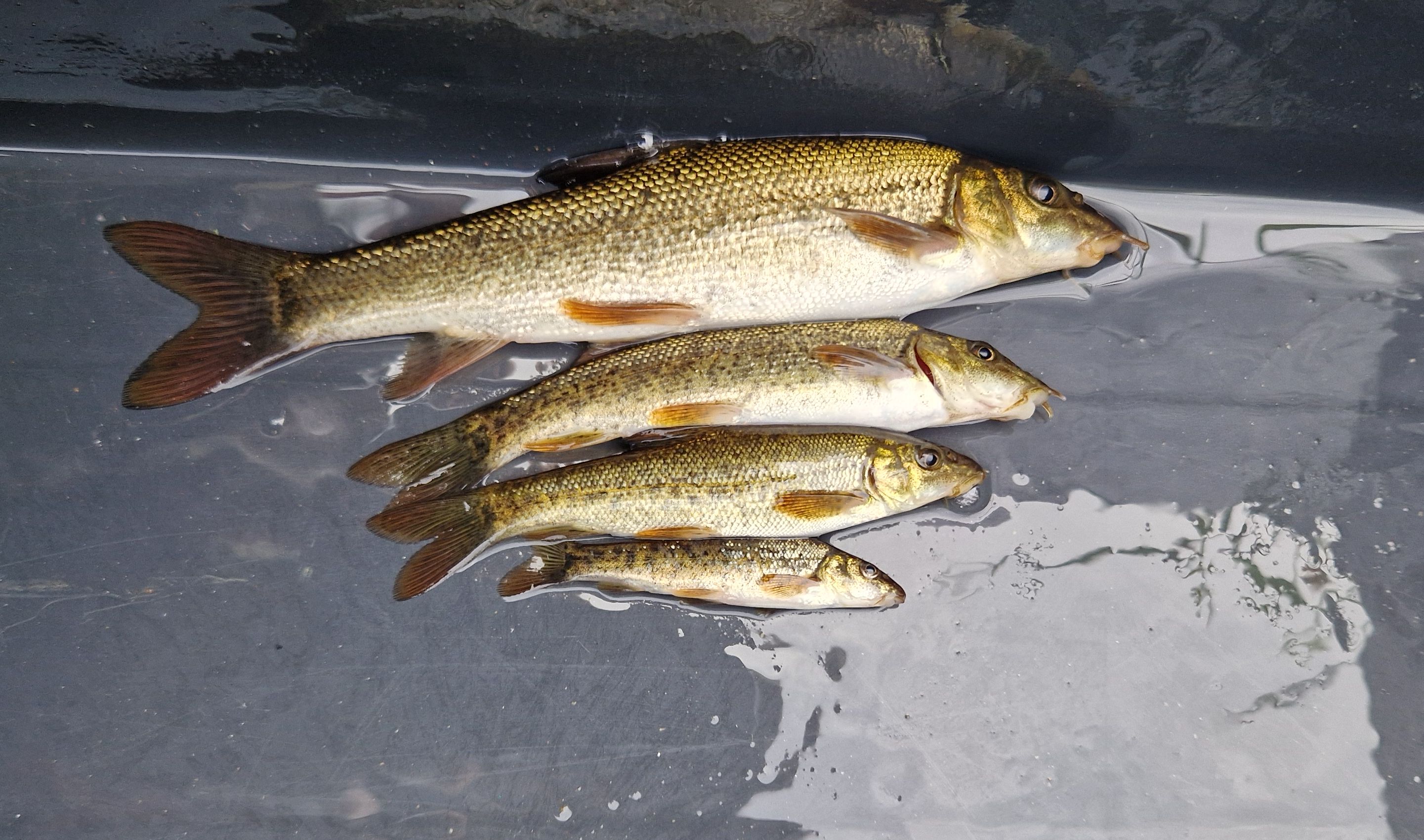 , Text k fotce:
Several age categories of common barb from Chemnitz River.
, Text k fotce:
Several age categories of common barb from Chemnitz River. - Foto:
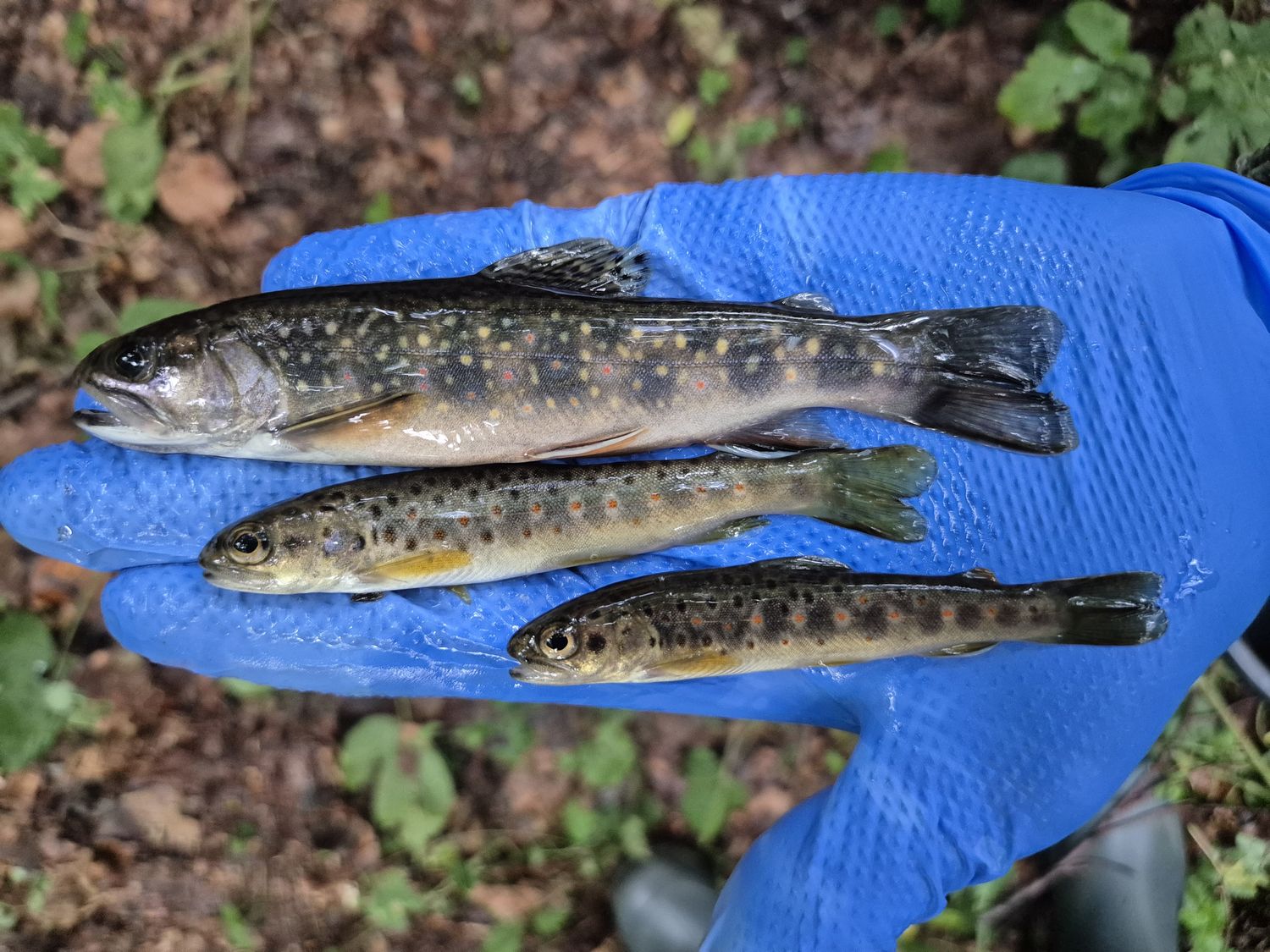 , Text k fotce:
Broen trout and brook trout from the brook Friedrichsbach.
, Text k fotce:
Broen trout and brook trout from the brook Friedrichsbach. - Foto:
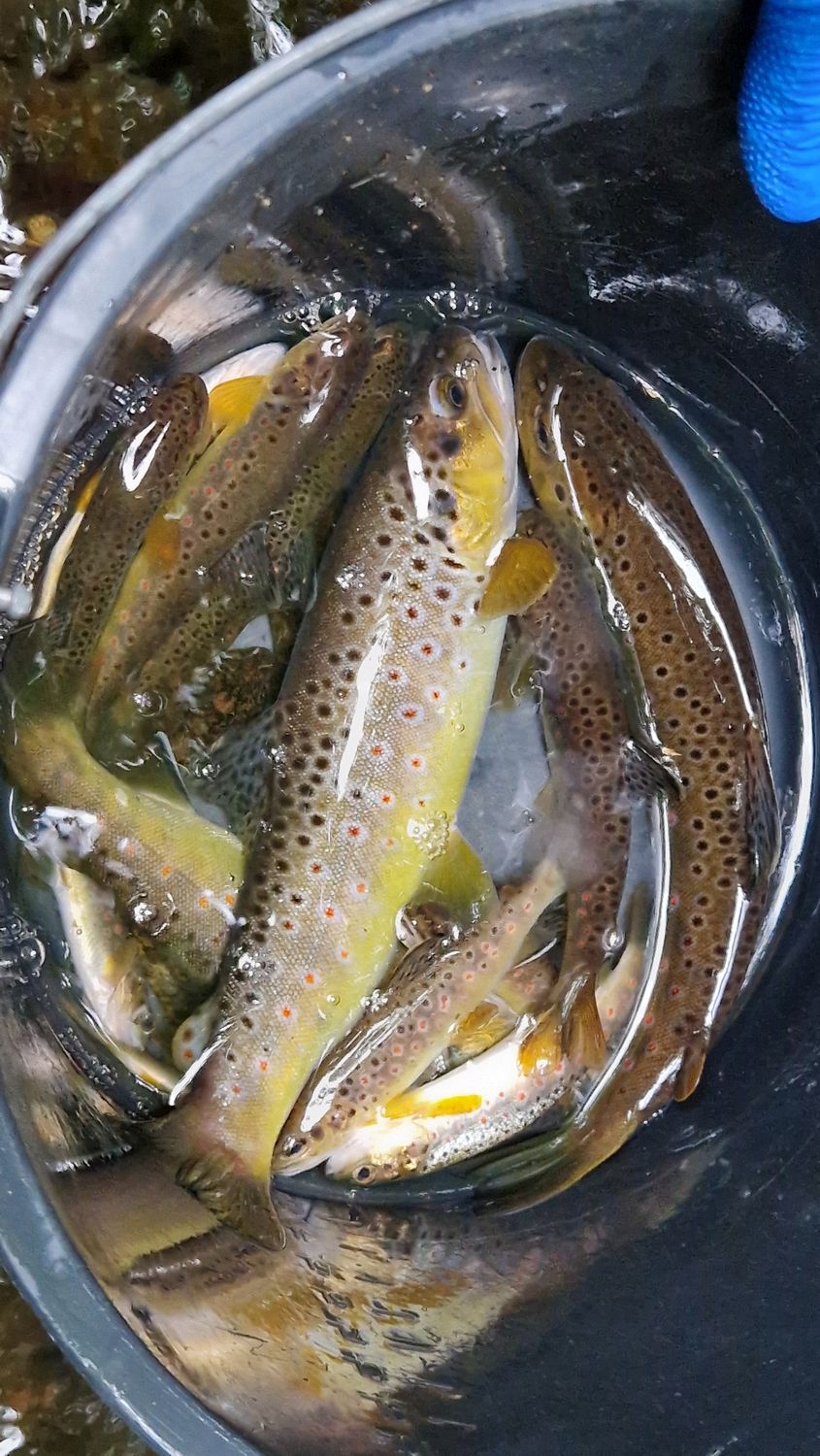 , Text k fotce:
Brown trouts before releasing back to the stream.
, Text k fotce:
Brown trouts before releasing back to the stream.
- Štítky:
Mezinárodní spolupráce
Between 31 August and 4 September, and subsequently from 7 to 10 September, Martin Bláha took part in fish monitoring and the sampling of macrozoobenthos communities in watercourses in Saxony as part of the new Interreg project OREaqua, together with colleagues from the Biology Centre of the Czech Academy of Sciences in České Budějovice. This project focuses on the analysis of fish communities and the genetic population structure of brown trout, as well as the assessment of macrozoobenthos communities and potential parasites of salmonids. On the Saxonian side, representatives from the Technical University of Dresden and the Saxon State Agency for Nature, Environment and Consumer Protection in North Rhine-Westphalia (LANUV) are taking part. Over the course of these 14 days, 29 sites were visited, predominantly on the Saxon side from the Aš to Dresden, where fish monitoring was carried out, and samples of macrozoobenthos and eDNA were collected. Sampling will continue over the next four weeks, with further colleagues from FROV taking part. Part of samples from this intensive sampling campaign will subsequently be processed in FROV’s molecular laboratories.
- Fotogalerie:
- Foto:
- Foto:
- Štítky:
FROV
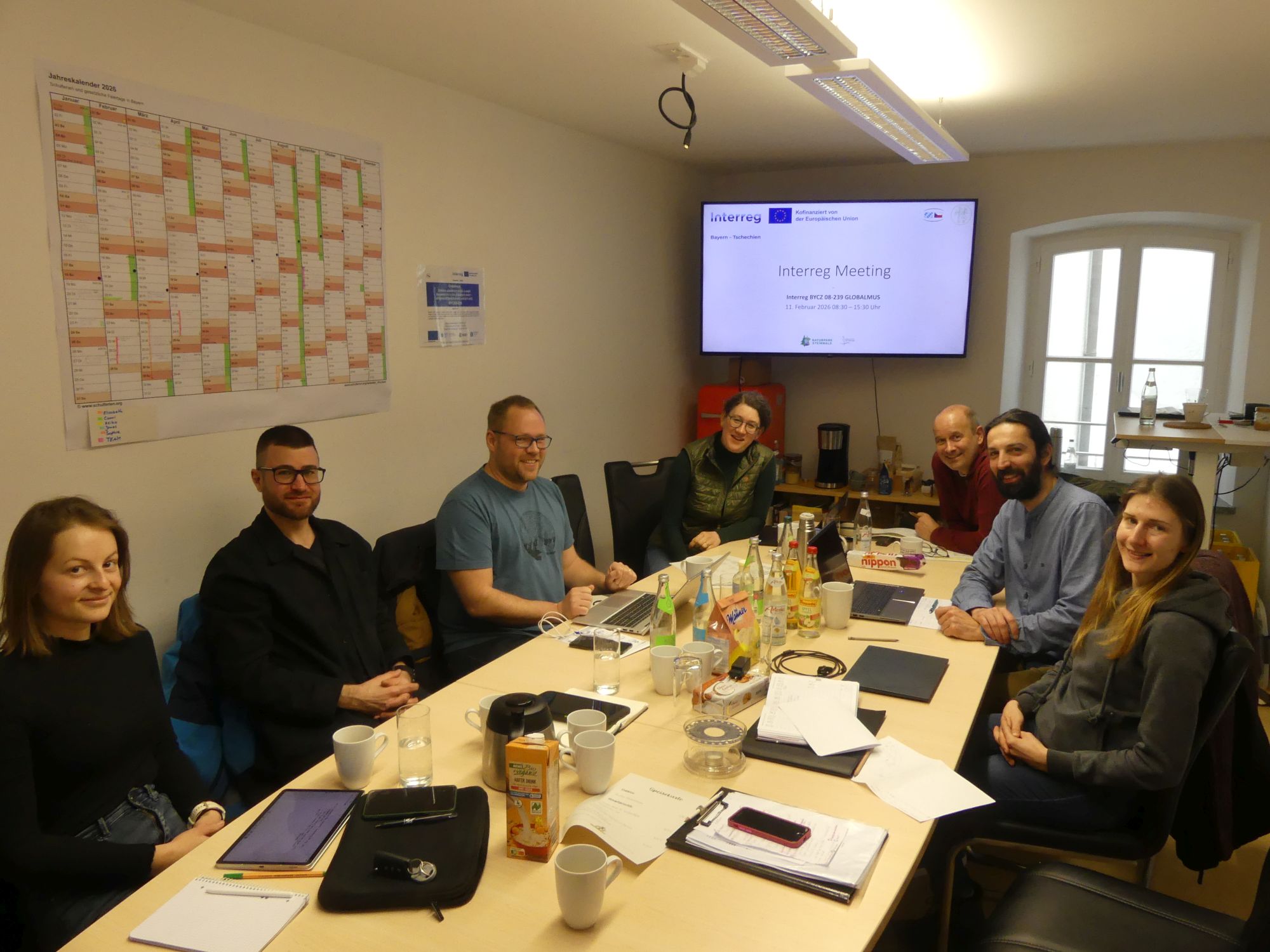
On February 10-11, Miloš Buřič and Martin Bláha participated in the first official project meeting of the BY-CZ Interreg project GLOBALMUS - Protection of native species and water management in the era of global change - support of key species of large bivalves. The meeting was held at the park office in Fuchsmühl. In addition to representatives of the FFPW USB, the meeting was attended by Elisabeth Frank, director of the nature park, Andreas Dobler, a member of the Coordination Group for the Protection of Bivalves in Bavaria (MUKO), and other colleagues from the Naturpark. Details of the following activities for this year were discussed during the meeting. The project was also officially presented to the mayor of the town of Falkenberg, Matthias Grundler, Landrat Rolland Grillmeier and significant persons from local stakeholders and water managers. The town of Falkenberg will host the first conference meeting held on 18th June 2026.
Excursion to Hungary to See Unique Aquatic Ecosystems and Non-native Species
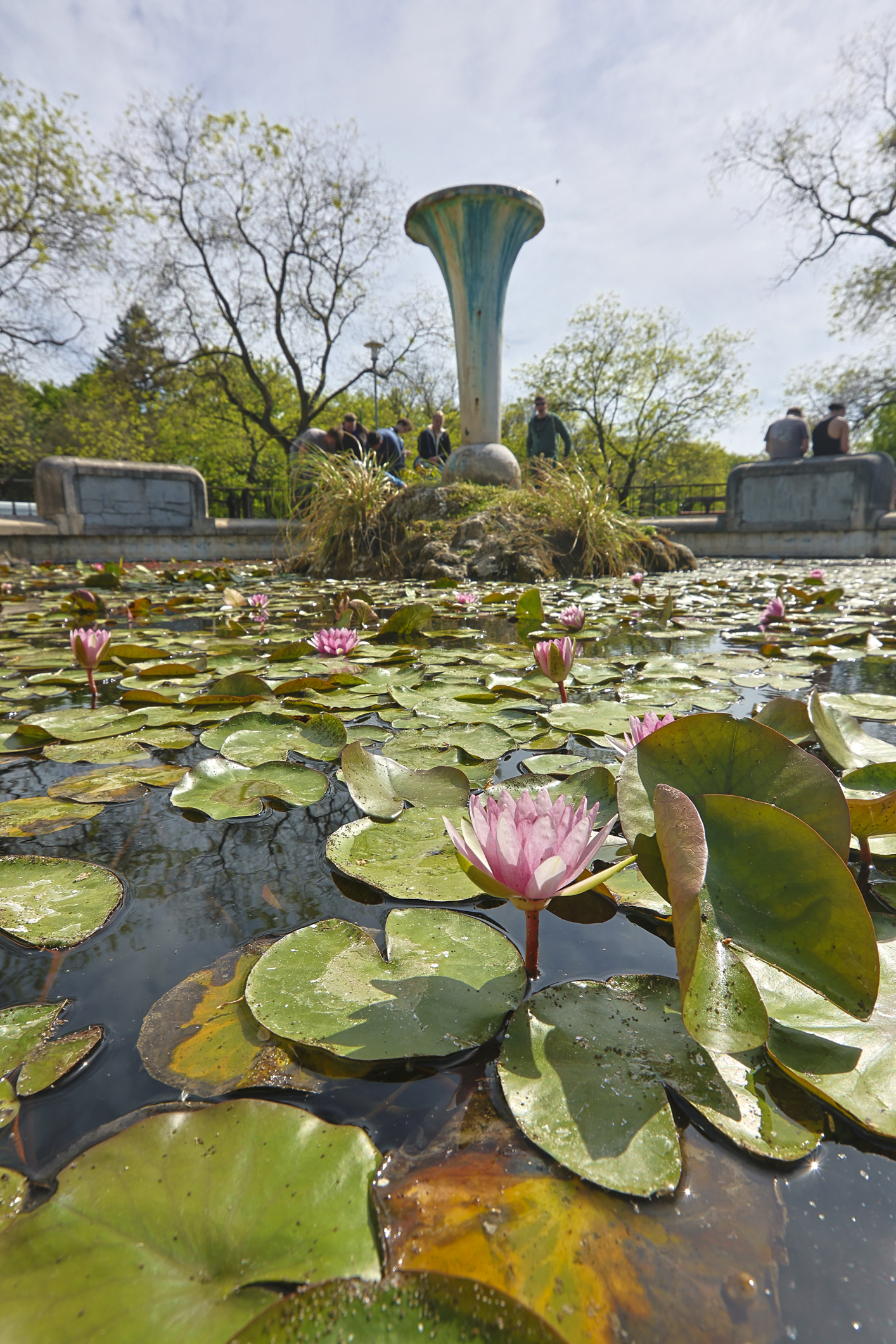
From 20 to 24 April 2026, students enrolled in courses focused on hydrobiology, the ecology of non-native organisms, and biological invasions took part in a professional field excursion to Austria and Hungary. Among other sites, they visited the Biological Station of Lake Neusiedl, the Kis-Balaton wetland system, Lake Hévíz—the largest thermal lake in the world suitable for swimming—and the Balaton Limnological Research Institute in Tihany.
The excursion focused on the study of unique freshwater ecosystems and on issues related to non-native and invasive species. Students had the opportunity to observe a wide range of rare animal species and to become familiar with practical aspects of research, monitoring, and management of aquatic ecosystems. The programme concluded with a discussion on the risks associated with the introduction of non-native species through trade in live organisms.
For the participants, the excursion represented a valuable opportunity to link theory with practice and made a significant contribution to their professional development.
Author: Lukáš Bartásek
- Štítky:
Mezinárodní spolupráce
Between October 8 and 11, 2025, a business trip took place to the HUN-REN Balaton Limnological Research Institute in Tihany, Hungary. The purpose of the visit was to attend an international meeting of researchers from Austria, the Czech Republic, Slovakia, Romania, Croatia, and Hungary, focused on the conservation of endangered fish species associated with wetlands and the preservation of Central European wetland ecosystems. Representing FROV, the participants were Szydłowska, Balzani, Buřič, and Fritsch from the Laboratory of Freshwater Ecosystems.
The meeting aimed to connect researchers and conservation professionals and to promote international cooperation in the field of wetland research and conservation. The program included scientific presentations, workshops focused on project development, and field excursions to selected sites around Lake Balaton. A session was also held for participants to share information about the ongoing ATCZ00180 Living Treasures project.
Participants agreed on the need to establish a long-term regional cooperation platform to support research, data sharing, and joint conservation initiatives, including the preparation of project proposals and studies.
Workshop on Invasive Crayfish Management
On 25–26 May 2026, Miloš Buřič and Antonín Kouba participated in an international workshop focused on the management of invasive crayfish species, held at the University of Florence within the Horizon Europe project GuardIAS.
The main objective of the meeting was to connect experts from across Europe, share experience with the occurrence and control of invasive crayfish, and discuss new approaches to their monitoring and management. Emphasis was placed on identifying effective practical solutions and strengthening cooperation among environmental authorities, the scientific community, conservation practitioners, and other managers and users of aquatic ecosystems.
An important outcome is the posible establishment of a European “community of practice” focused on invasive crayfish, aiming at long-term sharing of knowledge, methods, and data across countries.
Participation in the workshop contributed to the development of international cooperation of FFPW USB and provided new insights for both research and applied management of non-native crayfish species in aquatic ecosystems.
From 11 to 13 August 2025, we (Anna Koubová and Antonín Kouba) undertook a business trip to Poland. The aim was to investigate the distribution of the spiny-cheek crayfish (Faxonius limosus) in the vicinity of the village of Barnówko. This is the location where, in 1890, the German breeder Max von dem Borne released approximately 100 specimens of spiny-cheek crayfish originating from the Delaware River basin in Pennsylvania, USA.
The original motivation for this introduction was to find a replacement for the disappearing populations of the native noble crayfish (Astacus astacus), which at the time was experiencing a mass die-off caused by what was then an unknown disease – crayfish plague. Due to its small size, the spiny-cheek crayfish proved unsuitable for fisheries or aquaculture purposes. However, it spread via the local Myśla River into the Oder and beyond – largely aided by human activity – eventually reaching almost all of Poland. Today, it can be found in more than twenty European countries and often remains a carrier of a specific and highly virulent genotype of the crayfish plague pathogen.
Previous genetic studies conducted across Europe have shown low genetic diversity within spiny-cheek crayfish populations, a result of the relatively small number of individuals initially introduced. However, these studies have never included the area of its first release in Europe. Addressing this gap is the main focus of our current research.
We would like to thank Maciej Bonk from the Institute of Nature Conservation of the Polish Academy of Sciences for his assistance with this project.
Business trip report, Slovakia – preparation of the Action Plan for Sturgeons in Slovakia
On March 4, 2026, a meeting was held to prepare the Action Plan for Sturgeons in Slovakia, which will be part of the new Pan-European Action Plan for Sturgeons (PANEUAP) prepared under the auspices of the European Commission, respectively the Danubian Sturgeon Task Force. Representatives of many Slovak organizations and water users participated in the activities. Bořek Drozd participated on behalf of FFPW USB and presented the current status of the activities related to sturgeons addressed within the integrated LIFE project Living Rivers (101069837/LIFE21-IPE-SK-Living Rivers). During a very long and fruitful discussion, nearly 70 objectives of the new PANEUAP were discussed, and their relevance and feasibility in the conditions of the Slovak Republic were assessed. Work on the document will continue over the next few years.
RNDr. Bořek Drozd, Ph.D.
Ichthyoplankton Sampling as Part of the LIFE Living Rivers Project
From May 17 to 21, 2026, FFPW USB staff members (Bořek Drozd, Erik Rijnsburger, Marek Let, Jan Kubec, Martin Vlk, Filip Kupka, Lukáš Veselý, Pavel Staněk) undertook a business trip to the Dunajské Luhy Protected Landscape Area (Slovakia) as part of the integrated LIFE Living Rivers project (101069837/LIFE21-IPE-SK-Living Rivers). As part of the fieldwork, the second stage of sampling drifting fish larvae using special ichthyoplankton nets was carried out in the Slovak-Hungarian section of the Danube near Komárno. This new method builds on the experience of colleagues from North America. Numerous samples were collected during the activity, which will subsequently undergo laboratory analysis.
RNDr. Bořek Drozd, Ph.D.
New Generation of Danube Sturgeons Released into the Danube (LIFE Living Rivers), Slovakia
On June 9, 2026, a total of 5,000 juvenile sterlets (A. ruthenus) were marked by the group marking method with alizarin red bath at the facilities of Rybníkářství Pohořelice plc. On June 10, 2026, staff from FFPW USB (Bořek Drozd, Erik Rijnsburger, Jan Kubec, Martin Vlk), along with other partners (Slovak Fishing Association, State Nature Conservation of the Slovak Republic, and BROZ) of the LIFE Living Rivers project (LIFE21-IPE-SK-LIFE Living Rivers/101069837), released the marked juvenile sterlets into the Slovak section of the Danube (Čunovo, Sáp). The initiative aims to strengthen the natural populations of these endangered species in the Danube River basin.
RNDr. Bořek Drozd, Ph.D.
- Štítky:
Mezinárodní spolupráce
On November 14-17, 2025, Bořek Drozd (FFPW USB) participated with other project partners in the field part of the monitoring mission of the LIFE Living Rivers project (101069837/LIFE21-IPE-SK-Living Rivers), which evaluates the progress of the project to date. In the presence of both project auditors, the project sites concerned were visited, all activities carried out were presented, plans were discussed, and the overall concept of proposed changes to improve the ecological status of flowing waters in Slovakia was discussed. European Commissioner Federico de Filippi paid special attention to the passability of the Slovak part of the Danube (affected by the construction of the Gabčíkovo barrage system) for fish and to the telemetric monitoring of fish conducted by the University of South Bohemia. As part of the business trip, mobile telemetric monitoring of the tagged fishes (sturgeon, barbel, asp) was also carried out from a boat in the former river bed of the Danube River.
Written by: RNDr. Bořek Drozd, Ph.D.
Business trip report, Slovakia – Ichthyoplankton Sampling and Maintenance of Telemetry Gates as Part of the LIFE Living Rivers Project
From May 10 to 14, 2026, FFPW USB staff members (Bořek Drozd, Erik Rijnsburger, Marek Let, Neil Angelo Abreo, Jan Kubec, Martin Vlk, Filip Kupka, Lukáš Veselý) undertook a business trip as part of the integrated LIFE Living Rivers project (101069837/ LIFE21-IPE-SK-Living Rivers). The business trip was focused on fulfilling Task T.6.5, aimed at verifying ongoing natural reproduction of the sterlet in the Slovak section of the Danube, and Task T.6.4, focused on the current migratory passability of the Gabčíkovo barrage system for fish. As part of the field activities, a new method—completely unique in European conditions—was tested for collecting drifting fish larvae in special ichthyoplankton nets in large rivers. The method builds on the experience of colleagues from North America. Numerous samples were collected during the activity and will now undergo laboratory analyses. In addition, telemetry gates were serviced, and data were downloaded for a long-term telemetry study studying the movement of key rheophilic species with implanted transmitters—the sterlet (Acipenser ruthenus), the asp (Leuciscus aspius), and the barbel (Barbus barbus)—in the Slovak-Hungarian section of the Danube.
RNDr. Bořek Drozd, Ph.D.
Spring Mobile Telemetry Monitoring of Fish as Part of the LIFE Living Rivers Project
From April 24 to May 1, 2026, Bořek Drozd and Erik Rijnsburger (FFPW USB) undertook within the integrated LIFE Living Rivers (101069837/LIFE21-IPE-SK-Living Rivers) a business trip focused on fulfilling Task T.6.4., which addresses the current migratory passability of the Gabčíkovo system’s water structures (Slovakia) for fish. Spring mobile telemetric monitoring of the movement of key rheophilic species with implanted transmitters—the sterlet (Acipenser ruthenus), asp (Leuciscus aspius), and barbel (Barbus barbus) from a boat in the upper and middle sections of the Danube from Vienna (Austria) to Budapest (Hungary), including the original Danube riverbed in the section from Čunovo to Sáp, was performed. Data from the telemetric research will be used to propose measures for making the Gabčíkovo barrage system passable for fish.
RNDr. Bořek Drozd, Ph.D.
- Fotogalerie:
- Foto:
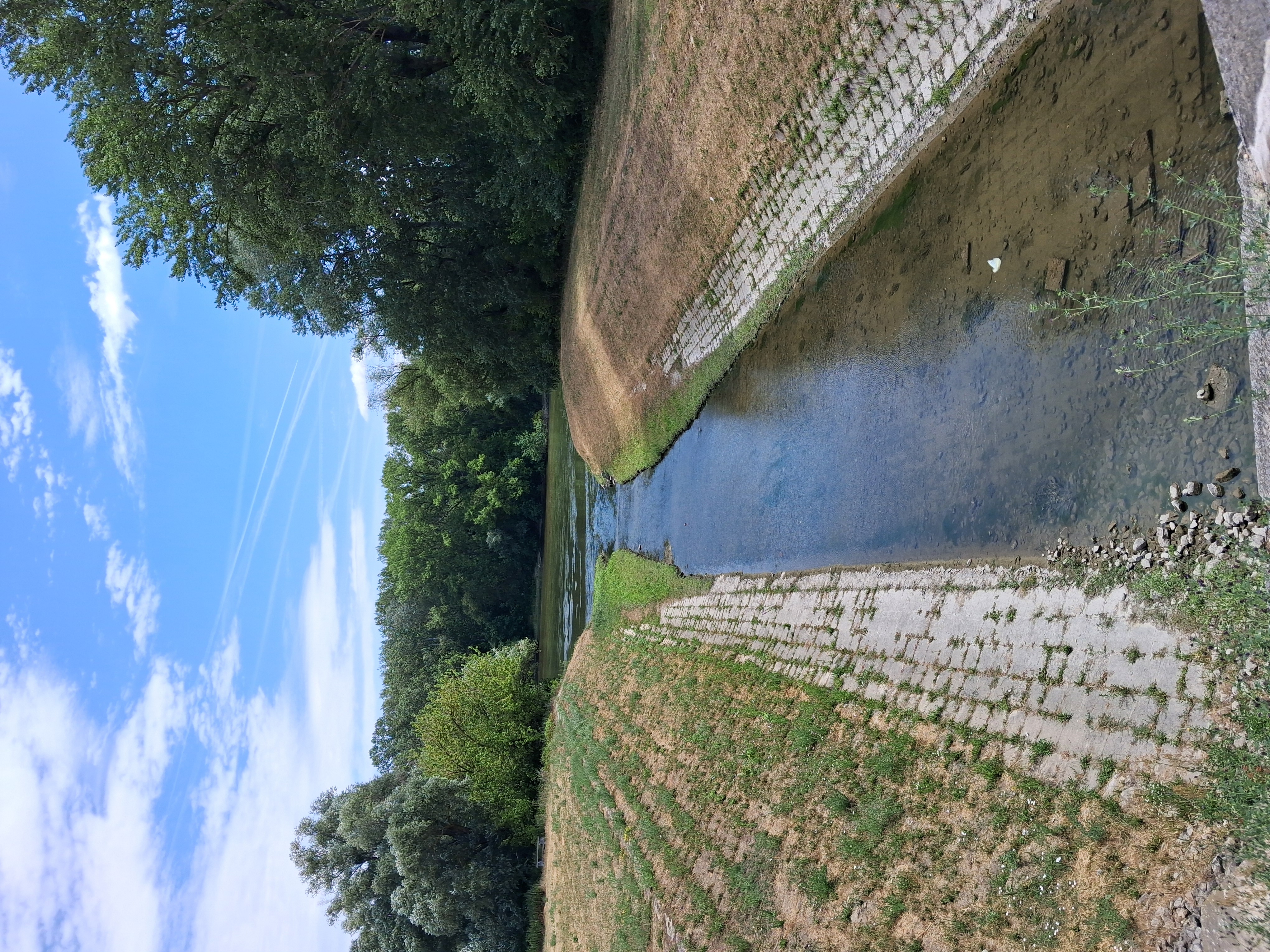
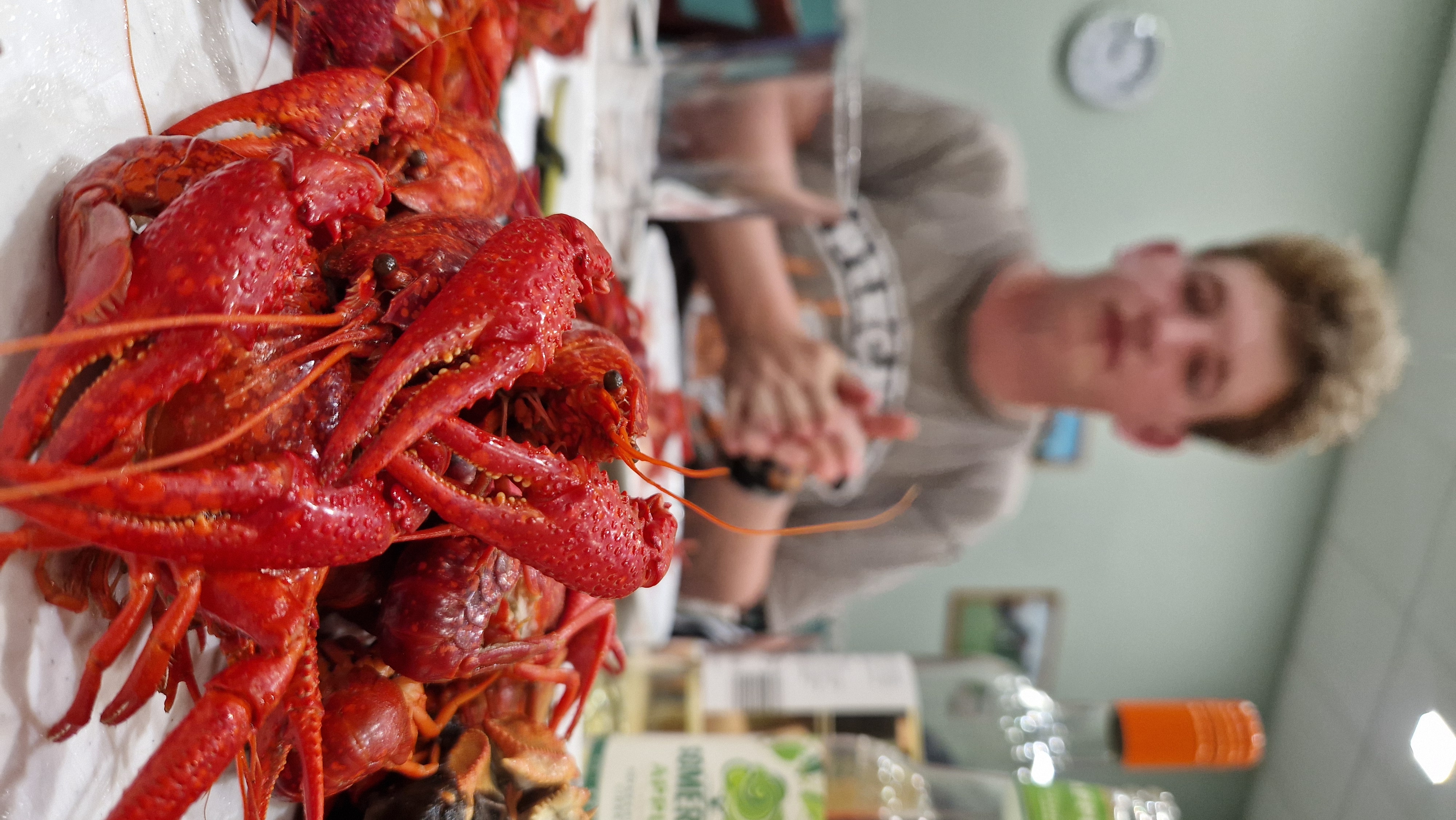
From 6 to 9 July 2026, Anna Koubová and Antonín Kouba visited several sites in southern Slovakia where invasive crayfish species have been recorded. The primary objective of the field trip was to monitor the presence of the red swamp crayfish in a reservoir near Dunajská Lužná.
Samples for monitoring crayfish-associated viruses were collected from the Chorvátske arm in Bratislava, where the marbled crayfish occurs, and from the Lohot locality, where the presence of the red swamp crayfish has previously been documented. A large population of the red swamp crayfish was also recorded in an isolated habitat at Veľké Úľany, where samples were collected for genetic analyses and for testing the possible presence of the causative agent of crayfish plague.
The business trip contributed to the collection of samples required for virological, genetic and epidemiological analyses of invasive crayfish populations in Slovakia and helped update information on their current distribution.
Written by: Anna Koubová