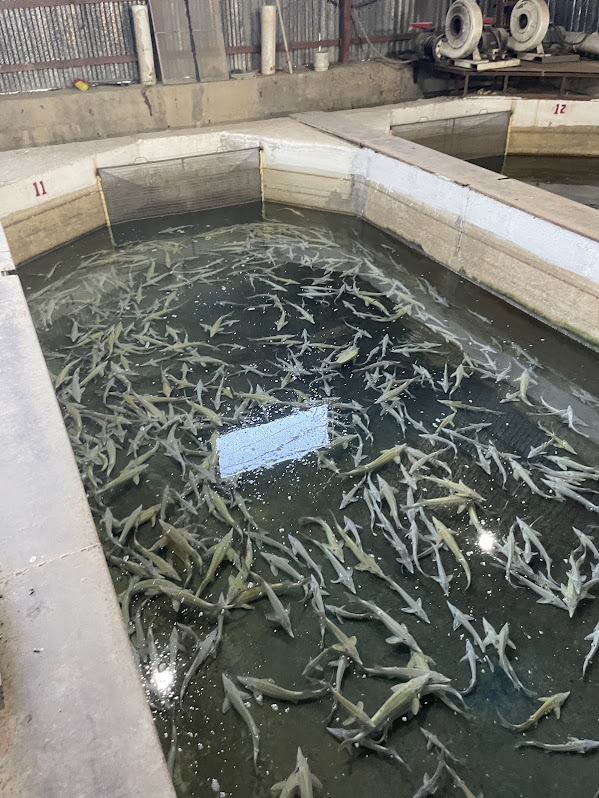
The business trip to LocalFish AG in Switzerland from November 28 to December 4 focused on implementing artificial out-of-season spawning of pikeperch (Sander lucioperca). Petr Dobrovolný and Oleksandr Malinovskyi from the Laboratory of Intensive Aquaculture participated in the preparation and execution of reproductive interventions under intensive farming conditions. The visit also included collecting blood samples from broodstock fish for subsequent laboratory analyses. The data and biological material obtained will be used for further research on reproductive physiology and optimization of reproductive protocols.
- Fotogalerie:
- Foto:
- Foto:
- Štítky:
Mezinárodní spolupráce
Representatives of the Faculty of Fisheries and Protection of Waters at the University of South Bohemia in České Budějovice participated in a regional workshop organised by Haydar Fersoy under the auspices of the Food and Agriculture Organization of the United Nations (FAO). The workshop took place in Shymkent, Kazakhstan, and focused on the development of pikeperch (Sander lucioperca) farming in Central Asia.
Oleksandr Malinovskyi, Ján Regenda, Tomáš Pěnka and Václav Kučera delivered a total of ten technical presentations covering a wide range of topics, from broodstock behaviour and management to pond aquaculture and pikeperch farming under controlled conditions in RAS. The presentations covered the entire production cycle, from reproduction and early-life-stage rearing to the production of market-sized fish. The workshop programme also featured contributions from Zhaksigali Kuanchaleyev, a Kazakh colleague and Director of the Kazakh-Czech Aquaculture Research Centre, and Uroš Ljubobratovič, a long-standing colleague from the HAKI MATE Institute in Hungary.
Approximately 40 participants from Kazakhstan, Uzbekistan, Turkey and other countries attended the workshop. In addition to fish farmers and other experts, the participants included representatives of the fisheries sector, among them the Chairman of the Fisheries Association of Kazakhstan.
The aim of the workshop was to share practical knowledge and experience to support the development of pikeperch farming in the region. The participation of experts from the Faculty of Fisheries and Protection of Waters contributed to the exchange of research findings and experience with various technological approaches to producing this aquaculture species, which is of considerable importance to Central Asia.
- Fotogalerie:
- Foto:
- Foto:
- Foto:
- Foto:
- Foto:
- Foto:
- Štítky:
Mezinárodní spolupráce
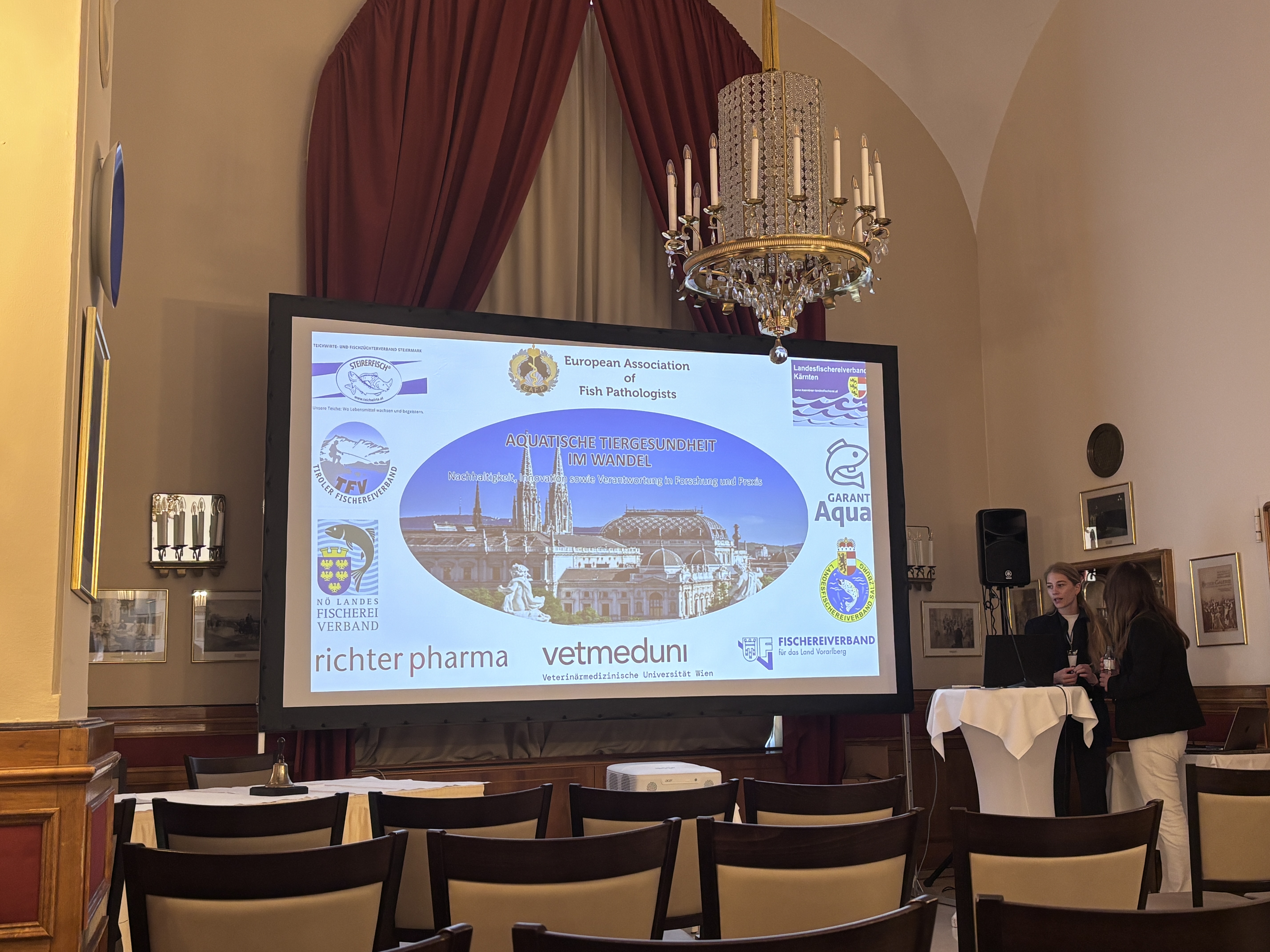
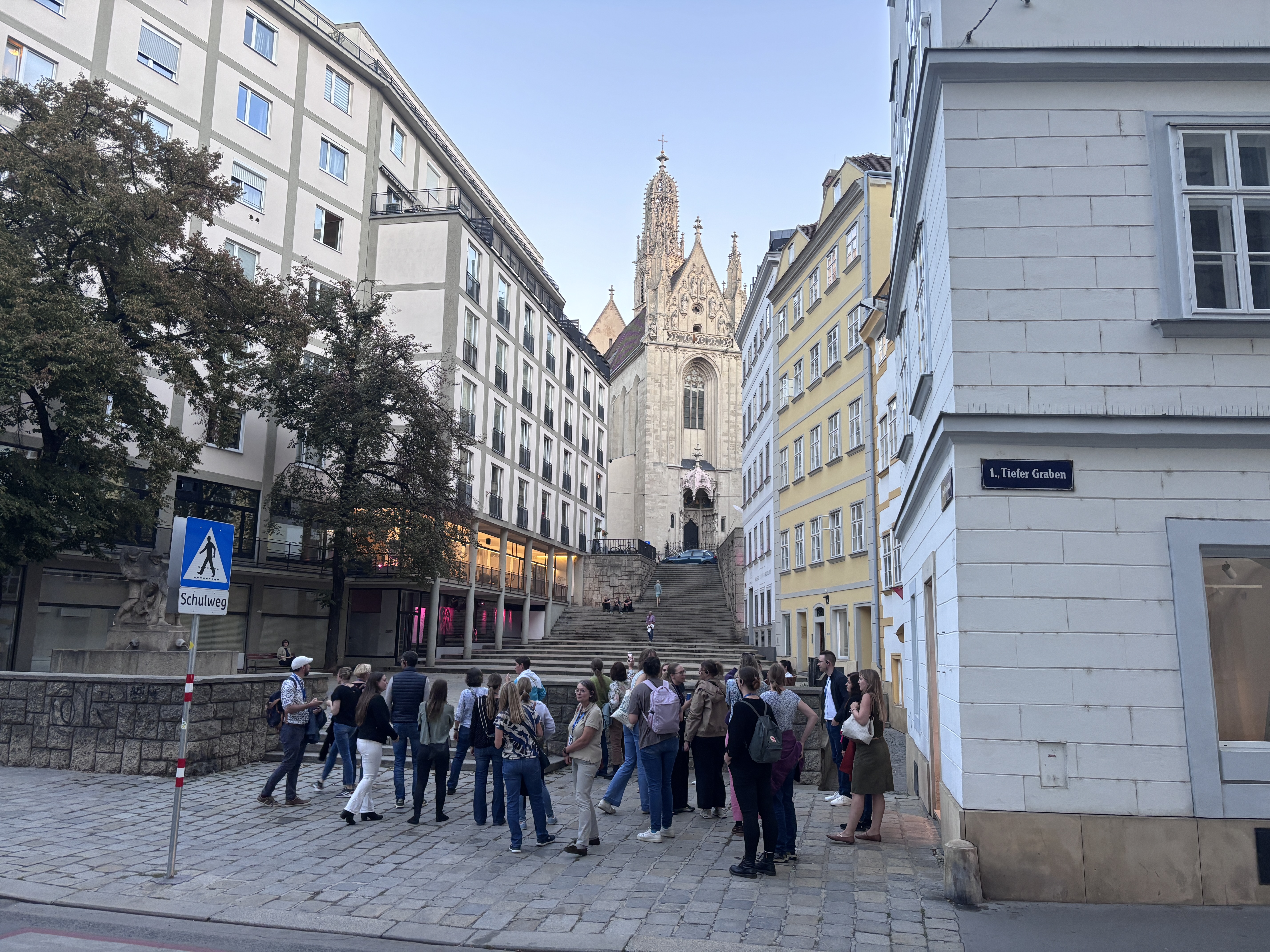
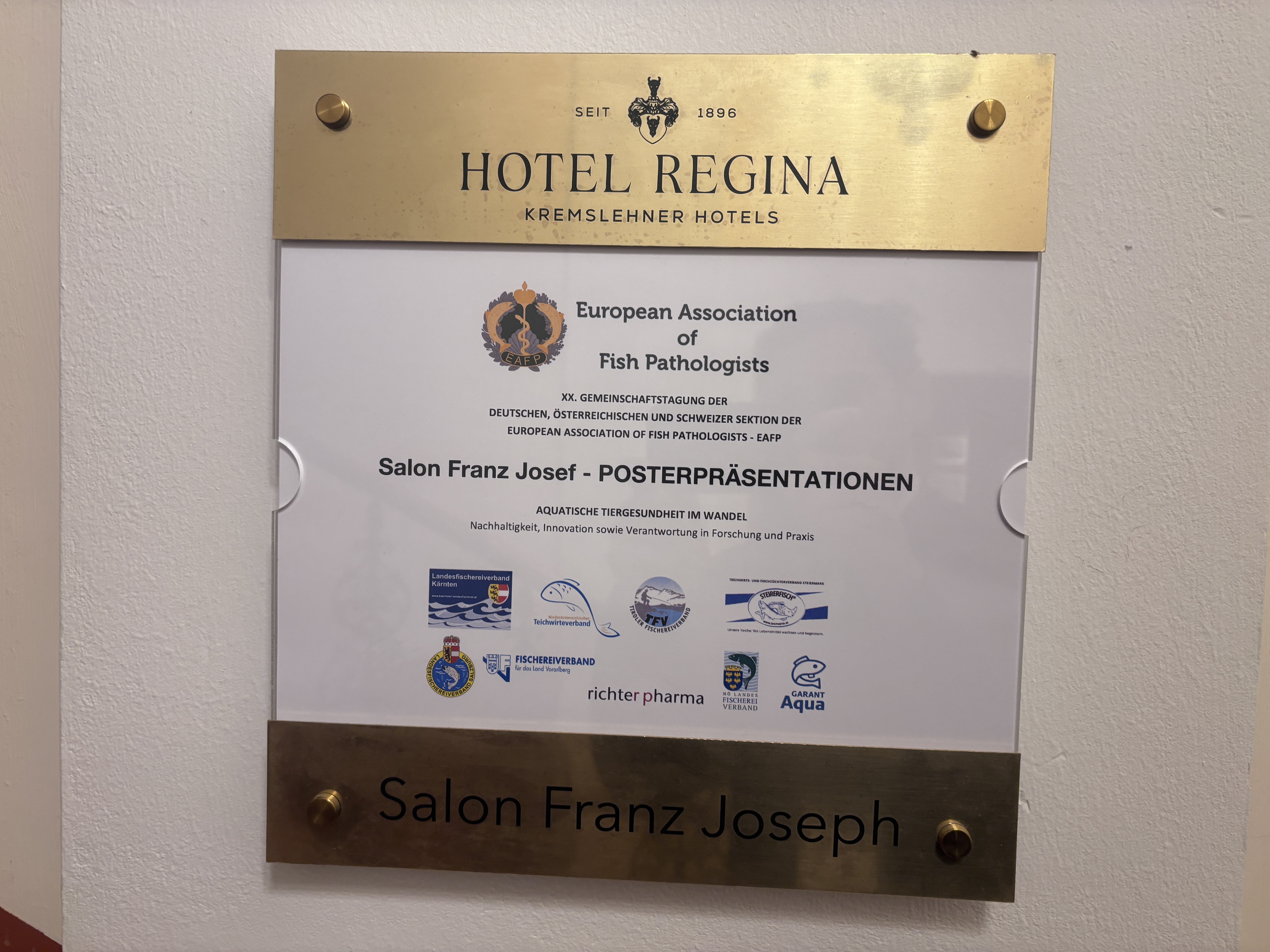
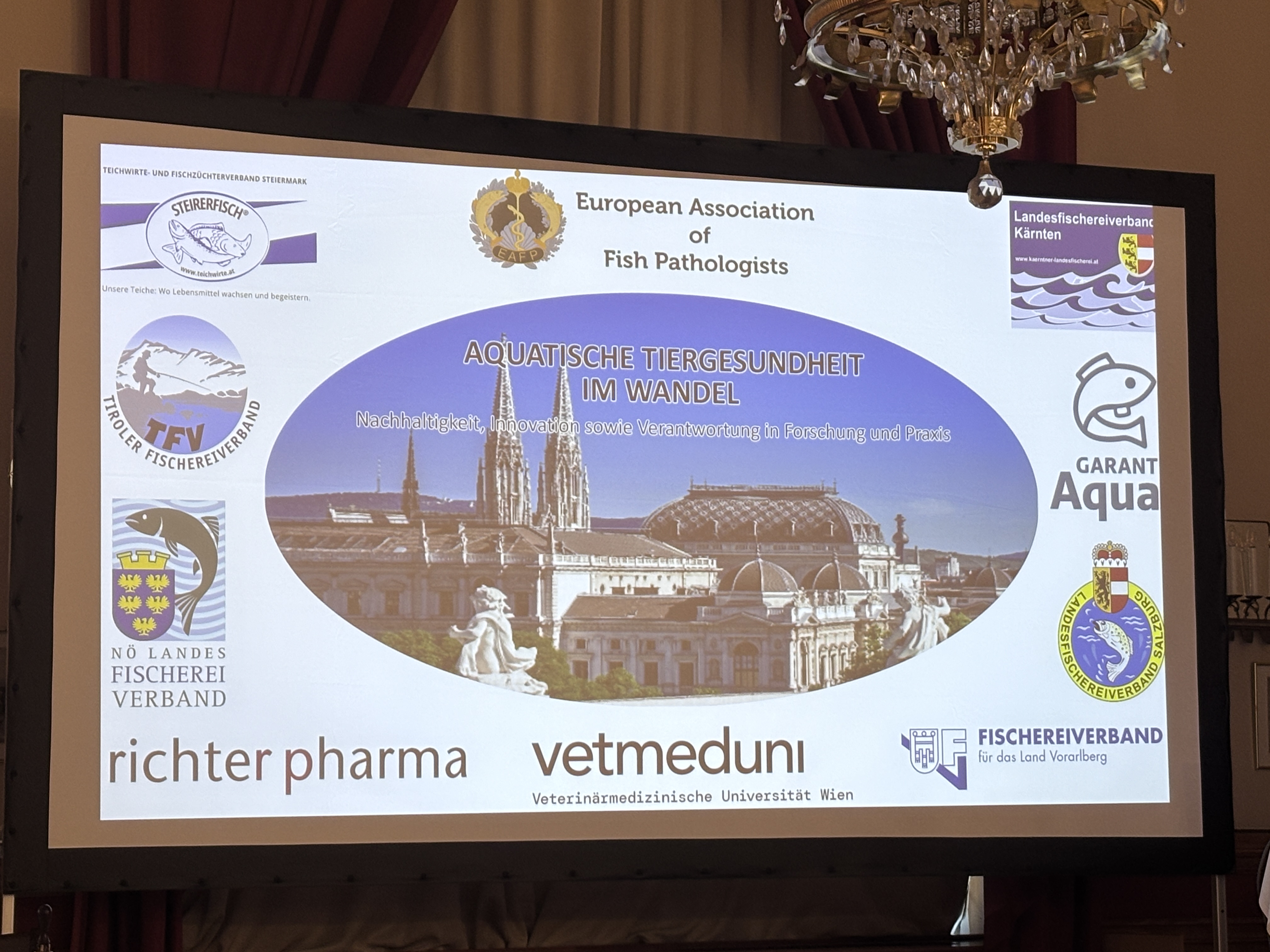
Tomáš Pěnka attended the 20th Joint Conference of the German, Austrian, and Swiss Sections of the European Association of Fish Pathologists (EAFP), held in Vienna, Austria, from 6 to 10 October 2026. The scientific programme included specialized sessions focused on parasitology, immunology, vaccination, bacteriophage therapy, eDNA-based diagnostics, and animal welfare in aquaculture systems. The conference also featured a concluding technical excursion, including a visit to the LIFE Boat4Sturgeon project on the Danube River.
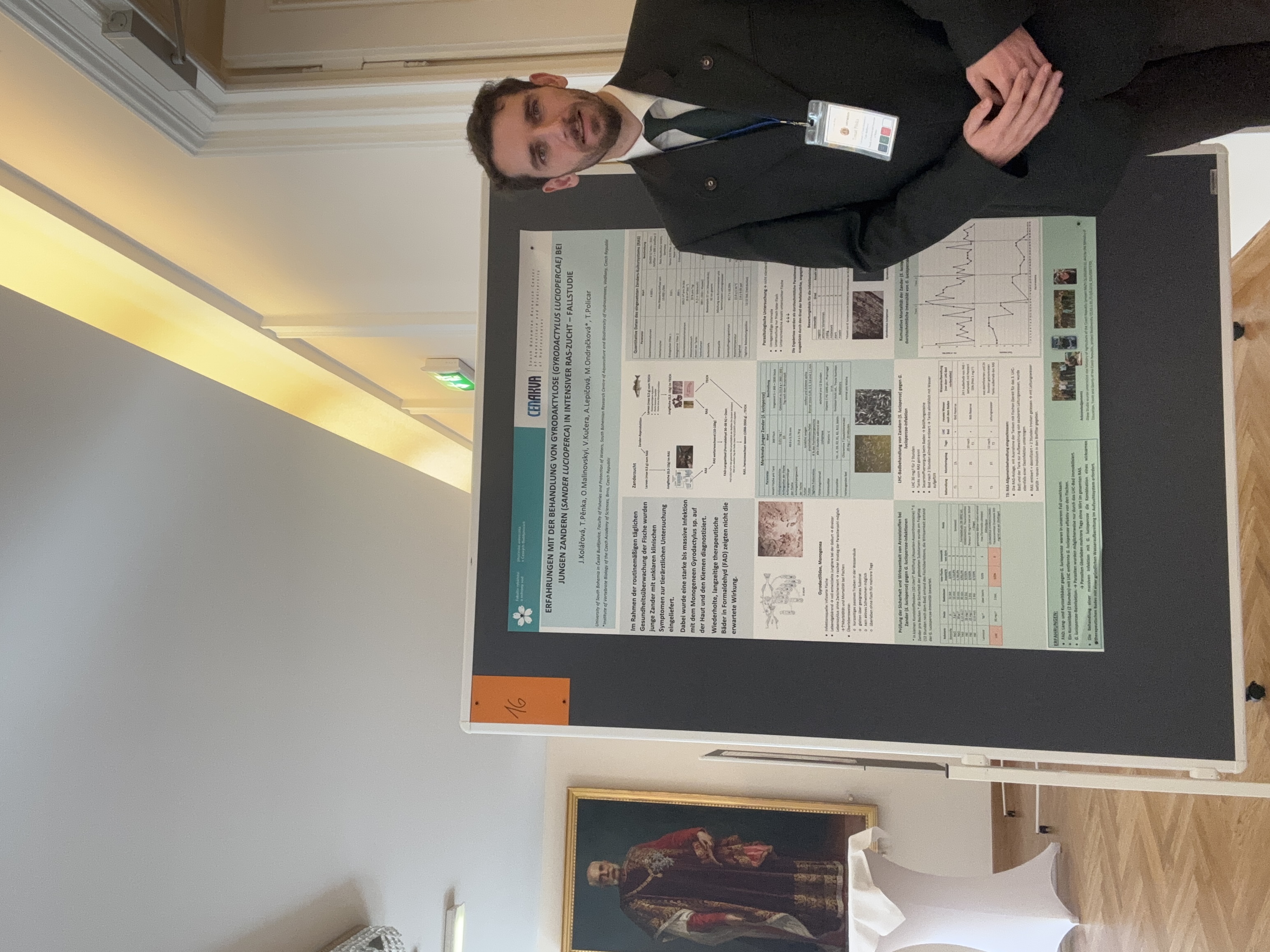
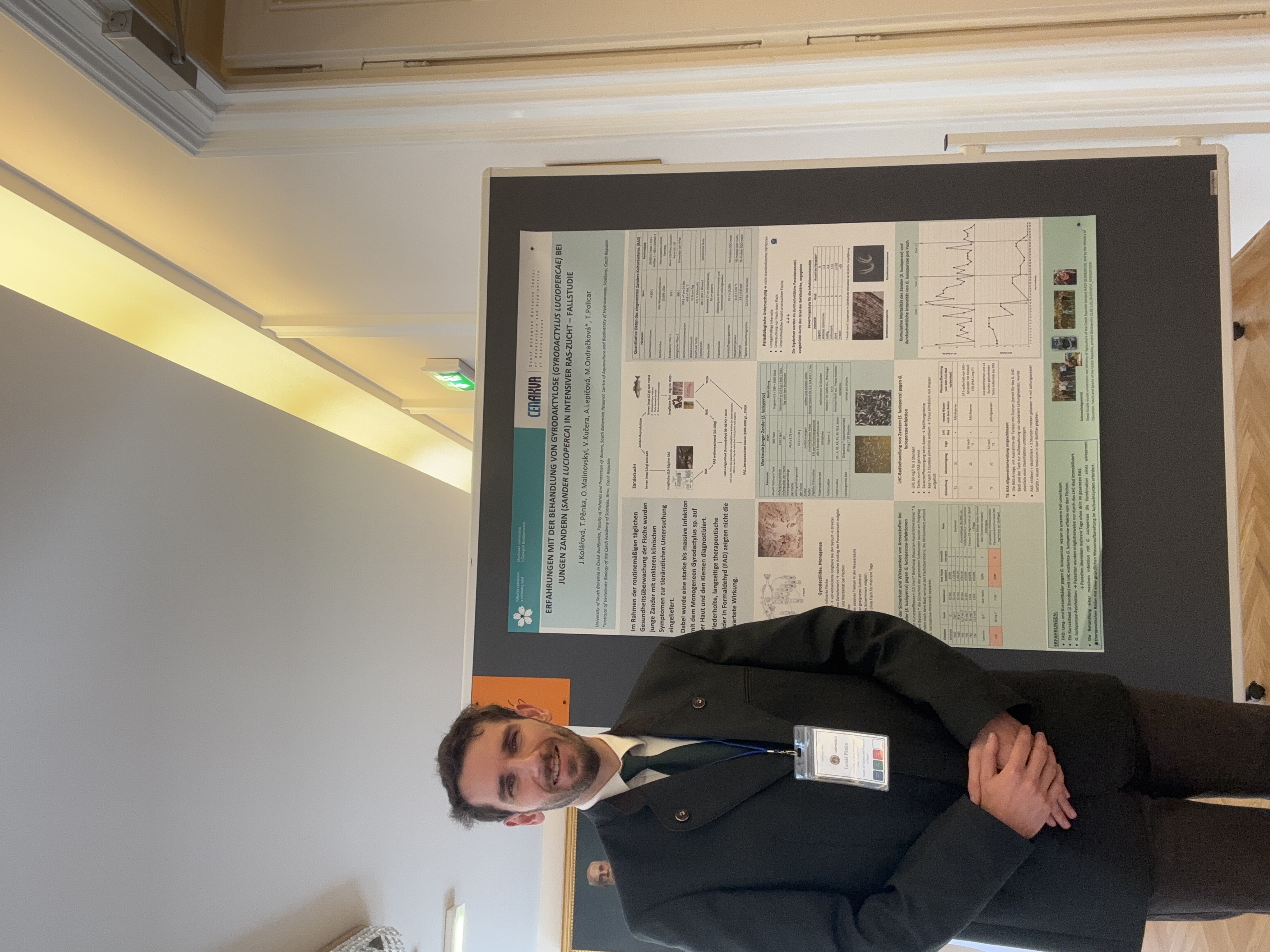
During the poster session, the contribution entitled “Erfahrungen mit der Behandlung von Gyrodaktylose (Gyrodactylus lucioperca) bei jungen Zandern (Sander lucioperca) in intensiver RAS-Zucht – Fallstudie” was presented. The poster reported practical experience and a case study on the treatment of gyrodactylosis in juvenile pikeperch reared in intensive recirculating aquaculture systems (RAS).
We would like to express our sincere gratitude to all co-authors who contributed to this case study, as well as to the Faculty of Fisheries and Protection of Waters, University of South Bohemia in České Budějovice, for their support. This study was funded by the Ministry of Agriculture of the Czech Republic (Project No. NAZV QL26020013) and the Ministry of Education, Youth and Sports of the Czech Republic (Project No. Biodiversity CZ.02.1.01/0.0/0.0/16_025/0007370).
Written by Tomáš Pěnka
On 8–9 December 2025, I visited Augsburg, Bavaria, where I briefly met representatives of agricultural faculties of German universities and research institutes at an informational meeting. Together with my colleagues, we discussed possible future cooperation in the field of technological innovations within long-term sustainable aquaculture.
On 9 December 2025, I traveled from Augsburg to Nancy, France, where I visited the University of Lorraine. At this university, at the Faculty of Science, I participated as an external examiner in the defense of the Ph.D. dissertation of MSc. Salam Al Dakdouki entitled “Comprehensive Assessment of the Effect of Fish Species on Microbial Diversity and Dynamics in Recirculating Aquaculture Systems (RAS).”
After the dissertation defense, I had the opportunity to discuss future mutual cooperation in the field of intensive aquaculture and fish domestication with Prof. Pascal Fontaine, Prof. Sylvain Millot, Assoc. Prof. Thomas Lecocq (all from the University of Lorraine), and Assoc. Prof. Carole Rougeot (University of Liège, Belgium).
Written by: Tomáš Policar
From 13–20 January 2026, we carried out a business trip to Ghana focused on developing cooperation in the fields of freshwater aquaculture, fisheries, and water protection. We held expert meetings with the Fisheries Commission of the Ministry of Food and Agriculture (MoFA), where we discussed innovations in tropical fish farming, the use of RAS systems, promising fish species, and the education of fishermen and students.
We also visited the Embassy of the Czech Republic in Accra, where possibilities for institutional support of cooperation in education and research were discussed. The program continued with meetings with students and academics at Kwame Nkrumah University of Science and Technology in Kumasi and the University of Energy and Natural Resources in Sunyani, where we presented the activities of FROV JU and CENAKVA, as well as study opportunities in the Czech Republic.
The final part of the trip was devoted to a practical demonstration of the artificial spawning of the African catfish (Clarias gariepinus) and a discussion on the development of Ghanaian aquaculture. Our Ghanaian colleagues made a significant contribution to the realization of the entire trip, and we would like to express our sincere thanks to them.
Authors: Policar, Nebeský
- Fotogalerie:
- Foto:
- Foto:
- Štítky:
Mezinárodní spolupráce
DANUBEAQUA Kick-off Meeting in Hungary
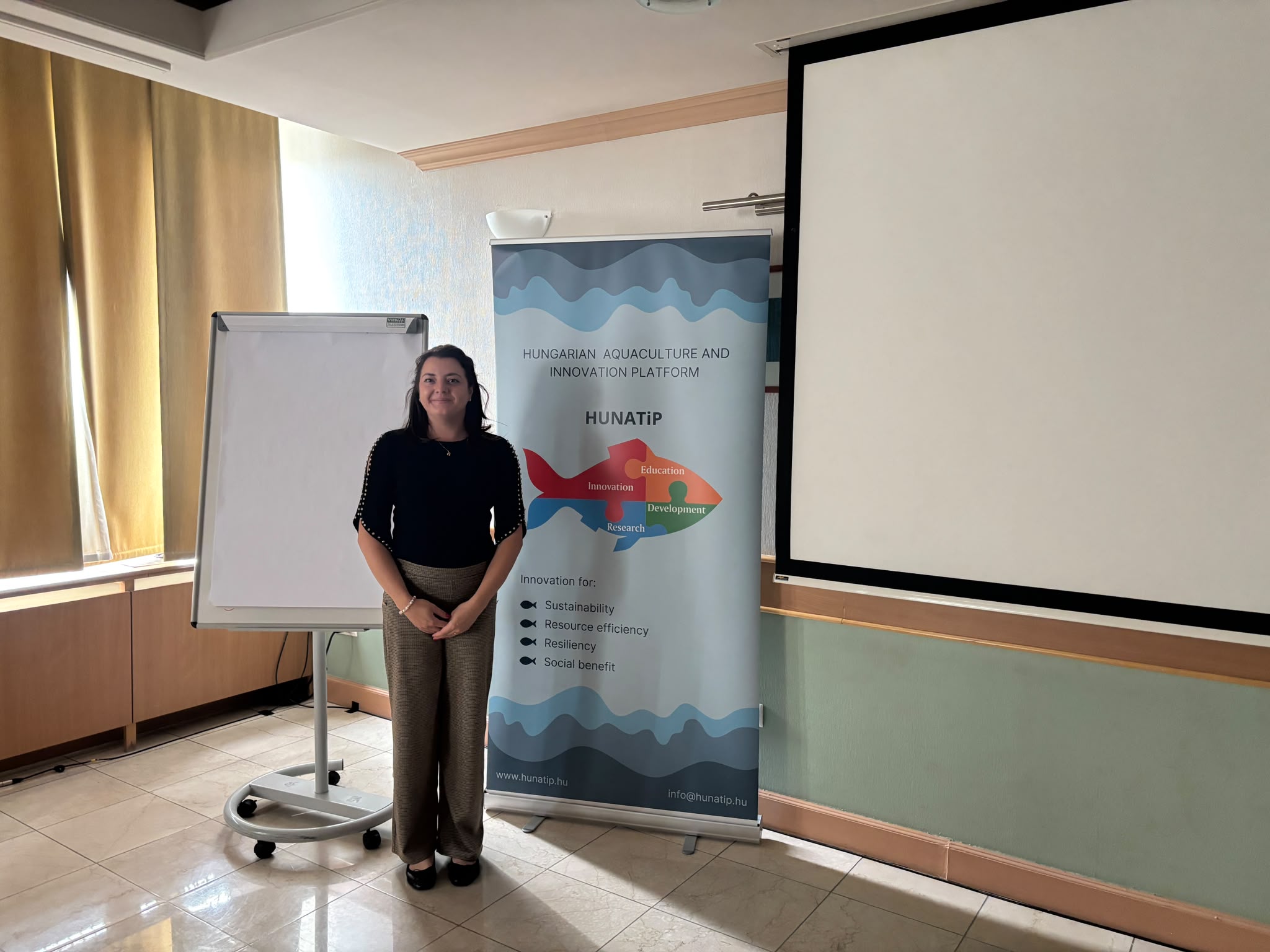
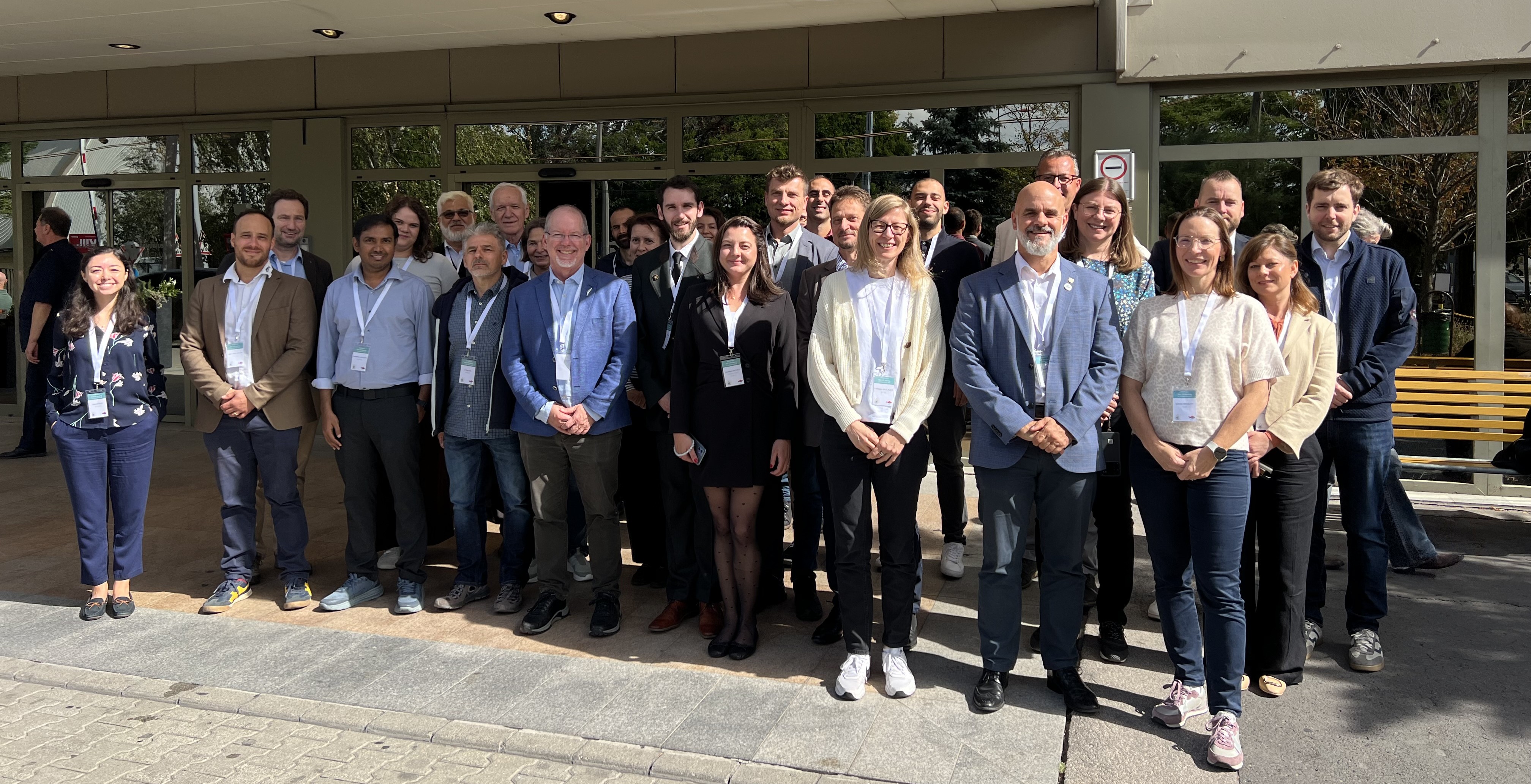
From September 22 to 24, 2026, Jindřiška Knowles and Tomáš Pěnka from the Faculty of Fisheries and Protection of Waters at the University of South Bohemia (FFPW USB) attended the kick-off meeting of the international DANUBEAQUA project, held in Budapest, Hungary.
Funded by the Horizon Europe program, DANUBEAQUA focuses on making European freshwater aquaculture more sustainable, with particular attention to energy efficiency, resource use and climate change adaptation. During the meeting, project partners presented their planned activities and introduced the research and demonstration sites involved in the project. One of these is the FFPW USB research facility, where technologies aimed at reducing energy consumption and improving water use efficiency will be tested in recirculating aquaculture systems (RAS).
A significant part of the meeting focused on Work Package 5 (WP5), which deals with the piloting and demonstration of innovative solutions under practical conditions. The program also included a technical visit to the Aranyponty fish farm and working sessions where partners discussed the implementation of planned activities and agreed on the next steps.
- Fotogalerie:
- Foto:

- Foto:

- Štítky:
FROV
From 26 January 2026 to 14 February 2026, I completed a professional traineeship in Ireland, in the town of Aughrim, at the flow-through trout farm IDAS Trout, operating under Goatsbridge Trout Farm Ltd. The traineeship focused on gaining practical experience with the operation of a flow-through fish farm producing hundreds of tonnes of market-sized rainbow trout annually, including their various life stages within intensive aquaculture systems. During the stay, I actively participated in daily farm operations, particularly fish husbandry, feeding management, water quality monitoring, cleaning of rearing systems, and observation of fish health. In addition, I took part in the spawning of broodstock for caviar production, harvesting of market-sized fish, grading of juveniles, and their vaccination. The traineeship was strongly affected by catastrophic floods across the Wicklow region, which required flexible adaptation of planned activities and provided an opportunity to directly observe flood crisis management and subsequent damage remediation. The traineeship was carried out with financial support from the Erasmus+ programme.
- Fotogalerie:
- Foto:

- Foto:

- Foto:

- Foto:

- Foto:

- Foto:

- Foto:

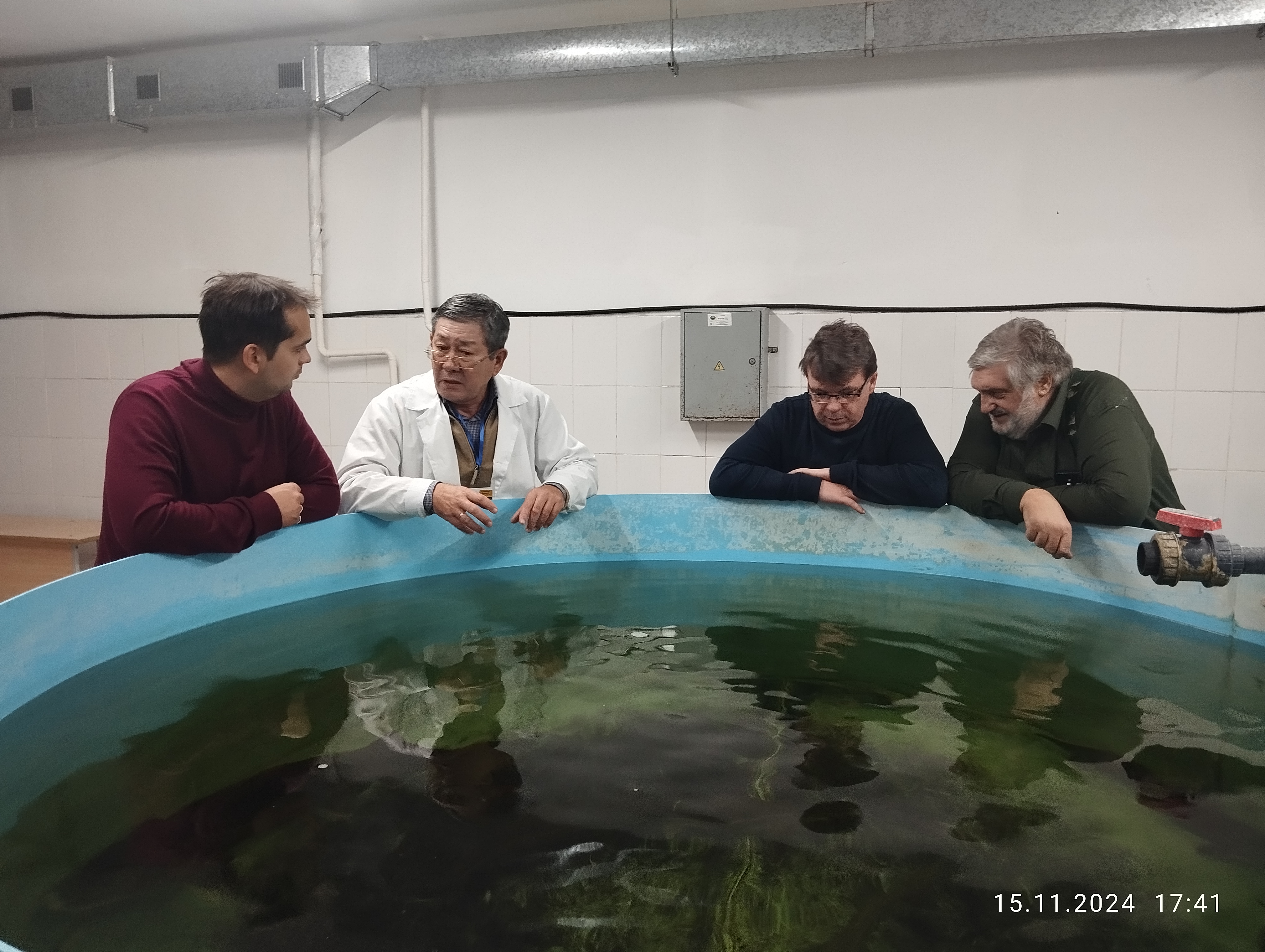
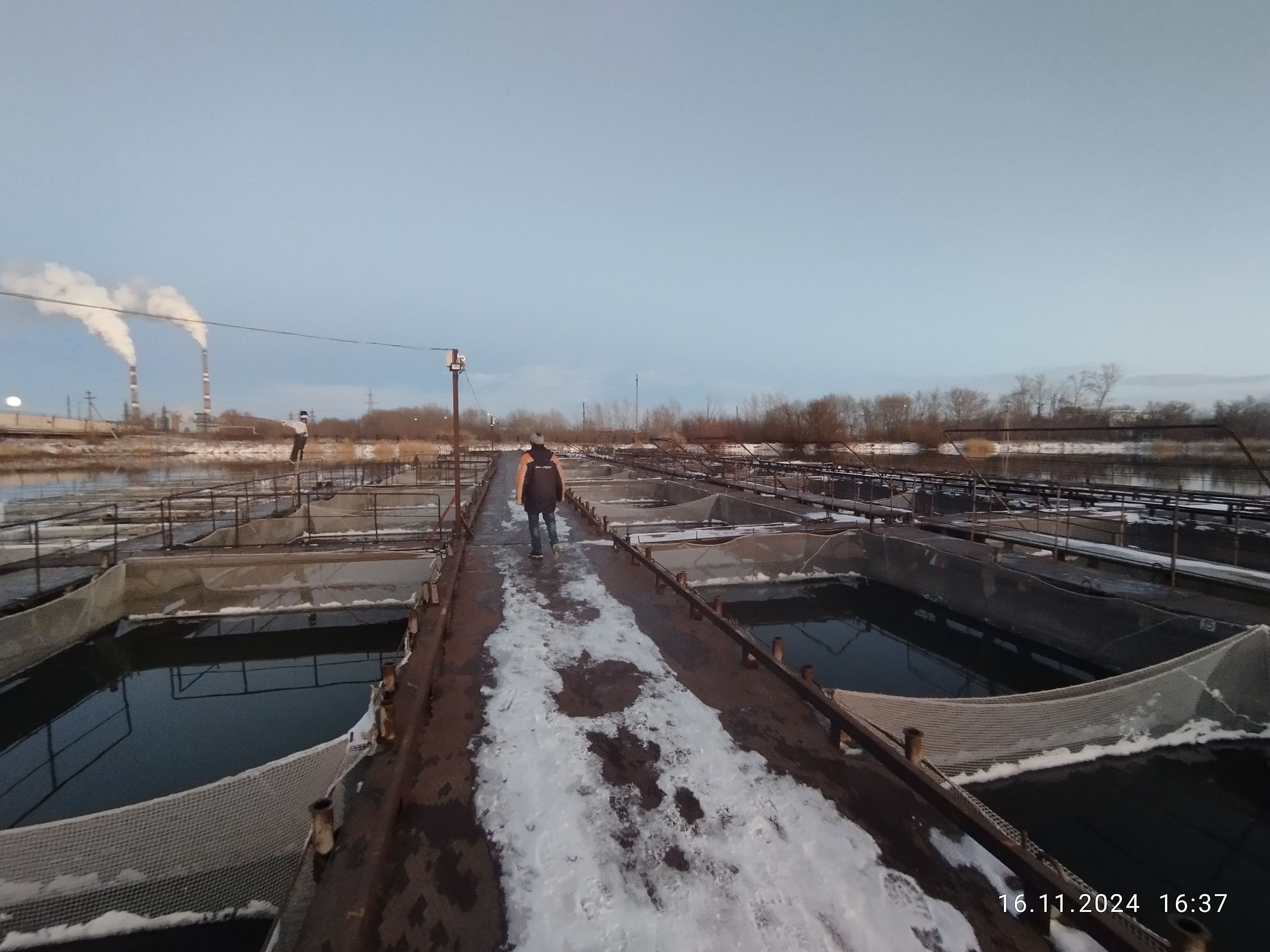
During March 21–28, 2026, as part of my working visit to Kazakhstan, I visited the fish production company Khamit Ltd. in Shardara, which is engaged in pond and cage aquaculture in lakes, fishing in Kazakh lakes, and fish processing, including the production of fish meal. The company employs 240 staff and processes a total of 12 species of freshwater fish, with an overall processing capacity of 6 tons of fish per day. The main processed species is pikeperch (Sander lucioperca). This promising collaboration was established thanks to the activities of our faculty during last year’s FAO workshop, the Kazakh-Czech Aquaculture Research Center in Astana, and Taraz University named after Sherkhan Murtaza.
Over the course of five days, together with our Kazakh colleagues, we organized a practical workshop for Kazakh fish producers and researchers. The aim of the workshop was to teach participants how to carry out broodstock selection of pikeperch, perform efficient artificial spawning, produce larvae, and subsequently rear them in ponds with further adaptation to intensive aquaculture, followed by continued intensive culture of stocking and market fish. The objective of the workshop was to demonstrate how pikeperch can be efficiently produced in ponds and intensive aquaculture in order to slow down or halt the decline of wild pikeperch populations in Kazakh lakes. The final outcome of the workshop is the preparation of an innovative international project supported by the European Bank for Reconstruction and Development (EBRD).
In addition to the above activities, I met with several students who expressed interest in studying at our faculty next year within English-taught master’s or doctoral programs.
Written by: Tomáš Policar
- Fotogalerie:
- Foto:
- Foto:
- Štítky:
FROV
Between November 14thto 20th, I, together with my colleagues Tomáš Policar, Jan Kouřil, and Oleksandr Malinovskyi, conducted a business trip to Astana, the capital of Kazakhstan.
The purpose of the trip was to participate in a professional and educational meeting at S. Seifullin Kazakh Agro Technical University and the emerging Kazakh-Czech Aquaculture Research Center. During this visit, we prepared plans for international cooperation for 2025 and 2026 at the university leadership level, including discussions with Rector Prof. Kanat Tireuov and the center’s leadership, represented by its director and our colleague, MSc. Zhaxygalim B. Kuanchaleyev. The main focus of discussions and professional work revolved around the development of scientific (preparation and implementation of projects and experiments related to the intensive farming of pikeperch, reproduction, and controlled rearing of Siberian taimen) and pedagogical collaboration (exchange programs and internships for Master's and Ph.D. students).
During our stay, staff from FROV JU delivered special lectures to Master's students in the field of Fisheries. Additionally, the Czech delegation from the FFPW USB visited aquaculture facilities for pikeperch and sturgeon farming in Astana and Karaganda. We also met with the Czech ambassador, Ing. Pavel Šepeľák. This meeting facilitated discussions to clarify the most suitable procedure for granting study visas to Kazakh students interested in studying at our faculty. I believe that our visit to the center, the lectures for university students, and our renewed meetings with its representatives, as well as with fish producers in Kazakhstan, will contribute to the accelerated development of intensive collaboration between the two institutions. Furthermore, I hope this visit will enable our faculty to offer both its students and Kazakh students exciting international study opportunities, thereby expanding their global professional experience.
- Štítky:
Mezinárodní spolupráce
On October 10–11,2026, I visited Slovakia to meet with commercial fish farmers. The objective was to achieve species and technological diversification in Slovak aquaculture, focusing primarily on salmonid species (rainbow trout and Danube salmon) and predatory fish species (Eurasian perch and pikeperch) reared under controlled conditions in Recirculating Aquaculture Systems (RAS). Additionally, I met with selected secondary school students who are preparing to begin their studies at our faculty next year.
Written by Tomáš Policar
- Štítky:
Mezinárodní spolupráce
From 28 September to 1 October 2026, representatives of the Laboratory of Intensive Aquaculture at the Faculty of Fisheries and Protection of Waters, University of South Bohemia in České Budějovice, participated in the international conference Aquaculture Europe 2026, held in Ljubljana, Slovenia. The laboratory was represented by Oleksandr Malinovskyi, Tomáš Policar, Václav Kučera, Tomáš Pěnka, Laura Ostolaza Perez Cruz, Muhammad Nauman, Nathaniel Adjeai Gyasi, and Jindřiška Knowles.
All participants presented their research findings in the scientific session Emerging Fish Species in Intensive Farming. Oleksandr Malinovskyi also chaired the session. The presentations primarily addressed the culture of percid fish in recirculating aquaculture systems (RAS) and In-Pond Raceway (IPR) systems, reproduction using microparticles, and larval rearing supported by biofloc systems. Other topics included the effects of stress on pikeperch (Sander lucioperca) culture, the potential of biculture systems, and behavioural changes in fish reared under intensive RAS conditions, including approaches to restoring their natural behavioural patterns.
Participation in the conference provided an opportunity to present the laboratory's research findings to the international scientific community, exchange experience with other research institutions, and discuss new approaches to developing modern percid aquaculture technologies. It also contributed to establishing professional contacts and strengthening international cooperation in the field of aquaculture.
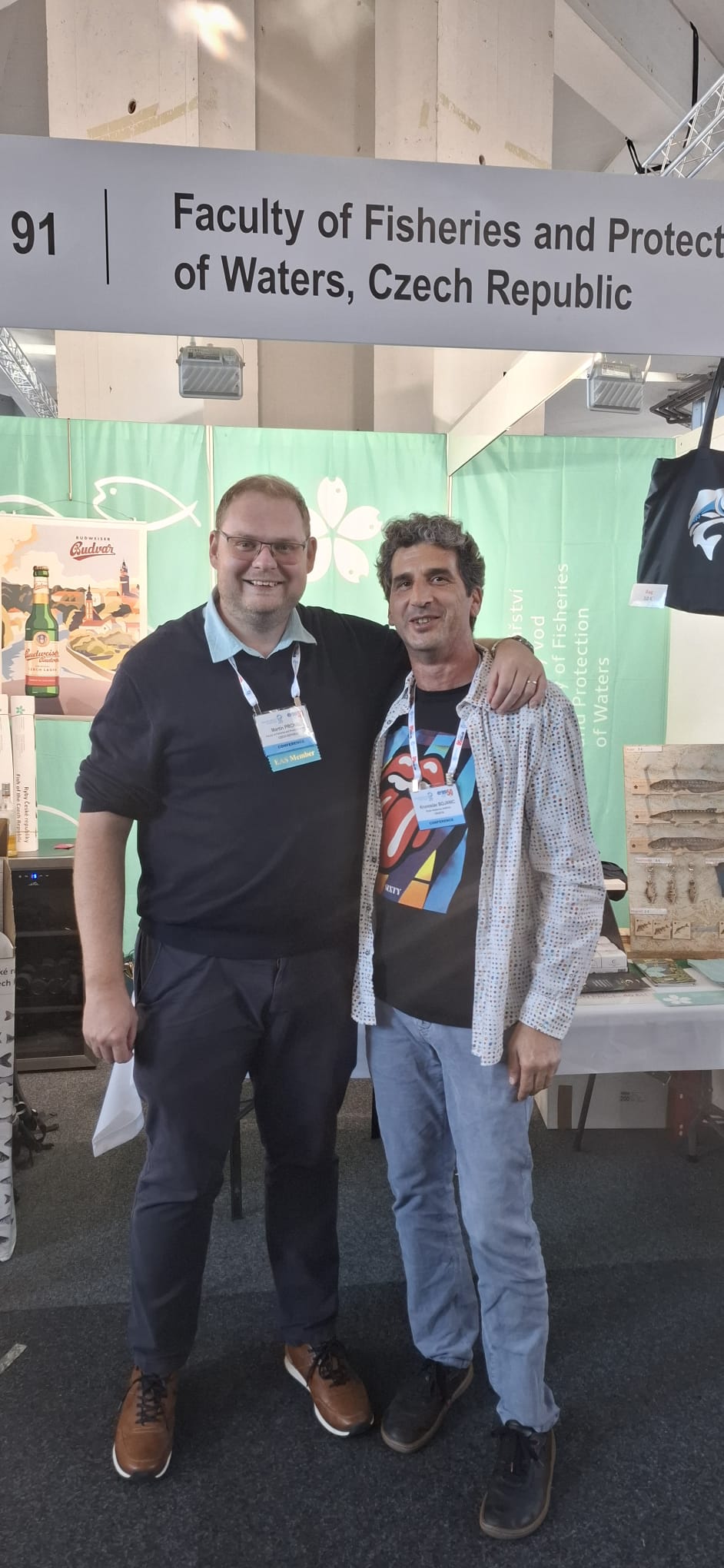
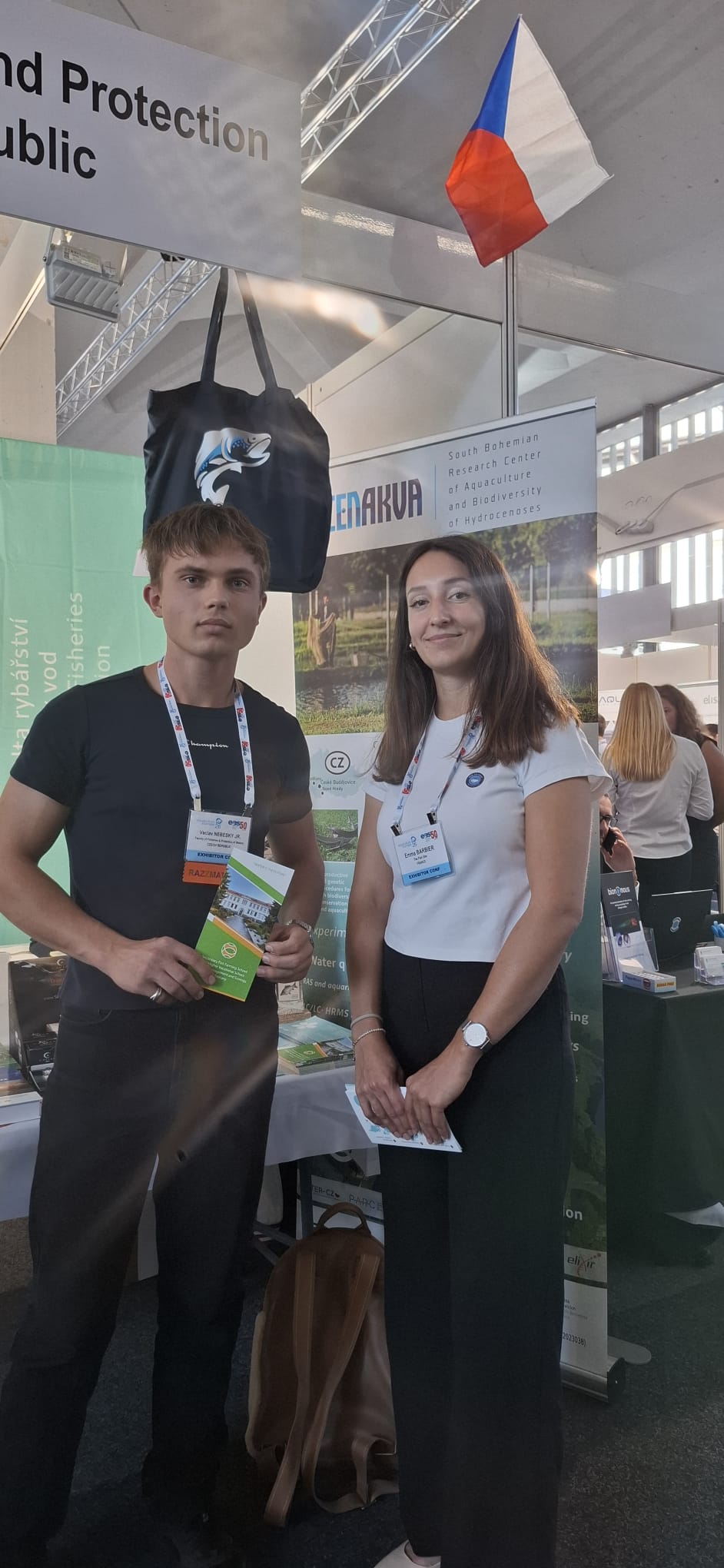
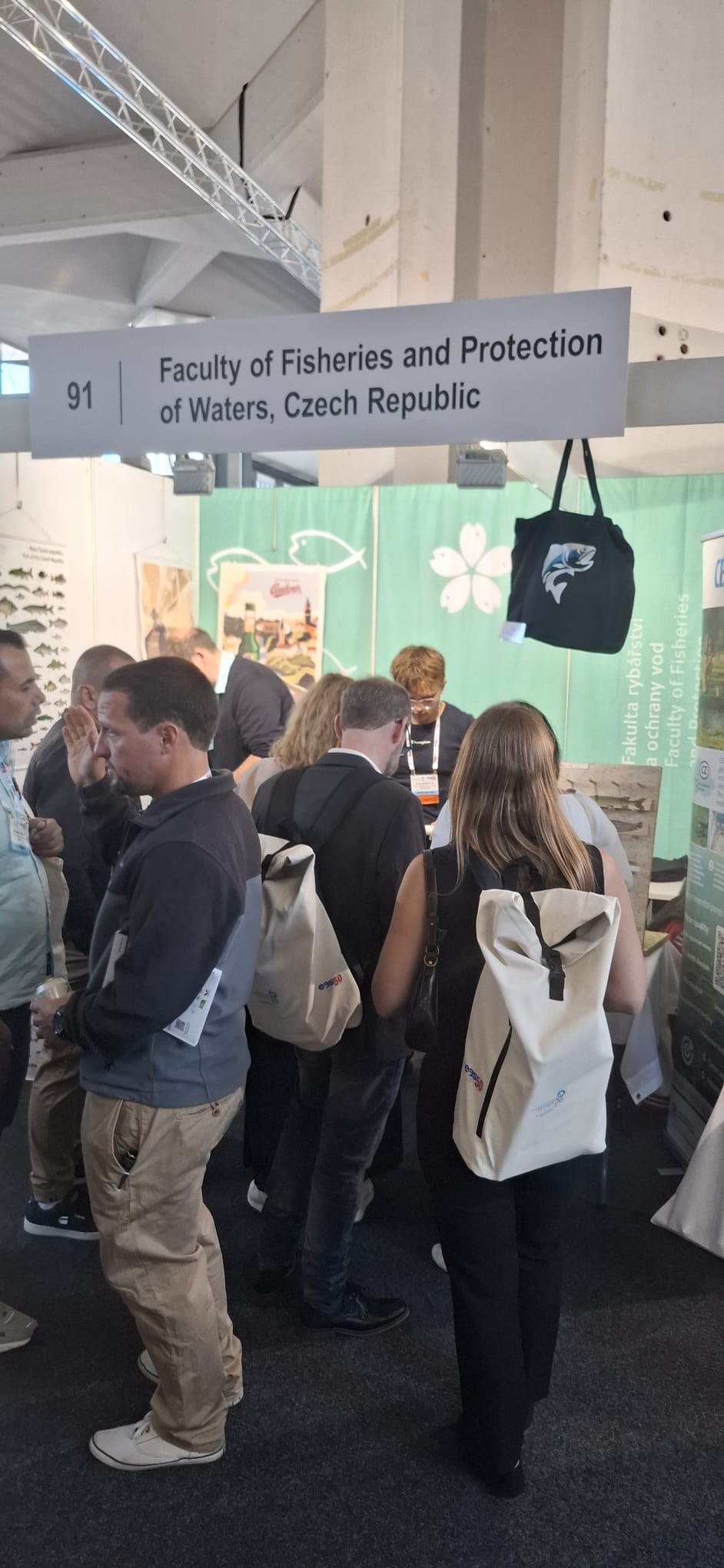
The Faculty of Fisheries and Protection of Waters of the University of South Bohemia in České Budějovice participated in the prestigious international conference and trade fair Aquaculture Europe 2026, held in Ljubljana from 28 September to 1 October 2026. As part of its participation, the Faculty presented its own exhibition stand, which attracted experts from across Europe and beyond.
Aquaculture Europe is one of Europe’s major events bringing together experts, research institutions, universities, producers, and technology companies working in the field of aquaculture. Visitors to the FFPW USB stand had the opportunity to learn more about the Faculty’s activities, research areas, educational programmes, and opportunities for cooperation. The Faculty’s research results and practical outputs, including caviar-based cosmetics, also attracted attention.
Representatives of the FFPW USB also actively participated in the conference programme and met with international partners to discuss opportunities for future cooperation, joint research projects, and other international activities. The participation in Ljubljana thus contributed to promoting the Faculty, its scientific results, and its expertise in the international arena.
- Fotogalerie:
- Foto:

- Štítky:
Mezinárodní spolupráce
The research team from the Laboratory of Intensive Aquaculture (LIA) participated in the Aquaculture Europe 2025 conference, held in Valencia, Spain, from 22 to 25 September 2025. The team actively contributed to the conference program through both oral and poster presentations, focusing on sustainability, nutrient recycling, and innovations in intensive fish farming.
The list of presentations is as follows:
- Tomáš Pěnka – Oral presentation: Polyculture of pikeperch (Sander lucioperca) and Russian sturgeon (Acipenser gueldenstaedtii) using an artificial common pellet – Implications on feed to fish nutrient transfers in recirculating aquaculture system (RAS)
- Oleksandr Malinovsky– Oral presentation: Origin significantly impacts reproductive capabilities of pikeperch (Sander lucioperca) broodstock
- Oleksandr Malinovsky – Oral presentation: Comparative analysis of swimming performance in pikeperch (Sander lucioperca) from recirculating aquaculture systems and traditional pond culture
- Oleksandr Malinovsky– Oral presentation: Effects of different light regimes on growth performance, haematology, blood biochemistry and antioxidant capacity of largemouth bass (Micropterus salmoides)
-
- Václav Kučera – Oral presentation: Comparative analysis of swimming performance in pikeperch (Sander lucioperca) from recirculating aquaculture systems and traditional pond culture
- Muhammad Nauman – ePoster presentation: Rewilding pikeperch: natural diets as physiological tools for pikeperch (Sander lucioperca) restocking
- Laura Ostolaza– Oral presentation: Effect of transfer processes on the condition of juvenile pikeperch (Sander lucioperca) cultured in RAS: acclimatization and stress elimination
In addition, Anil Tellbüscher from the Laboratory of Nutrition presented recent results of experiments conducted in the scope of the Interreg "AquaCycle" between Austria and the Czech Republic. The presentation was entitled "Scaling up Aerobic Sludge Reduction for End-of-Pipe Treatment or Nutrient Mobilisation.
During the periods of January 5–18, 2025, and subsequently October 27 – November 7, 2025, I completed professional internships at the production company Local Fish!, located in Rafz, Switzerland. The second internship was carried out together with my colleague Laura Ostolaza Perez-Cruz. The main objective of both internships was to gain practical experience in the out-of-season propagation of Eurasian perch (Perca fluviatilis) within a recirculating aquaculture system (RAS). During the stays, I actively participated in sperm collection and quality assessment, egg collection from females, fertilization procedures, and the stocking of eggs for incubation and further rearing. The internships also included participation in the daily operation and maintenance of the RAS, including system monitoring, water quality control, feeding, and equipment upkeep. The experience significantly contributed to expanding my practical knowledge of fish reproduction under controlled conditions and the operation of modern recirculating systems. Both internships took place in a professional and supportive environment, allowing for a valuable connection between theoretical knowledge and hands-on aquaculture practice.
From November 10 to December 8, 2025, a one-month internship was completed at the LocalFish production facility in Rafz, focused on practical training in recirculating aquaculture systems (RAS) and pikeperch production.
The program followed a four-week rotation across key production units. In the first week, the trainee performed daily husbandry tasks and system monitoring in the grow-out section. The second week included hands-on work in the nursery, such as fish grading and basic health checks. During the third week, stock management continued in the pre-grow unit, with regular inspection of water quality and system performance.
The final week was dedicated to broodstock care and reproduction, including sperm collection, egg stripping, fertilization, and egg stocking. Additional experience was gained in maintaining stable RAS parameters and in Artemia cultivation for larval feeding. I also engaged with the colleagues there to support future fruitful collaboration.

- Štítky:
Mezinárodní spolupráce
Ve dnech 26. -30.8.2024 se delegace z Fakulty rybářství a ochrany vod JU zúčastnila vědecké konference AQUA 2024 pořádané pod záštitou WAS (World Aquaculture Society) a EAS (European Aquaculture Society). Konference se konala v kongresovém centru Bella Center v Kodani v Dánsku. Fakultu rybářství a ochrany vod na zmíněné akci reprezentovalo celkem 23 účastníků z řad vědeckých a akademických pracovníků, PhD studentů a studentů navazujícího magisterského oboru „Rybářství a ochrana vod“. Pracovníci a studenti FROV JU na konferenci AQUA 2024 celkem prezentovali 12 ústních a 6 posterových příspěvků. Svým zaměřením pokryly prezentace a postery témata jako jsou: precizní akvakulturní farmaření, RAS, rybníky, management generačních ryb, šlechtění chyb, odchov larev, výživa ryb a korýšů, krmná aditiva, nepůvodní druhy ryb, monitoring rybích populací, spolupráce ve vědě, školení a výuce a další. Studenti magisterského oboru se významnou měrou a velmi aktivně zapojili pod taktovkou organizátorů ze studentské sekce EAS do vlastní organizace registrace účastníků a jednotlivých sekcí konference. V rámci tradiční výstavy (Trade show) se FROV JU prezentovala na svém vlastním stánku s propagačními, odbornými a vědeckými materiály. Tato akce významně přispěla k prezentaci fakulty a centra CENAKVA, kdy byly nabízeny její otevřené přístupy infrastruktury na mezinárodní vědecké scéně. Věříme, že tato aktivita umožní FROV JU a CENAKVA další vědecko-pedagogické propojení s dalšími výzkumnými institucemi v zahraničí.
- Fotogalerie:
- Foto:
- Foto:
- Štítky:
Mezinárodní spolupráce
Zahajovací setkání projektu DANUBEAQUA v Maďarsku
Ve dnech 22.–24. září 2026 se Jindřiška Knowles a Tomáš Pěnka z Fakulty rybářství a ochrany vod Jihočeské univerzity (FROV JU) zúčastnili zahajovacího setkání mezinárodního projektu DANUBEAQUA, které se konalo v Budapešti v Maďarsku.
Projekt financovaný z programu Horizon Europe se zaměřuje na udržitelný rozvoj evropské sladkovodní akvakultury, zejména na zvyšování energetické účinnosti, efektivnější využívání zdrojů a adaptaci na změnu klimatu. Během setkání byly představeny hlavní cíle projektu, plánované aktivity jednotlivých partnerů a výzkumné a demonstrační lokality. Jednou z nich je také pracoviště FROV JU, kde budou v recirkulačních akvakulturních systémech (RAS) testovány technologie zaměřené na snížení energetické náročnosti a efektivnější využívání vody.
Významná část programu byla věnována pracovnímu balíčku WP5, který se zabývá pilotním testováním a demonstrací inovativních řešení v praxi. Součástí setkání byla také odborná exkurze na rybářskou farmu Aranyponty a pracovní workshopy, během nichž partneři diskutovali konkrétní postupy a další kroky při realizaci projektu.
Ve dnech 13.–20. ledna 2026 jsme uskutečnili služební cestu do Ghany zaměřenou na rozvoj spolupráce v oblasti sladkovodní akvakultury, rybářství a ochrany vod. Absolvovali jsme odborná jednání s Fisheries Commission MoFA, kde jsme diskutovali inovace v chovu tropických ryb, využití RAS systémů, perspektivní druhy ryb a vzdělávání rybářů i studentů.
Navštívili jsme také Velvyslanectví ČR v Akkře, kde byly diskutovány možnosti institucionální podpory spolupráce v oblasti výuky a výzkumu. Program pokračoval setkáními se studenty a akademiky na Kwame Nkrumah University of Science and Technology v Kumasi a University of Energy and Natural Resources ve Sunyani, kterým jsme představili činnost FROV JU a CENAKVA a možnosti studia v České republice.
Závěr cesty patřil praktické ukázce umělého výtěru jihoafrického sumečka a diskusi o rozvoji ghanské akvakultury. Na realizaci celé cesty se významně podíleli budoucí doktorand FROV JU MSc. Nathaniel Adjei Gyasi a také zaměstnanec CzechGlobe – Ústavu výzkumu globální změny AV ČR dr. Kojo Kwakye Ofori-Amanfo, kterým patří velké poděkování.
Autoři: Policar, Nebeský
- Fotogalerie:
- Foto:
- Foto:
- Štítky:
FROV
V období od 26. 1. 2026 do 14. 2. 2026 jsem absolvoval odbornou zahraniční stáž v Irsku, ve městě Aughrim, na průtočné pstruží farmě IDAS Trout patřící pod Goatsbridge Trout Farm Ltd. Stáž byla zaměřena na praktické seznámení s provozem průtočné rybí farmy odchovávající ročně stovky tun tržního pstruha duhového a jejich dalších stádií v intenzivní akvakultuře. Během pobytu jsem se aktivně zapojoval do každodenních činností farmy, zejména do péče o ryby, krmení, kontroly kvality vody, čištění chovných systémů a sledování zdravotního stavu ryb. Dále jsem se účastnil výtěru generačních ryb za účelem získání kaviáru, výlovů tržních ryb, třízení juvenilů a jejich vakcinace. Průběh stáže byl silně ovlivněn katastrofálními záplavami v celém regionu Wicklow, což vyžadovalo flexibilní přizpůsobení plánovaných aktivit aktuální situaci a měl jsem tak možnost na vlastní oči sledovat krizový management záplav a následné sanace škod. Stáž byla realizována s finanční podporou programu Erasmus+.
- Fotogalerie:
- Foto:
- Foto:
- Štítky:
Mezinárodní spolupráce
Zástupci Fakulty rybářství a ochrany vod Jihočeské univerzity v Českých Budějovicích se zúčastnili regionálního workshopu organizovaného Haydarem Fersoyem pod záštitou FAO, který se uskutečnil ve městě Shymkent v Kazachstánu. Workshop byl zaměřen na rozvoj chovu candáta obecného (Sander lucioperca) v regionu Střední Asie.
Oleksandr Malinovskyi, Ján Regenda, Tomáš Pěnka a Václav Kučera představili celkem deset odborných prezentací pokrývajících široké spektrum témat – od chování a managementu generačních ryb přes rybniční akvakulturu až po chov candáta v kontrolovaných podmínkách RAS. Prezentace se věnovaly celému produkčnímu cyklu, od reprodukce a odchovu raných vývojových stadií až po produkci tržních ryb. Na odborném programu se podílel také kolega z Kazachstánu a ředitel Kazašsko-českého výzkumného centra akvakultury Zhaksigali Kuanchaleyev a dlouholetý kolega Uroš Ljubobratovič z institutu HAKI MATE z Maďarska.
Workshopu se zúčastnilo přibližně 40 účastníků z Kazachstánu, Uzbekistánu, Turecka a dalších zemí. Vedle chovatelů a dalších odborníků se akce zúčastnili také představitelé rybářského sektoru, včetně předsedy rybářského sdružení Kazachstánu.
Cílem workshopu bylo předat praktické poznatky a zkušenosti, které mohou podpořit rozvoj chovu candáta v tomto regionu. Účast odborníků z FROV JU přispěla ke sdílení výsledků výzkumu a zkušeností s různými technologickými přístupy k produkci tohoto akvakulturního druhu, velmi významného pro Střední Asii.